
FAQjuan

2026 Top Packaging Parcel Trends for Global Buyers?

In the rapidly evolving world of logistics, "Packaging Parcel" solutions are becoming increasingly sophisticated. Experts emphasize the importance of adapting to new consumer demands. Richard Thompson, a leading authority in the packaging industry, states, "The future of logistics lies in innovative packaging that not only protects products but also enhances the customer experience."

As global buyers prepare for 2026, they must stay informed about trends shaping the packaging parcel landscape. Consumer preferences are shifting towards sustainable options. Likewise, advancements in technology are revolutionizing how packages are designed and delivered. Companies are under pressure to adopt eco-friendly materials while maintaining efficiency.

However, challenges persist. Many businesses struggle to balance cost and sustainability. There is also an ongoing debate about the effectiveness of new materials. Buyers must carefully evaluate these innovations. The path forward is not straightforward, but understanding 2026 trends can facilitate better decision-making in the packaging parcel sector.

2026 Top Packaging Parcel Trends for Global Buyers?

Emerging Sustainable Packaging Solutions: Statistics and Innovations

As sustainability becomes crucial, packaging innovations are emerging rapidly. In a recent report, it was noted that 74% of consumers prefer eco-friendly packaging. This trend is shaping the future of packaging solutions globally. Many brands are now opting for biodegradable materials. These materials decompose naturally, reducing environmental impact.

One significant innovation is the use of mushroom-based packaging. This biodegradable option is made from agricultural waste and mycelium. Statistics show that using such materials can reduce carbon footprints by up to 80%. Another exciting development is the use of recycled ocean plastic in packaging. It not only addresses ocean pollution but also creates a new revenue stream for communities involved in collection.

Tip: When selecting packaging, consider its life cycle. Look for options that minimize waste generation and energy consumption.

Challenges remain, however. Not all sustainable options are cost-effective yet. Some materials may lack durability, affecting product safety. Continuous research and development are essential for overcoming these hurdles.

Tip: Engage with suppliers to explore innovative solutions tailored to your needs.

2026 Top Packaging Parcel Trends for Global Buyers

Trend Description Statistics Innovations
Biodegradable Materials Use of materials that break down naturally to reduce environmental impact. 45% growth in market adoption by 2026. New formulations of biodegradable plastics from cornstarch.
Recyclable Packaging Packaging designed for easy recycling at end-of-life. 53% of consumers prefer recyclable packaging. Innovative cardboard designs that require less material.
Edible Packaging Packaging that is safe to consume, reducing waste. Expected to surpass $1 billion in sales by 2026. Research on seaweed-based edible wraps.
Smart Packaging Integration of sensors and technology in packaging. Increase in demand for interactive packaging solutions. Development of QR codes for tracking freshness.
Minimalist Packaging Focus on simplicity and reducing excess materials. 60% of brands shifting to minimal designs. Use of natural colors and unbranded designs.

Impact of E-commerce Growth on Packaging Demand and Trends

2026 Top Packaging Parcel Trends for Global Buyers?

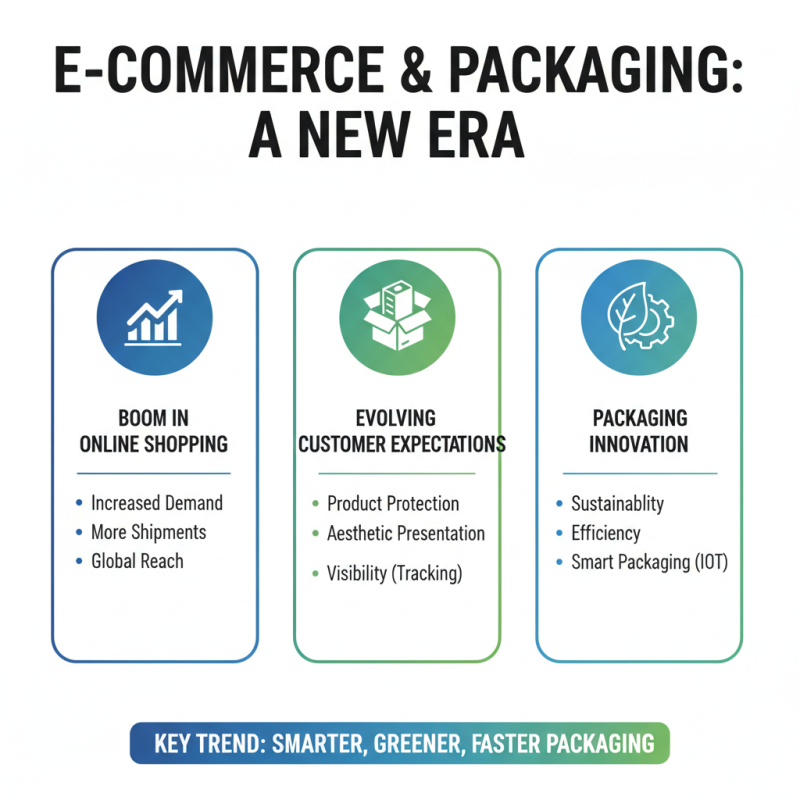
The e-commerce boom has radically transformed packaging demands. As online shopping surged, so did the need for smarter, more efficient packaging solutions. Customers want packages that protect their items while ensuring visibility and presentation. This means packaging materials must evolve for sustainability and functionality.

Investing in eco-friendly packaging is crucial. Consumers now prefer brands that prioritize the environment. Using biodegradable materials and minimalistic designs can attract eco-conscious buyers. Another trend is customized packaging. Tailoring packaging to fit specific products reduces waste and enhances customer experience.

Tip: Always assess the packaging materials. Consider how they affect the customer experience and environmental impact. Reflect on ways to improve your packaging strategy continuously. Explore different suppliers and innovations in materials to stay ahead. A proactive approach can make a significant difference in meeting consumer expectations in the competitive e-commerce landscape.

Advancements in Smart Packaging Technologies and Consumer Engagement

As smart packaging technology advances, consumer engagement is transformed. Eco-friendly materials and interactive designs are becoming standard. According to a recent report by Smithers Pira, the global smart packaging market is projected to reach $31 billion by 2025. This growth reflects consumers' demand for enhanced experiences and sustainability.

Packaging that communicates is essential. QR codes or NFC tags enable consumers to access information instantly. Reports show that 30% of consumers prefer packaging with interactive features. These innovations create deeper connections between brands and customers, fostering loyalty. However, some brands struggle to implement such technologies effectively.

Tips: Consider integrating user-friendly designs. Simple interfaces lead to better engagement. Ensure that environmental considerations align with technological advancements. Reflect on the balance between innovation and usability. Finding this intersection is key to success in the evolving packaging landscape.

2026 Top Packaging Parcel Trends for Global Buyers

This chart illustrates the trends in packaging and parcel solutions that are anticipated to gain traction among global buyers by 2026. Smart packaging technology leads the trends, reflecting a growing demand for innovation and consumer engagement in the packaging industry.

Key Materials Driving the Future of Parcel Packaging Sustainability

2026 Top Packaging Parcel Trends for Global Buyers?

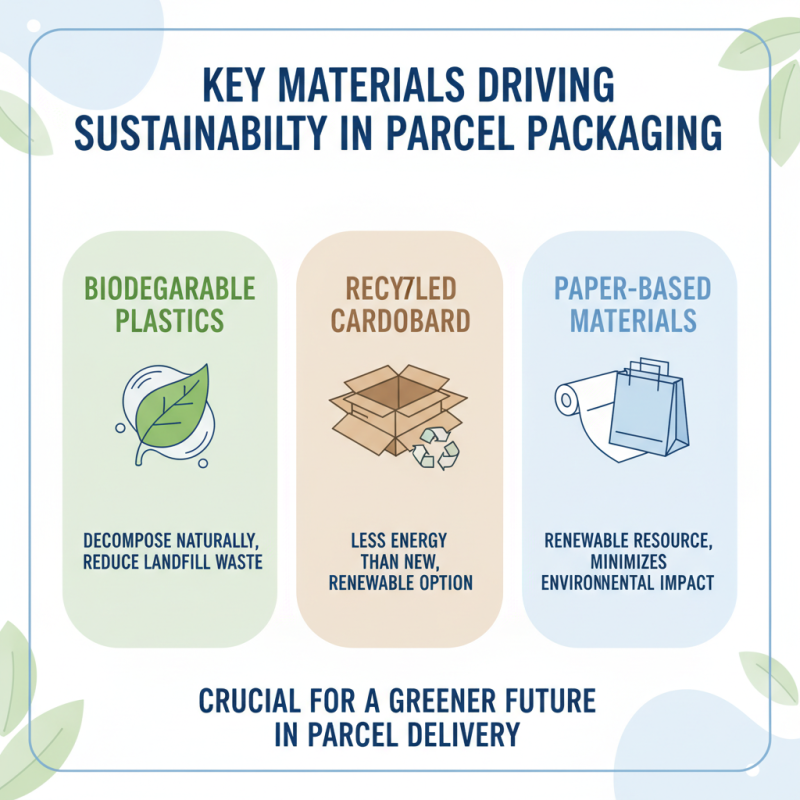
Sustainable packaging is crucial for the future of parcel delivery. Key materials play a significant role in this transition. Biodegradable plastics, for instance, are gaining traction. They decompose naturally, reducing waste in landfills. Paper-based materials also offer a renewable option. Recycled cardboard uses less energy than new products. Such choices help minimize the environmental impact.

In addition, innovations in biopolymers show promise. Derived from natural sources, they serve as a sustainable alternative. However, challenges remain. These materials often cost more than traditional options. Moreover, their availability can be inconsistent. Companies must balance sustainability with practicality. Testing different materials is essential to finding the right fit.

Consumer demand is pushing brands to rethink their practices. Many are seeking transparency in sourcing and production. This shift presents opportunities for improvement. Still, the process can feel overwhelming. An ongoing evaluation of materials and methods is necessary. It encourages reflection on what sustainable truly means in parcel packaging.

Global Market Insights: Packaging Industry Growth Projections for 2026

The packaging industry continues to evolve rapidly, with significant growth projected for 2026. A recent report from Smithers indicates the global packaging market is expected to reach approximately $1 trillion by 2026, reflecting a compound annual growth rate (CAGR) of over 3%. This growth is driven by increasing consumer demand for sustainable packaging solutions and advancements in technology. As eco-friendly practices become paramount, companies are investing heavily in biodegradable materials and innovative designs.

Furthermore, the rise of e-commerce has drastically changed packaging needs. According to a study by Mordor Intelligence, online shopping has led to a 20% increase in carton usage, as retailers seek efficient and protective packaging for shipments. The focus on minimizing waste and optimizing sizes adds complexity to design strategies. Brands must ensure they balance sustainability with functional effectiveness. Companies must also navigate regulatory challenges, which can vary widely across regions, complicating compliance. Monitoring these trends is crucial for staying competitive in an evolving market landscape.