
In the fast-paced world of e-commerce, selecting the right Apparel Shipping Bags is crucial. Renowned packaging expert Sarah Johnson once stated, “The right bag can enhance your brand and secure your products.” This emphasizes the need for thoughtful choices in shipping solutions.
The market offers a variety of apparel shipping bags, each designed for specific needs. Thankfully, many options are eco-friendly yet durable. It's essential to weigh the pros and cons of material choices. Not every bag fits every brand's image. A poorly chosen bag may damage the product or lead to customer dissatisfaction.
As we explore the top ten options for Apparel Shipping Bags, consider not only functionality but also aesthetics. The visual appeal of the bag can leave a lasting impression. Balancing cost-effectiveness with quality and presentation can be challenging. Yet, selecting the right shipping bags is a decision that can significantly impact your business.
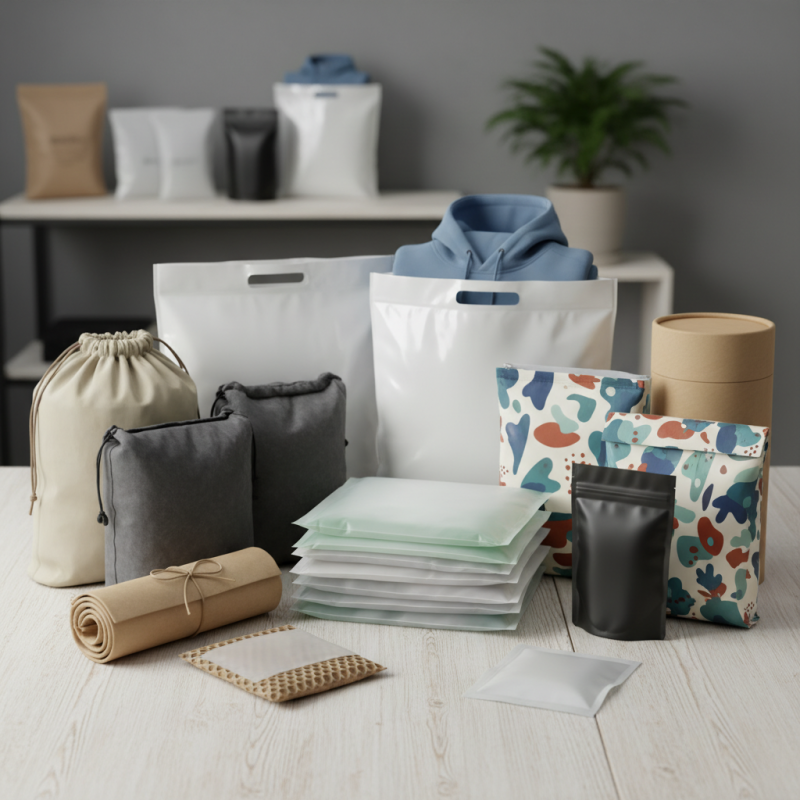
Apparel shipping bags play a crucial role in the retail industry. They are not just containers for products; they serve as a brand's first impression. When a customer receives an order, the packaging reflects the care and quality the brand aims to convey. A well-designed bag can capture attention and enhance the unboxing experience. However, many businesses overlook the importance of selecting the right shipping bags.
Choosing the right material is essential. A sturdy bag protects items during transit and reduces damages. However, some businesses might skimp on quality to save costs. This choice can backfire if customers receive damaged items. Eco-friendly options are gaining popularity but may come with higher costs. The balance between sustainability and affordability is a challenge many face.
Additionally, the visual appeal of shipping bags cannot be underestimated. A unique design can create a memorable experience. Yet, some businesses rely too heavily on standard options without creativity. It’s an area for improvement. Customization can also help build brand loyalty. Simple logos or brand colors make a statement. Reflecting on these points can lead to better choices and ultimately improve customer satisfaction.
| Bag Type | Material | Size (inches) | Weight Capacity (lbs) | Features |
|---|---|---|---|---|
| Poly Mailers | Polyethylene | 10 x 13 | 5 | Water-resistant, Lightweight |
| Kraft Paper Bags | Kraft Paper | 12 x 15 | 10 | Eco-friendly, Customizable |
| Bubble Mailers | Bubble Wrap + Poly | 9 x 12 | 3 | Padded, Protective |
| Reusable Shopping Bags | Non-woven fabric | 15 x 15 | 20 | Durable, Washable |
| Heavy-duty Trash Bags | HDPE | 40 x 48 | 30 | Tear-resistant, Large capacity |
| Polypropylene Bags | Polypropylene | 12 x 15 | 8 | Waterproof, Strong |
| Self-adhesive Bags | Clear Poly | 6 x 9 | 2 | Transparent, Easy sealing |
| Luxury Packaging Bags | Reinforced Paper | 14 x 18 | 12 | Elegant design, Sturdy |
| Zipper Lock Bags | Plastic | 10 x 10 | 5 | Reusable, Secure closure |
| Sustainable Bags | Biodegradable Material | 12 x 16 | 8 | Eco-friendly, Compostable |
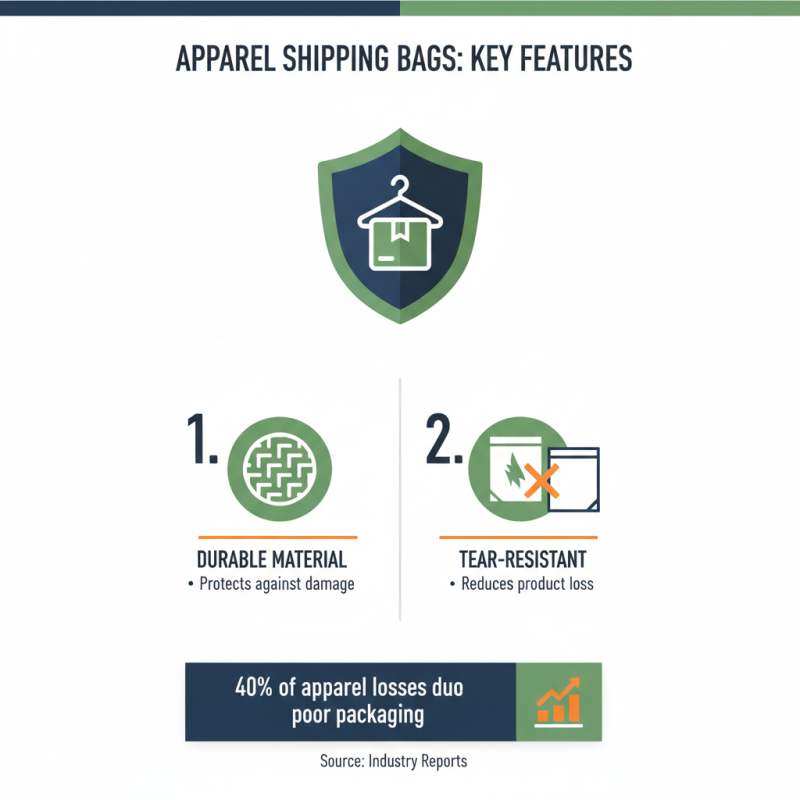
When selecting shipping bags for clothing, certain key features must be prioritized. A durable material is essential. According to recent industry reports, around 40% of apparel losses are due to inadequate packaging. This highlights the importance of choosing robust, tear-resistant materials that protect products during transit.
Consider the size and style of the bags. A too-large bag can lead to excess shipping costs. Research indicates that optimizing bag size can reduce shipping expenses by up to 25%. Customization is also crucial. Unique designs enhance brand recognition while providing a professional appearance.
**Tips:** Always evaluate the sealing method. Strong closures prevent items from falling out. A resealable option can encourage returns and promote sustainability. Think about eco-friendly materials as well. Consumers are increasingly interested in brands that support environmental practices. As highlighted in sustainability reports, around 70% of customers prefer eco-conscious options. Ensure that the bags align with your brand's values and consumer expectations.
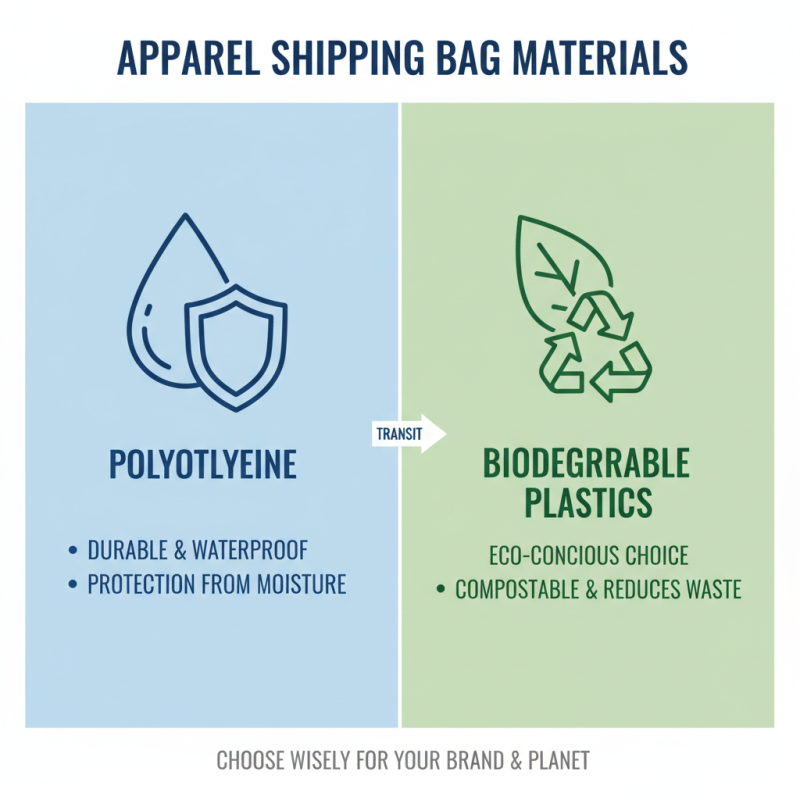
When it comes to apparel shipping bags, selecting the right materials is crucial. Many businesses prefer polyethylene due to its durability and waterproof qualities. It offers excellent protection against moisture, which is vital during transit. Another commonly used material is biodegradable plastics. These bags appeal to eco-conscious consumers and are often compostable. They can break down over time, reducing landfill waste.
Moreover, nylon shipping bags are lightweight yet strong. They can withstand rough handling and hold heavy items. Their flexibility allows them to be packed tightly, saving space. However, not all fabrics offer the same benefits. Cotton bags may seem like a sustainable choice, but they often lack the necessary strength for heavy shipments. It’s essential to assess your business's specific needs before making a decision.
While options abound, the right choice can be elusive. Many companies find themselves experimenting with various materials before settling on the best fit. This trial-and-error approach may lead to wasted resources. Consider customer preferences, shipping conditions, and environmental impact. Balancing these factors is key to finding the perfect shipping solution.
When selecting the best apparel shipping bags, businesses must consider various factors. According to a 2021 packaging industry report, 73% of customers prefer eco-friendly materials. This trend signifies the importance of sustainable options. Customers relate their purchasing choices to the environmental impact. If your shipping bags are not environmentally friendly, you could lose potential sales.
Durability is another key feature. A report from the International Journal of Packaging Research found that 60% of products get damaged during shipping due to inadequate packaging. Apparel shipping bags should withstand various environmental conditions while protecting the product inside. This minimizes returns and customer dissatisfaction. The right sealing methods can further enhance durability.
Visibility also matters. Research shows that well-designed bags can increase brand recognition by 25%. Appearances affect customer perceptions. A unique design catches the eye and invites interest. Yet, many businesses overlook this aspect. Emphasizing aesthetic value can impact customer loyalty and retention profoundly. Review these factors when choosing your shipping solutions to align with market demands and improve your business’s efficiency.
Customizing your apparel shipping bags is essential for effective branding. These bags are often the first touchpoint for customers. A unique design can make a memorable impression. Consider using bold colors and creative artwork to capture attention. Your brand's logo should stand out clearly. Simple is often powerful, but don’t forget to evoke emotion.
Textile choices matter too. Opt for materials that reflect your brand's values. Eco-friendly options appeal to a growing audience. People care about sustainability. Including small details, like distinctive patterns or texture, can streamline your identity. Padded shipping bags may reduce damage risks, but are they worth the added cost? Evaluate your shipping volume and choose wisely.
Consider practicality alongside creativity. The bag size should suit different products. Oversized bags look unprofessional. Conversely, too small bags may risk damage or returns. Seek feedback to ensure customer satisfaction. Your shipping bags should represent your brand's identity without compromising functionality. The right balance can elevate your business image significantly.
This bar chart illustrates the popularity of different types of apparel shipping bags based on a scale of 0 to 100. Companies selecting the most suitable shipping materials can enhance their branding and appeal to eco-conscious consumers.