10 Best Reusable Bags for Sustainable Shopping in 2026?
As environmental concerns grow, reusable bags have become vital for sustainable shopping. In 2026, these bags are more than a trend; they reflect a lifestyle change. More people now recognize the dangers of single-use plastics. Reusable bags offer convenience, and they also reduce waste.
When selecting reusable bags, quality matters. Not all reusable bags are created equal. Some are made from durable materials, while others may fray after several uses. A good bag should be easy to clean. Consider how it fits into your shopping routine. Does it fold nicely? Is it light yet strong?
However, not everyone uses reusable bags consistently. Some forget them at home or in the car. It’s a struggle many face. Finding a system to remember them can be challenging. Reflecting on these habits encourages better choices. The journey to sustainable shopping is ongoing, and every small action counts.
Top Features to Consider When Choosing Reusable Bags
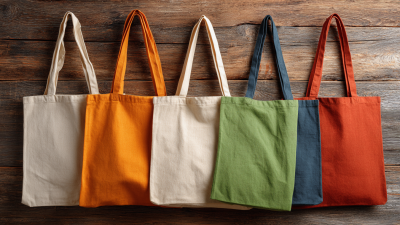
When choosing reusable bags for sustainable shopping, certain features are key. Look for durability. A strong bag can carry heavy groceries without ripping. Lightweight materials also matter; it makes the bag easy to carry. Consider size as well. A bag that's too small limits what you can bring home.
Some bags come with pockets. These enhance organization for smaller items. Think about the design too. Bright colors or patterns can make your bag easier to spot. Remember that washable materials keep your bag hygienic. They also extend the life of the bag.
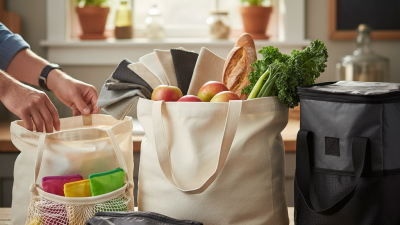
Reflect on your needs. A bag that's perfect for one person may not work for another. Some may prefer foldable bags for easy storage. Others might want insulated bags for perishable items. Ultimately, the right choice comes down to how you shop. Aim for a balance between functionality and aesthetics. Each choice contributes to a more sustainable lifestyle.
10 Best Reusable Bags for Sustainable Shopping in 2026
| Bag Type |
Material |
Capacity (liters) |
Weight (grams) |
Washable |
Eco-friendly Rating |
| Tote Bag |
Cotton |
20 |
150 |
Yes |
A+ |
| Shopping Bag |
Recycled PET |
25 |
120 |
Yes |
A |
| Foldable Bag |
Nylon |
15 |
90 |
Yes |
A |
| Insulated Bag |
Aluminum Foil |
30 |
250 |
Yes |
B+ |
| Mesh Bag |
Mesh Polyester |
10 |
80 |
Yes |
A+ |
| Beach Bag |
Canvas |
35 |
300 |
Yes |
B |
| Produce Bag |
Biodegradable Plastic |
5 |
20 |
No |
B+ |
| Backpack |
Recycled Material |
40 |
400 |
Yes |
A |
| Wine Bag |
Jute |
10 |
100 |
Yes |
A+ |
| Zippered Bag |
Polyester |
15 |
110 |
Yes |
B |
The Impact of Reusable Bags on Environmental Sustainability
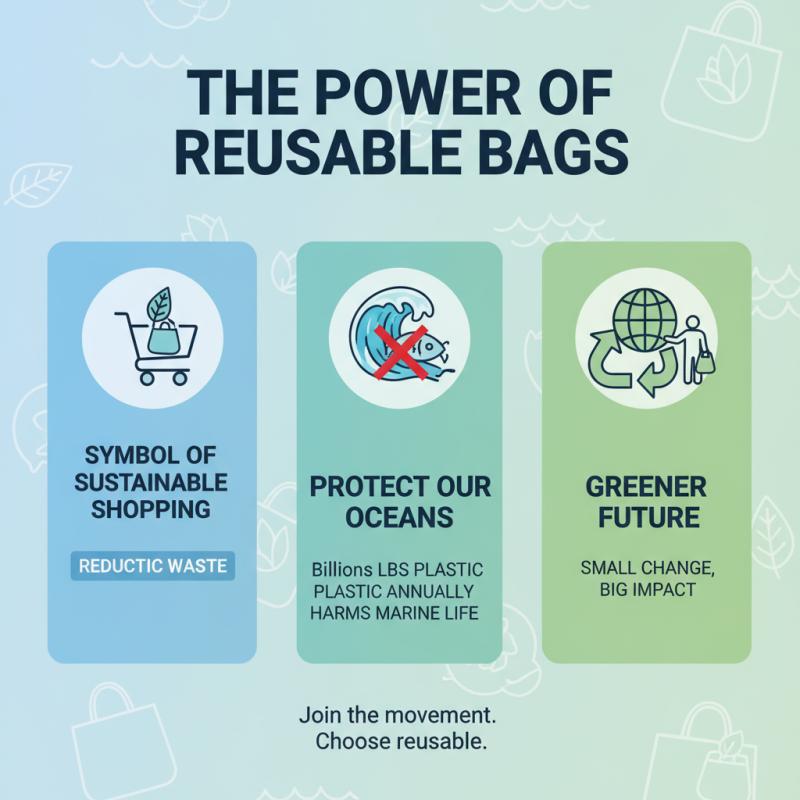
Reusable bags have become symbols of sustainable shopping. They help reduce plastic waste, which devastates ecosystems. Each year, millions of tons of plastic end up in oceans. This harms marine life and disrupts food chains. By opting for alternatives, consumers take a small yet impactful step toward a greener future.
However, the effectiveness of reusable bags is not absolute. Awareness of proper usage is crucial. Often, people forget to bring their bags, reverting to plastic ones. Additionally, some bags are not designed for long-term use. They wear out quickly, requiring replacement and negating sustainability efforts. Individuals must reflect on their habits and strive for consistency in using reusable options.
Educating the public about recycling and reusing materials is vital. Many do not realize that washing reusable bags is necessary. A clean bag prevents cross-contamination, which is essential for food safety. It's a reminder that sustainability involves conscious choices. In 2026, hopefully, we see a paradigm shift towards collective accountability in shopping practices.
Comparison of Material Types for Reusable Shopping Bags
When it comes to reusable shopping bags, material choice plays a crucial role. The most common options include cotton, polyester, and jute. Cotton is durable and washable. It can last for years, reducing waste. However, cotton production is resource-intensive and may not be the best choice for everyone. A careful analysis is needed.
Polyester bags are lightweight and often water-resistant. They can be easily folded and stored. The downside? They are derived from petroleum-based products. This brings environmental concerns. Jute, on the other hand, is biodegradable and made from natural fibers. It is strong and stylish but may lack the waterproof qualities of other materials.
Sustainability also depends on how we use these bags. Over time, even the best materials can wear out. It’s essential to consider the entire lifecycle of a bag. Frequent users might find that certain materials hold up better than others. Sometimes, a balance between practicality and sustainability can be difficult to maintain. Taking time to reflect on your bag choice can lead to more mindful shopping habits.
Comparison of Material Types for Reusable Shopping Bags
Best Practices for Cleaning and Maintaining Reusable Bags
Cleaning and maintaining reusable bags is crucial for sustainable shopping. According to a recent study, only 30% of consumers regularly clean their reusable bags. This negligence can lead to bacteria buildup, compromising food safety. It's essential to understand that these bags can harbor harmful pathogens if not maintained properly.
To ensure longevity and hygiene, wash your reusable bags after each use. Use hot water and mild soap for best results. For bags made from fabric, machine washing is effective. A recent report highlighted that washing bags can reduce bacteria by over 99%. However, many skip this step due to convenience or lack of awareness. It’s concerning that a significant percentage of shoppers treat these bags like any other household item.
Inspect your bags regularly for wear and tears. Discard damaged bags promptly to prevent cross-contamination. Many people overlook small rips or stains, believing they’re inconsequential. Yet, this can lead to larger hygiene issues. Remember, maintaining reusable bags isn’t just about eco-friendliness; it’s also about ensuring your health and that of your family.
Innovative Designs in Reusable Bags for 2026 Shopping Trends
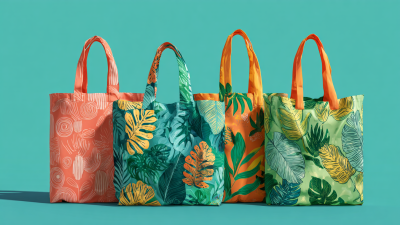
As we approach 2026, the trends in reusable bags are evolving. The focus now is on innovative designs that enhance functionality and style. Bright colors and bold patterns will make shopping bags visually appealing. Sustainability isn’t just about materials anymore; it's also about aesthetic pleasure. Unique shapes and multifunctional designs increase their appeal and usability.
Consider opting for bags that feature built-in compartments. These can make organizing your groceries easier. Small pockets for items like produce or delicate snacks prevent squishing. Some bags even come with detachable sections for added convenience. Choosing bags made from recycled materials can also minimize waste. Look for options that are machine washable for easy maintenance.
Tips: When shopping, bring a range of bag sizes. A large bag won't fit everything. Think about using smaller ones for specific items. This helps keep your items secure and in good condition. Embrace the idea that not all bags will be perfect. Sometimes they tear or fade. Reflect on how we can still use them creatively in our daily lives.