China Top 10 Beige Bag Manufacturers and Suppliers
Beige Bags remain popular across fashion, retail, gifting, and everyday carry because their neutral tone pairs easily with different styles. China’s manufacturing base offers many options, from lightweight canvas totes to structured handbags and custom promotional bags. Subtle color. Wide range.
This guide introduces ten China-based manufacturers and suppliers for buyers comparing product quality, customization, and production capabilities. It highlights practical details to investigate, including fabric choices, stitching, hardware, minimum order quantities, sample services, and estimated lead times. A beige swatch under showroom lighting may look different in daylight, so request physical samples before approving bulk production. Small details matter.
Supplier descriptions can help narrow a shortlist, but they cannot replace direct verification. Company information, product ranges, and order terms may change over time. Ask for current specifications, clear quotations, and recent product photos; where possible, review samples and confirm production details in writing. Some buyers may prioritize low minimums, while others need consistent color matching across larger orders. There is no single best fit.
The following overview is designed to support a more informed supplier search, not to guarantee performance. Compare each company against your product requirements, budget, and expected quality controls. A little extra checking can prevent costly surprises. Still, sourcing decisions involve trade-offs, and this guide may not capture every concern that matters to your business.
Understanding Beige Bags and China’s Bag Manufacturing Industry
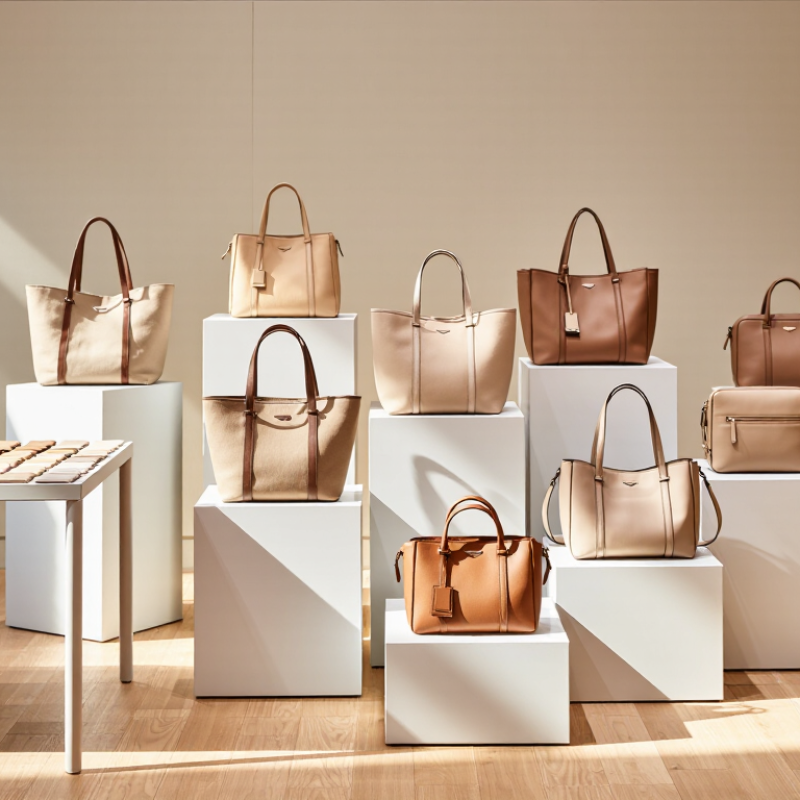
Beige bags include warm sand, stone, taupe, and pale cream shades.
The color looks simple, but small changes in dye, coating, or lighting can alter a finished batch. A swatch under factory lights may look different beside a shop window.
Small shifts matter.
Grand View Research estimated the global handbag market at USD 57.55 billion in 2023 and projected continued growth through 2030. This broad market estimate does not measure beige bags specifically, but it signals sustained demand for bags across styles and materials.
China’s bag manufacturing industry serves buyers through varied production models, from cut-and-sew workshops to larger factories handling sampling, finishing, and packing. UN Comtrade groups many handbags and travel goods under HS 4202, a category that does not separate products by color. Trade figures therefore cannot show beige-bag output on their own.
Buyers should check material specifications, color tolerances, stitching, and hardware against a physical sample.
Requesting a lab dip and a sample from the actual production material can reduce surprises. A sample can still mislead. Beige can show dirt and uneven color more readily than darker shades, and this deserves attention during inspection.
How to Evaluate Beige Bag Manufacturers and Suppliers
When evaluating beige bag manufacturers and suppliers in China, request a physical sample before comparing quotations. Beige can shift noticeably between daylight and warm indoor lighting. Check the sample beside a white sheet and under both conditions. Ask whether the supplier can match an approved color reference across repeat orders. A digital image is not enough. Inspect stitching, edge paint, lining, zippers, and handle attachment; these details often reveal more than a polished product photo. Request material specifications and written quality criteria, then confirm which checks happen before shipment.
Ask for a clear production timeline, minimum order quantity, sample fees, and a named contact for resolving defects. Review recent, relevant production examples, but do not treat photographs as proof of consistent quality. If possible, arrange an independent factory assessment or inspect a pre-shipment sample. Keep records of approved colors, dimensions, and packaging. Small details matter. A supplier may promise fast revisions, yet the schedule can change when materials are unavailable. That deserves a direct question, not an assumption. No checklist removes every risk; even a careful evaluation can miss a flaw that appears only after repeated use.
China Beige Bag Manufacturers and Suppliers: Evaluation Criteria
Suggested procurement scorecard weights (%) for comparing suppliers. These are evaluation priorities, not measured results or ratings of specific companies.
Prioritize product quality and compliance, then assess customization capabilities. Verify supplier claims through samples, documentation, audits, and clearly defined production terms.
Profiles of China’s Top 10 Beige Bag Manufacturers and Suppliers
Profiles of China’s Top 10 Beige Bag Manufacturers and Suppliers
A useful profile of ten Chinese beige bag suppliers should compare production evidence, not polished catalogues alone. Ask whether each factory makes handbags, totes, or travel bags in-house, and request recent samples. Check the lining, zipper alignment, handle stitching, and edge paint. On pale beige surfaces, uneven dye lots and glue marks show quickly. Small details matter.
Material claims deserve equal scrutiny. Textile Exchange’s Materials Market Report 2024 estimates global fiber production reached 124 million tonnes in 2023, with polyester accounting for 57%. That scale makes clear material specifications important: ask suppliers to identify fabric composition and provide test documents where relevant. Compare sample color under daylight and indoor lighting. Then confirm tolerances for bulk production, inspection procedures, minimum order quantities, and lead times in writing. These checks do not guarantee a perfect order. I would still recheck color approval before cutting; it is easy to overlook, and costly to correct. A balanced profile should note strengths and unanswered questions, rather than treating every supplier claim as verified fact.
Comparing Materials, Customization, Capacity, and Product Range
A beige bag can look simple, but its material affects its weight, texture, and service life. Canvas has a visible weave and suits everyday totes, while cotton blends can feel softer and lighter. Recycled fabrics may offer another option, but ask suppliers for material specifications and sample swatches. Beige varies under warm and cool lighting. Check samples in daylight before approving a color.
Customization covers more than shade. Suppliers may offer different handles, linings, pockets, closures, labels, and printing methods. Ask for a physical sample showing the stitching, handle attachment, and inside finish. These details are easy to miss in a digital mockup. Capacity also needs careful checking. Request typical monthly output, minimum order quantities, sample lead times, and production timelines for your exact design. Figures can change with material availability, so written estimates are more useful than broad claims.
Product range can include shoppers, drawstring bags, cosmetic pouches, and structured handbags. A wider range may simplify sourcing, though it does not automatically mean consistent quality across styles. Compare construction and specifications for each item separately. The comparison can feel less neat than a spreadsheet suggests. A small trial order can reveal uneven seams or color differences before larger production begins.
Sourcing, Quality Control, and Export Considerations
When comparing beige bag manufacturers and suppliers, look beyond the sample’s shape and price. A useful shortlist should reflect material options, production capacity, communication, and experience with similar orders. Request fabric swatches and compare them under daylight and indoor lighting; beige can shift noticeably between batches. Small details matter. Check seam alignment, handle attachment, zipper movement, and lining cleanliness on a sample. Ask how the supplier records color and dimensions before bulk production. A polished sample is not proof of consistent output, though it is easy to assume otherwise.
Agree on written specifications, including measurements, material thickness, acceptable color variation, and packaging. Before shipment, inspect a representative portion of the order and document defects with clear photos and measurements. A third-party inspection can help when distance makes on-site checks impractical. For export planning, confirm carton size, gross weight, shipping marks, lead time, and the required commercial documents with the supplier and freight forwarder. Keep a signed sample or approved swatch for reference. One practical concern: inspection adds time and cost, and skipping it may seem tempting when schedules tighten. But unclear acceptance criteria can create disputes after the bags have shipped.