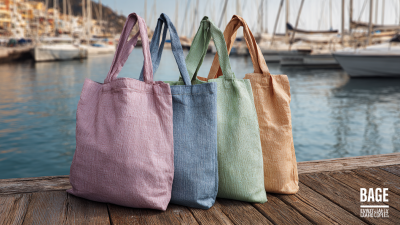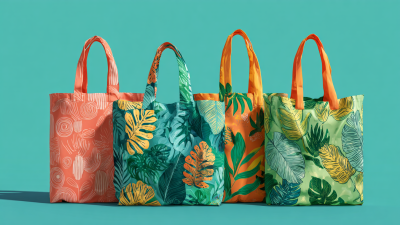

When it comes to making eco-friendly choices, selecting the right reusable bags is a crucial step in reducing our environmental footprint. Reusable bags not only help minimize plastic waste but also offer durability and versatility for various shopping needs. As consumers become increasingly aware of the impact of single-use plastics, the demand for reusable bags continues to grow, prompting shoppers to consider their options carefully.
In this guide, we will explore essential factors to consider when choosing reusable bags that best suit your lifestyle and shopping habits. From material types and sizes to design features and sustainability ratings, understanding these aspects will ensure you select the most functional and environmentally friendly options available. By investing in the right reusable bags, you not only contribute to a healthier planet but also enhance your shopping experience with practical and stylish alternatives to traditional plastic bags.
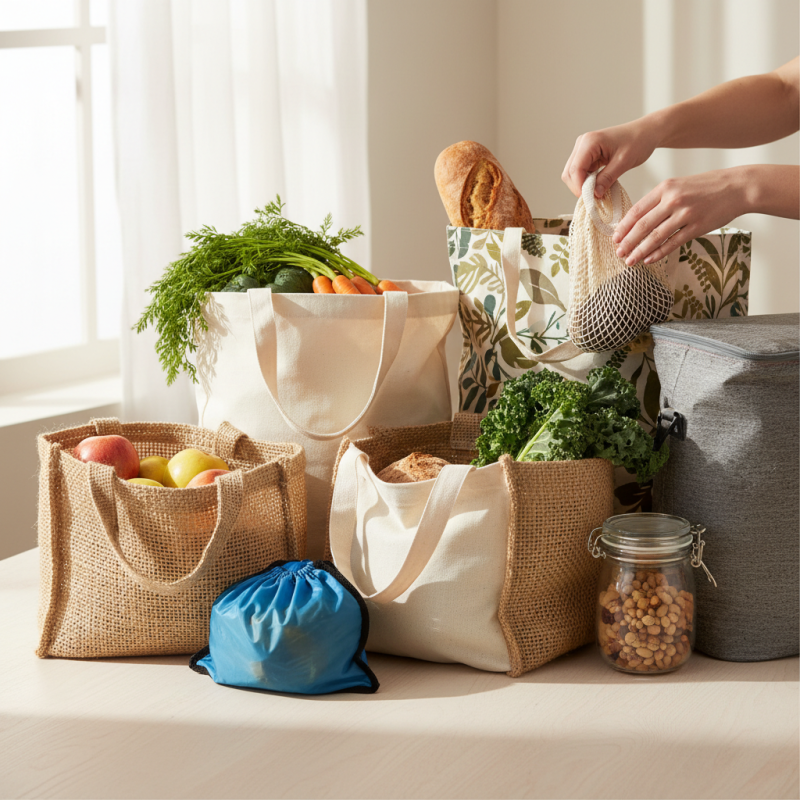
When selecting reusable bags for shopping, it's essential to understand the various materials and features available. Reusable bags are typically made from fabric, plastic, or biodegradable materials, each offering distinct advantages. Cotton and canvas bags are popular choices due to their durability and eco-friendliness, while recycled plastic bags provide a lightweight option that's often more affordable. Additionally, some biodegradable options are designed to break down over time, reducing environmental impact.
Features also play a crucial role in the functionality of reusable bags. Consider options with reinforced handles for heavy loads or those with insulated linings for transporting temperature-sensitive items. Zippered or foldable bags are convenient for easy storage and transport. Furthermore, look for bags with pockets or compartments to keep smaller items organized.
By evaluating both the materials and features, shoppers can choose reusable bags that meet their specific needs while making an environmentally responsible choice.
When selecting reusable bags for shopping, evaluating size and capacity is crucial. According to a report by the Environmental Protection Agency (EPA), the average American household uses approximately 1,500 plastic bags annually, contributing significantly to environmental waste. Therefore, choosing the right reusable bag can help reduce this number. Ideally, a bag should be large enough to hold a week’s worth of groceries while remaining easy to carry. Standard reusable tote bags typically range from 15 to 20 inches in size, providing ample space without being overly cumbersome.
**Tips:** When assessing the capacity of a reusable bag, consider your shopping habits. If you often buy bulk items, opt for larger bags (25 lbs capacity or more). For smaller, daily runs to the market, a medium-sized bag (15-20 lbs capacity) is sufficient. Always check the bag's weight limit, as some bags designed for light use may not hold heavier items securely.
In addition to size, the material of the reusable bag influences its capacity and durability. For instance, bags made from recycled polypropylene can typically carry more weight than those made from cotton or jute. According to a study by the American Recyclable Plastics Institute, 60% of consumers are unaware of the weight limits of their reusable bags, highlighting the importance of product education when making purchasing decisions.
When investing in reusable bags, one of the most critical factors to consider is their durability and lifespan. High-quality materials such as reinforced nylon, polyester, or cotton tend to withstand regular use much better than cheaper alternatives. For instance, a sturdy canvas bag can often last for years, maintaining its shape and structural integrity even after countless trips to the grocery store. Additionally, check for features like sturdy seams and reinforced handles, as these can greatly affect the bag's longevity.
Another important aspect is how the bags are cared for and maintained. Many reusable bags can be machine washed, which helps keep them clean and extends their lifespan. It's also essential to avoid overloading them; exceeding their weight capacity can lead to wear and tear. Regularly inspecting the bags for signs of damage, such as frayed edges or weak seams, can help you catch any potential issues early, ensuring that your reusable bags remain reliable for your shopping needs for years to come.
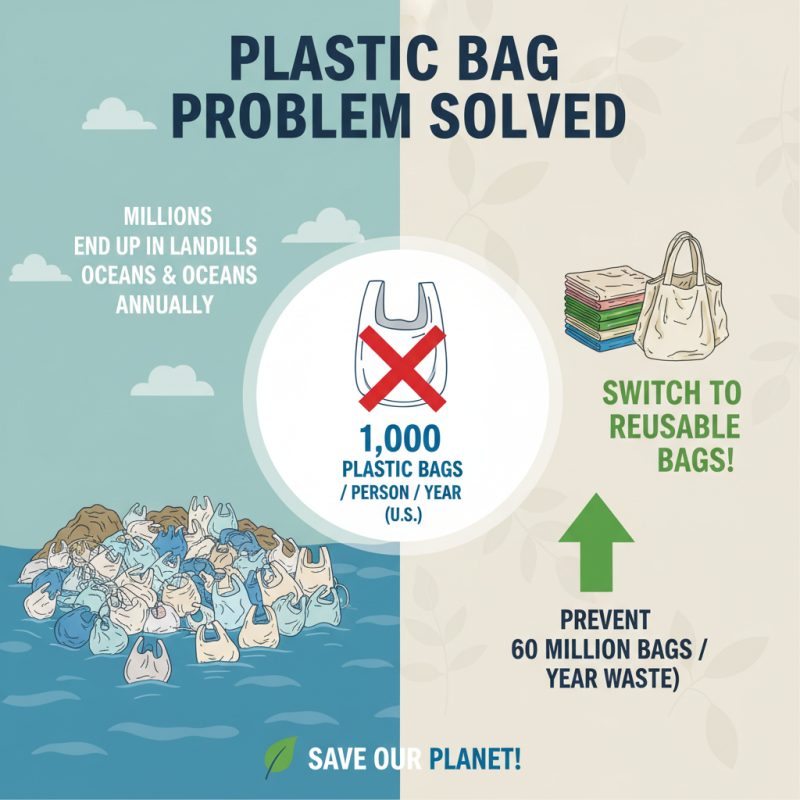
The environmental impact of plastic bags is staggering, with millions ending up in landfills and oceans each year. According to a report by the Environmental Protection Agency (EPA), approximately 1,000 plastic bags are used per person each year in the United States alone. In contrast, switching to reusable bags can significantly reduce this waste. A study from the University of California estimates that if every American switched to reusable bags, we could prevent around 60 million plastic bags from ending up in waste systems annually.
When selecting reusable bags, consider the material and durability. Bags made from sturdy fabrics like canvas or recycled plastic not only last longer but also minimize the need for replacements. Tips for effective bag usage include keeping them in a designated place in your car or home so you remember to take them when shopping, and regularly cleaning them to maintain hygiene.
Moreover, be aware of the size and capacity of the bags you choose. Opt for larger bags for grocery shopping, as they can help consolidate items and reduce the number of bags needed. By making conscious choices about reusable bags, you contribute to a significant reduction in plastic waste, demonstrating that small changes in daily habits can lead to substantial environmental benefits.
When considering the cost-effectiveness of reusable bags, it's essential to analyze the long-term savings that can be achieved through their use. Data from a recent industry report by the Environmental Protection Agency indicates that an average single-use plastic bag costs retailers about $0.05 to $0.15 each. In contrast, a high-quality reusable bag can be purchased for around $1 to $3. While the initial investment in reusable bags may seem higher, the average consumer uses reusable bags numerous times, transforming their spending into a long-term savings strategy.
Over time, if a consumer switches from using single-use plastic bags to carrying reusable bags, the savings can be substantial. For instance, if a shopper typically uses 300 plastic bags annually, the cost could range from $15 to $45. By investing in just a few durable reusable bags that last for years, the consumer not only saves money but also contributes to a significant reduction in plastic waste—an important factor considering that the production of plastic bags generates about 3.24 million tons of greenhouse gases annually, according to a report by the World Economic Forum. Thus, adopting reusable bags not only proves to be cost-effective in the long run but also aligns with environmentally sustainable practices.