How to Choose the Best Apparel Shipping Bags for Your Business?
In the competitive world of fashion, selecting the right apparel shipping bags is crucial. Statistics from industry reports indicate that 60% of customers factor packaging into their purchasing decisions. Quality apparel shipping bags not only protect products but also enhance branding. According to expert Jane Smith, "The right packaging speaks volumes about your brand."
The textile shipping industry has seen rapid growth, expected to reach $30 billion by 2025. However, not all businesses pay attention to these details. Many brands overlook the importance of eco-friendly materials. As customers become more conscious of sustainability, businesses need to adapt. Choosing the wrong bags can lead to increased returns and dissatisfied customers.
Ultimately, your choice of apparel shipping bags should reflect your brand values. Addressing customer expectations is fundamental. Emphasizing quality and sustainability can set your brand apart. The challenge lies in balancing cost-effectiveness with quality. Thoughtful choices lead to greater customer loyalty and can improve profit margins.

Factors to Consider When Selecting Apparel Shipping Bags
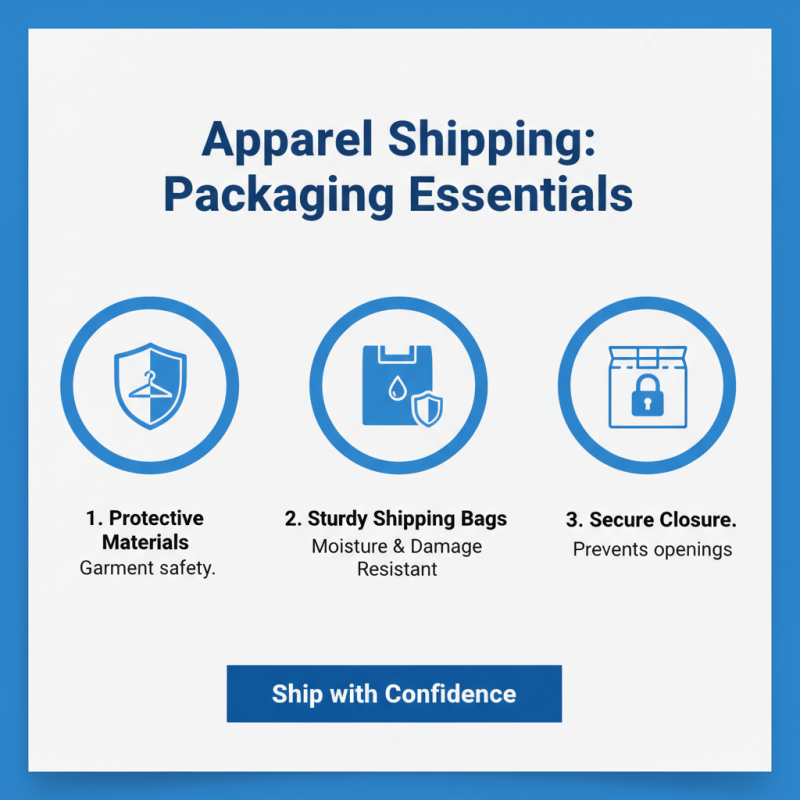
Choosing the right apparel shipping bags is crucial for any business. Quality and strength are key factors to consider. Look for bags that can withstand the rigors of transportation. A durable bag protects your products from damage. A flimsy option may save money, but can lead to costly returns.
Consider the size and style of the bags. They should fit your items snugly, not leaving excessive space. Bags that are too large may result in extra shipping costs. Custom sizes may be an option, but they require more investment. Think about whether your branding should be visible. A plain design can save on costs but may lack personality.
Environmental impact is another aspect to think about. Sustainable materials are becoming popular. Many consumers value eco-friendly options. However, they may come at a higher price. Balancing cost with sustainability can be challenging but rewarding. Reflect on your brand's identity and how your shipping method reflects it. Effective shipping bags can enhance customer experience, but choosing poorly can leave a negative impression.
Factors to Consider When Selecting Apparel Shipping Bags
Types of Apparel Shipping Bags Available in the Market
When selecting apparel shipping bags, understanding the types available is crucial. Different bags serve various purposes and can impact your brand's image. Poly mailers are a popular choice due to their durability and lightweight design. According to a recent market report, the global poly mailer market is projected to reach $2.5 billion by 2025, indicating strong demand and growth.
Another option is plastic shipping bags, which offer excellent moisture protection. These bags come in various sizes, catering to different clothing items. A study by the Packaging Association suggests that nearly 70% of apparel brands prefer plastic shipping bags due to their cost-effectiveness. However, sustainability is a growing concern. Brands must reflect on their environmental impact and consider recyclable options.
Moreover, biodegradable bags are gaining attention. They break down more easily in landfills, appealing to eco-conscious consumers. Analysts expect this market segment to grow by 20% annually. Yet, some businesses hesitate to invest because of higher costs. This presents a dilemma: balancing cost with sustainability. Choosing the right type of shipping bag can enhance your customer experience and influence your brand’s reputation.
Environmental Impact of Different Shipping Bag Materials
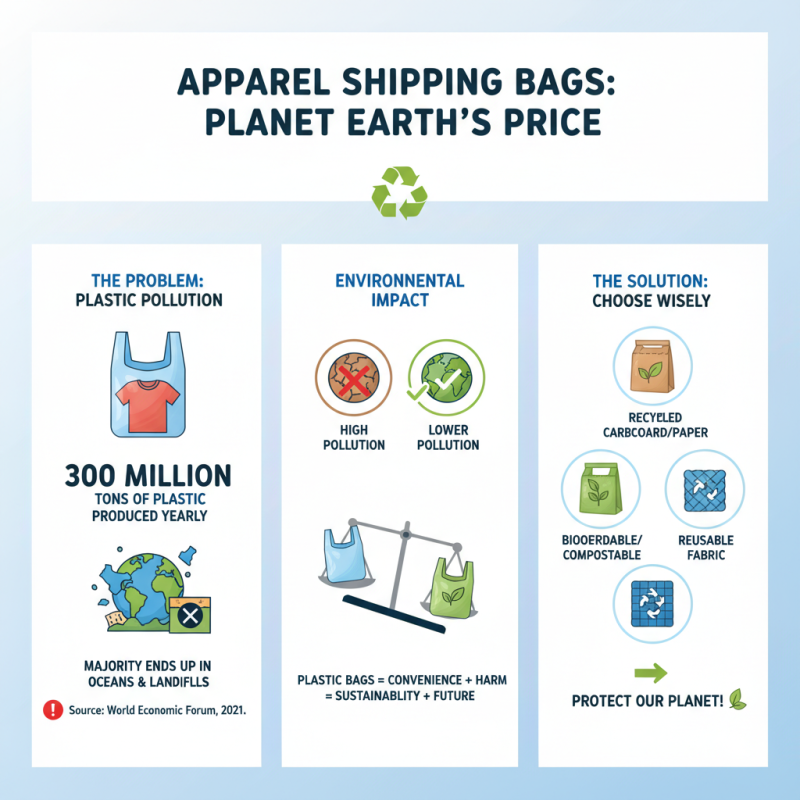
When selecting shipping bags for apparel, their environmental impact is crucial. Different materials have varied effects on our planet. For instance, plastic bags are often convenient, but they contribute significantly to pollution. According to a 2021 report by the World Economic Forum, an estimated 300 million tons of plastic are produced each year, with a large portion ending up in oceans and landfills.
On the other hand, biodegradable options are becoming more popular. Materials like plant-based plastics decompose more quickly, reducing waste. Research indicates that biodegradable bags can break down in approximately 90 days under the right conditions. However, some of these products may still require specific disposal methods to ensure they decompose properly, which can confuse consumers.
Tip: Consider using recycled materials in your apparel shipping bags. Recycled paper or environmentally friendly plastics can reduce your business's carbon footprint.
As businesses become more eco-conscious, understanding the effects of packaging materials is vital. It's easy to overlook the long-term implications of our choices. Before deciding, evaluate each option's sustainability thoroughly. You want to ensure your brand aligns with your values while also being responsible.
Cost Analysis of Various Apparel Shipping Bag Options
When selecting apparel shipping bags, cost analysis is crucial. Different materials impact pricing. Polyethylene bags often start at $0.05 per unit, while reusable bags can exceed $0.30. This cost difference can accumulate quickly, especially for large orders. A recent industry report indicates that businesses can save up to 20% by bulk purchasing standardized bags.
Consider your brand’s image. For eco-friendly options, biodegradable bags can be more expensive, averaging around $0.40 each. Still, they attract environmentally conscious consumers. Balancing cost with customer expectations can be tricky. Some businesses report mixed results when switching to sustainable materials due to initial higher costs.
Tip: Conduct a break-even analysis to determine how different shipping bags impact overall expenses. Take note of shipping weight, as a lightweight bag can reduce overall costs. Also, invest time in sourcing samples. It helps assess quality versus price effectively. Testing alternatives like paper versus plastic bags can reveal surprising insights into long-term savings and customer satisfaction.