How to Choose the Best Reusable Bags for Your Needs?
Choosing the right reusable bags can be challenging. Different materials and sizes serve various purposes. As sustainability expert Dr. Jane Green notes, "The right bag can make or break your commitment to the environment."
When selecting reusable bags, consider your typical shopping habits. A sturdy bag for groceries differs from a lightweight one for snacks. Convenience is key, but effectiveness matters too. Are they easy to clean? Will they last through multiple uses?
Reflecting on your choices is crucial. Are you truly using the most suitable design? Some bags may struggle with heavy items. A less durable bag might not be worth your investment. Explore options that align with your lifestyle and values surrounding reusable bags.
Understanding Different Types of Reusable Bags Available
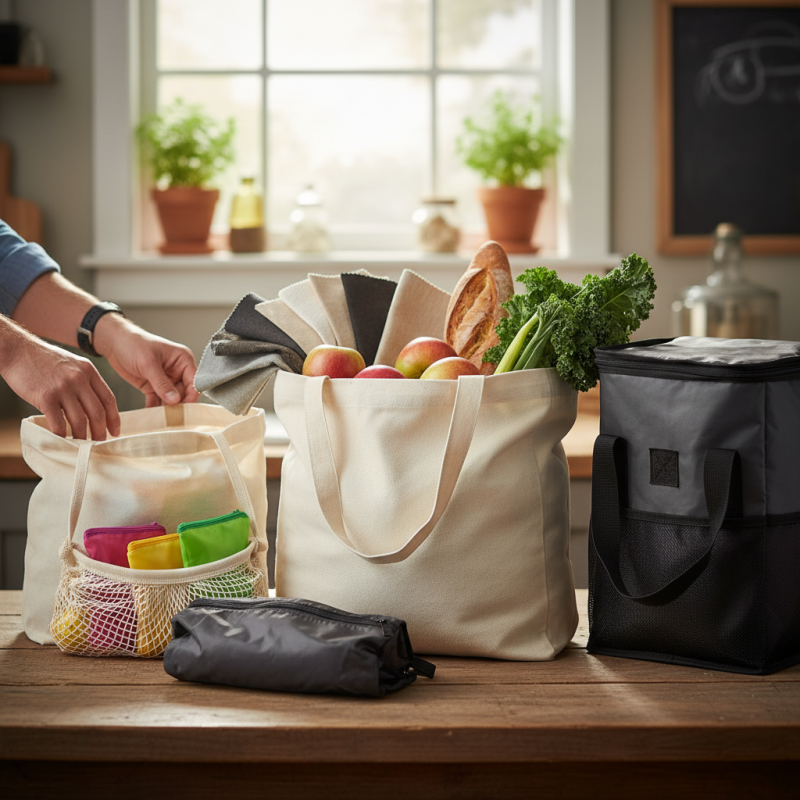
When selecting reusable bags, it's essential to understand the wide variety available. Some bags are designed specifically for grocery shopping. These typically feature sturdy handles and a thicker material to hold heavy items. Others, like tote bags, are more versatile. They can be used for shopping, work, or even beach outings. Each type serves a distinct purpose and comes in different sizes.
Consider eco-friendly options made from recycled materials. These bags contribute to sustainability efforts. Lightweight and foldable bags are great for on-the-go. They easily fit into your purse or backpack, ready for unexpected shopping trips. However, it’s important to reflect on your actual needs. A trendy bag may look good, but if it's not functional, it will just gather dust. Identify what you need the most before making a choice.
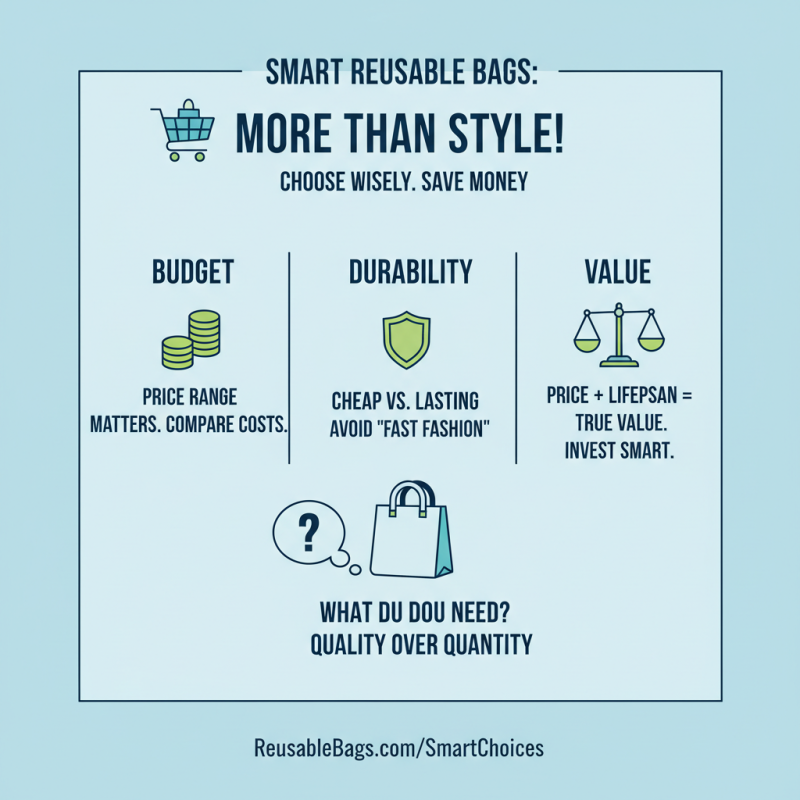
Durability is crucial, yet some bags wear out faster than expected. A bag that seemed robust can tear after a few uses. Look for reinforced stitching and sturdy fabrics. A bag that meets your needs will save you money long-term. The right choice isn’t just about aesthetics. It’s about practical functionality in your daily life.
Evaluating Material Choices for Durability and Environmental Impact
When evaluating material choices for reusable bags, durability and environmental impact are crucial. Different materials impact both longevity and ecological footprint. For example, cotton bags, while sturdy, consume significant water during production. A report from the Water Footprint Network suggests that producing just one cotton tote can use up to 7,000 liters of water. This puts into question the sustainability of cotton, despite its reusability.
On the other hand, recycled materials, like rPET, can reduce plastic waste significantly. Studies show that using rPET for bags can lower energy consumption by 30% compared to virgin plastic production. However, some may overlook the fact that these recycled materials can still be less durable than alternatives, leading to a quicker need for replacement.
Additionally, non-woven polypropylene bags are popular due to their lightweight and strong nature. Yet, they are derived from fossil fuels, raising concerns about their overall environmental impact. It’s evident that no single material offers a perfect solution, and choices often depend on personal values. Understanding these trade-offs can guide you towards making a more informed choice for your reusable bag needs.
Assessing Size and Capacity Based on Your Typical Use Cases
When choosing reusable bags, size and capacity matter greatly. Think about your typical use cases. Do you shop for groceries weekly? Or do you prefer occasional trips to the farmers' market? Each scenario demands different bag sizes. For grocery trips, larger bags are handy. They can hold more items. Look for bags that can easily fit into your cart.
Consider the weight you typically carry. Some bags can hold heavy items like bottles. Others are more suited for lighter goods. Finding the right balance is crucial. A bag that is too small might lead to broken items. A bag that is too large could be cumbersome. This creates a dilemma. You might end up underestimating your needs.
**Tip:** Always keep a variety of bags on hand. This flexibility allows you to adapt to different shopping situations effortlessly.
Reflect on your routines. If you constantly overpack bags, it’s time to reassess your choice. Maybe you need to mix smaller and larger bags for versatility. An unexpected spill could ruin your experience. Choose wisely and think about your lifestyle.
How to Choose the Best Reusable Bags for Your Needs?
| Size |
Capacity (Liters) |
Ideal Use Case |
Material Type |
| Small |
5-10 |
Groceries for One |
Cotton |
| Medium |
10-20 |
Weekly Grocery Shopping |
Polyester |
| Large |
20-30 |
Family Shopping or Bulk Items |
Nylon |
| Extra Large |
30+ |
Outdoor Events, Picnics |
Canvas |
Considering Design Features for Convenience and Functionality
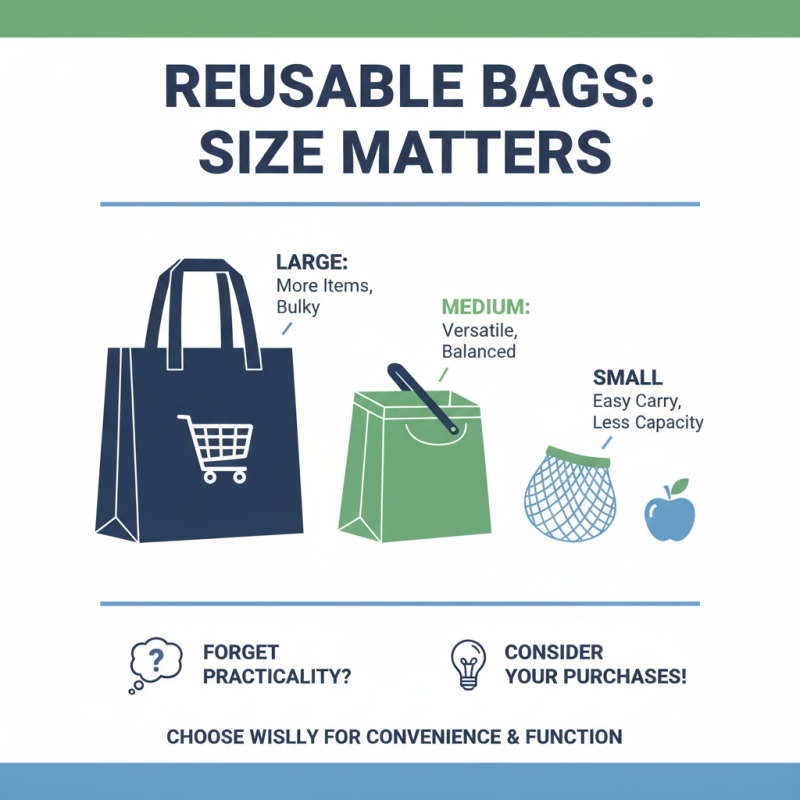
When choosing reusable bags, design features play a crucial role in their convenience and functionality. The size of the bag is important. A larger bag holds more items, but can be bulky. Smaller bags are easier to carry, yet may not fit all your groceries. Sometimes, people forget to think practically about size. It's wise to consider your usual purchases when selecting a bag.
Another key feature is the bag's handles. Adjustable handles make carrying more comfortable. Look for padded grips if you'll be carrying heavy items. Some bags may have short handles that can be difficult to hold. A long strap balances the weight better. Check if the material is sturdy and easy to clean. Bags made from durable materials can withstand heavy use, yet many overlook this factor.
Consider additional features like pockets or zippers. These can keep smaller items organized and secure. Zippered bags offer extra protection but can make access tricky. Reflect on your daily needs when selecting these features. Your ideal bag should lead to easier shopping trips, not more complications. Always reevaluate your choices to ensure they suit your lifestyle.