How to Choose the Best Reusable Bags for Your Needs?
Choosing the right reusable bags can be overwhelming. With so many options available, it’s vital to understand what fits your lifestyle best. According to Amy Roberts, a sustainability expert, "The right reusable bags can change the way we shop and reduce waste."
Reusable bags come in various designs and materials. Some are perfect for groceries, while others suit daily errands. Consider your typical shopping habits. Are you a frequent grocery shopper or someone needing an on-the-go bag?
Not all reusable bags are created equal. Some may look appealing but lack durability. It’s important to reflect on your choices. A bag that tears easily may lead to more waste. Weigh the pros and cons. The perfect reusable bags should be functional and environmentally friendly. Finding that balance might take some time, but it’s worthwhile.
Understanding Different Types of Reusable Bags Available in the Market
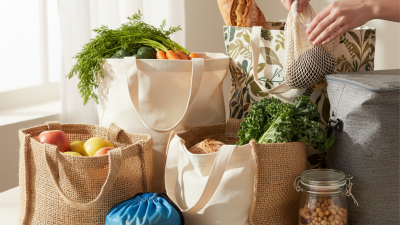
When choosing reusable bags, knowing the types available can be quite helpful. Cotton bags are popular due to their durability and eco-friendliness. They can hold a good amount of weight, making them suitable for groceries or daily errands. Some people, however, find them too bulky for casual use.
Another option is the foldable nylon bag. These are lightweight and can easily fit in your pocket. They are perfect for unexpected shopping trips. Yet, they may not stand up to heavy loads as well as cotton bags. Consider the purpose before you buy.
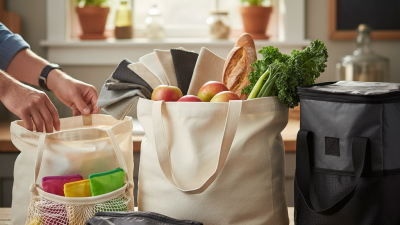
This brings us to insulated bags, which are great for keeping items cold. These bags work well for transporting groceries and meal prep. However, they can be more challenging to clean. Each type of reusable bag has its pros and cons. Think about your needs and lifestyle before making a choice.
Evaluating Material Options for Durability and Sustainability
When choosing reusable bags, material plays a key role in durability and sustainability. Cotton is a popular option. It's strong and breathable. However, cotton requires a lot of water to produce. This raises concerns about its ecological impact. Consider organic cotton as an alternative. It's more sustainable, but it can be pricier.
Another promising material is recycled polyester. This fabric is often made from plastic bottles, giving new life to waste. It's durable and lightweight, making it easy to carry. Yet, the environmental cost of production should not be ignored. This material may shed microplastics, adding to ocean pollution. Carefully weigh its benefits and drawbacks.
Non-woven polypropylene is another choice. It's sturdy and often cheaper than cotton or recycled polyester. However, it is not biodegradable. This can lead to long-term waste issues. Reflect on how bag choices align with personal values. Each material has its pros and cons; consider all factors before making a decision.
Assessing Size and Capacity Based on Your Shopping Needs
When choosing reusable bags, size and capacity are vital. Think about the items you buy most. For grocery shopping, larger bags can hold more. If you tend to pick up bulky items, a spacious tote might be ideal. However, if your purchases are usually small, consider smaller bags for ease.
Also, remember that not every bag is perfect for every situation. A compact bag may not fit all your produce, while a large one can be cumbersome to carry. Experiment with different sizes. You might find you need a mix. Reflect on what works for you and adjust your choices accordingly. Find joy in the process of choosing the right bags to suit your shopping habits.
Reusable Bags Size and Capacity Assessment Based on Shopping Needs
Considering Design Features: Handles, Pockets, and Foldability
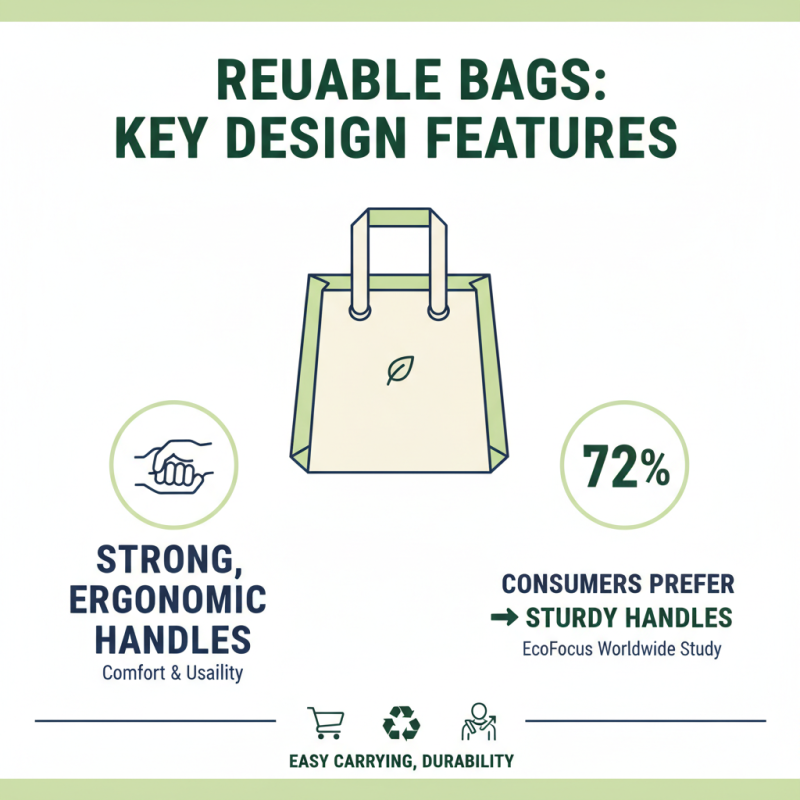
When selecting reusable bags, design features play a crucial role. Handles are essential for comfort and usability. A study by EcoFocus Worldwide indicated that 72% of consumers prefer bags with sturdy, ergonomic handles. These handles should allow for easy carrying, even when the bag is full. If the handles aren't strong enough, the bag may tear or become overly cumbersome.
Pockets are another important consideration. Bags with additional pockets can help keep items organized. According to a report from the Sustainable Packaging Coalition, 55% of shoppers value organizational features in their reusable bags. However, more pockets can also mean more weight. Some designs may end up being less practical for everyday use. Balancing the number of pockets with the overall weight of the bag can be challenging.
Foldability is a must for many users. A bag that folds neatly can fit into small spaces, encouraging frequent use. Research from the Reusable Bag Association showed that 65% of consumers find foldable bags more appealing. While these bags save space, they might sacrifice sturdiness. Users need to evaluate if the convenience of foldability outweighs the risk of reduced durability.
Analyzing Cost-Effectiveness and Brand Reputation in Your Purchase
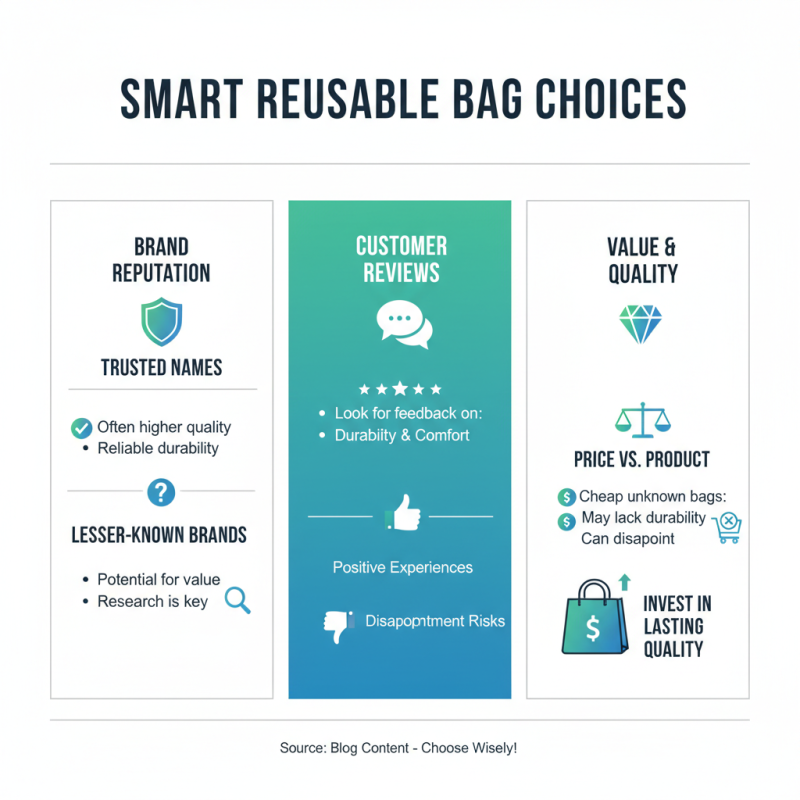
When selecting reusable bags, brand reputation matters. A well-regarded brand often means quality. However, some lesser-known brands can offer surprisingly good products. Research customer reviews. Look for feedback on durability and comfort. Sometimes, the cheap option from an unknown source can disappoint.
Cost-effectiveness is another key factor. Evaluate the price relative to how often you’ll use the bag. A higher upfront cost may pay off over time if the bag lasts longer. Consider the materials used. Sustainable materials may cost more but could save you money in the long run with their durability.
Think about your specific needs. Do you often shop for groceries? A larger, sturdy bag is essential. For everyday use, a medium-sized option may suffice. Keep in mind, the smallest bags can be great for quick errands. However, they might break with heavy items. Balancing quality, cost, and brand reputation can be tricky, but it pays off when you find the right bag.