How to Choose the Best Poly Mailers for Your Business?
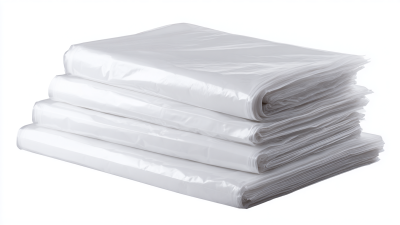
Selecting the right poly mailers is crucial for your business. These shipping materials can greatly impact your brand and customer satisfaction. Poly mailers are lightweight and durable, making them ideal for e-commerce businesses. They protect items during transit and enhance the unboxing experience.
However, choosing the best poly mailers requires careful consideration. You need to evaluate their size, thickness, and design. Not all mailers are created equal. Some may tear easily or fail to secure contents properly. A poor choice can lead to damage and customer complaints, affecting your brand's reputation.
Reflecting on your own experiences with poly mailers can offer valuable insights. Have you encountered issues with previous choices? Understanding common pitfalls can guide you in making better decisions. A thoughtful selection process can pay off in the long run.
Understanding the Importance of Poly Mailers for Your Business
Poly mailers have become essential for businesses, especially in the e-commerce sector. They offer a lightweight, durable, and waterproof solution for shipping a variety of products. Choosing the right poly mailers can greatly enhance your brand's image and ensure that your items reach customers in excellent condition. When considering poly mailers, it's vital to think about the materials used in production. High-quality options resist tearing and puncturing, which protects your products during transit.
Incorporating and using poly mailers can also streamline your packing process. They are easy to store and require minimal space. Smaller businesses often find that they save on shipping costs by using these lightweight alternatives. Reflecting on this aspect, however, you should evaluate whether your choice in mailers aligns with your sustainability goals. Some poly mailers are recyclable, while others may contribute to plastic waste. Striving for a balance between cost-efficiency and environmental responsibility is crucial.
Moreover, branding options available with poly mailers allow businesses to stand out. Custom designs can enhance customer unboxing experiences. Yet, this may pose a challenge for some companies as they navigate the complexities of design and production. Maintaining a professional appearance while ensuring that packing materials are functional can require thoughtful planning. Adopting a keen eye for detail during this process can lead to significant benefits.
Identifying the Right Size and Thickness for Your Shipping Needs
Choosing the right size and thickness of poly mailers is crucial for shipping efficiency. Start by assessing the type of products you ship. Small items can fit into standard mailers, but larger items require bigger sizes. If your product is fragile, consider extra cushioning or using a thicker mailer. The right fit prevents damage, enhancing customer satisfaction.
Thickness is another vital aspect. Thin poly mailers work well for non-fragile items. However, if you regularly ship items that can be easily bent or crushed, investing in thicker options is wise. A thicker mailer adds protection but may increase shipping costs. Reflect on your specific needs to find a balance that works.
Many businesses overlook the importance of testing different sizes and thicknesses. What looks good on paper might not perform well in practice. Try various options to see which meets your requirements best. Collect feedback from customers about their shipping experience and adjust accordingly. Each step of this process strengthens your business’s reliability and builds trust.
Choosing the Best Poly Mailers for Your Business
This chart illustrates the recommended thickness in mil for various sizes of poly mailers. Choosing the right thickness is crucial for ensuring that your shipments are secure and protected during transit.
Exploring Different Types of Poly Mailers Available in the Market
When exploring poly mailers, it's essential to understand their various types. Poly mailers come in several sizes and thicknesses. The common thickness ranges from 2.5 to 6 mils. A thicker mailer provides better protection against tears and punctures. However, a lightweight option can save on shipping costs. Always consider what you are shipping.
There are specific styles of poly mailers that serve different needs. Some have a self-sealing adhesive strip for convenience. Others come with a peel-and-seal feature, making packing quick. Special padded mailers offer extra cushioning for fragile items. This adds a layer of security for valuable products.
While selecting, assess the environmental impact as well. Biodegradable options are available for eco-conscious businesses. However, they may not suit every shipping situation. Reflecting on the balance between cost, utility, and sustainability is crucial. Each choice carries its pros and cons, prompting business owners to carefully evaluate their packaging strategy.
How to Choose the Best Poly Mailers for Your Business? - Exploring Different Types of Poly Mailers Available in the Market
| Type of Poly Mailer |
Material |
Weight Limit (lbs) |
Water Resistance |
Sustainability |
Price Range ($) |
| Standard Poly Mailer |
LDPE (Low-Density Polyethylene) |
10 |
Yes |
No |
0.05 - 0.15 |
| Bubble Mailer |
Bubble Wrap Laminated |
15 |
Yes |
No |
0.15 - 0.25 |
| Recyclable Mailer |
Recycled Material |
12 |
Yes |
Yes |
0.10 - 0.20 |
| Padded Mailer |
Foam Padding |
20 |
Yes |
No |
0.20 - 0.35 |
| Printed Mailer |
LDPE with Custom Prints |
8 |
Yes |
No |
0.15 - 0.30 |
Evaluating Cost-Effectiveness and Supplier Options for Poly Mailers
Choosing the right poly mailers for your business requires a careful evaluation of cost-effectiveness and supplier options. With shipping costs typically representing a substantial portion of e-commerce expenditures—around 10% to 15% of total sales—finding affordable yet reliable mailers can greatly impact your bottom line. Data from the Packaging Industry Association indicates that businesses can save up to 30% on shipping costs by using lightweight poly mailers compared to heavier alternatives.
Consider the quality of your mailers as well. While cheaper options may seem appealing, they might not withstand transit conditions, leading to loss or damage. A recent survey showed that about 15% of parcels face issues due to inadequate packaging. Investing in quality materials can reduce these incidents and enhance your brand’s reputation.
Here are some tips: Evaluate suppliers carefully. Request samples to assess quality before making bulk purchases. Research industry reviews to understand supplier reliability. Additionally, watching for seasonal sales can help you stock up at lower prices, ensuring your business runs smoothly during peak times. Monitor your packaging expenses regularly to ensure you are getting the best value.
Considering Environmental Impact and Sustainability of Poly Mailers
When selecting poly mailers for your business, consider their environmental impact. Traditional plastic mailers can contribute to pollution and waste. Opting for eco-friendly alternatives, such as biodegradable or recyclable options, can help minimize this footprint. These choices showcase your commitment to sustainability and can attract environmentally-conscious customers.
Evaluate the materials used in your poly mailers. Some are made from recycled materials, which reduces the need for new resources. Look for certifications that prove their sustainability. This not only impacts the environment but also enhances your brand’s reputation. Customers tend to favor companies that prioritize eco-friendly practices.
Consider the sourcing and lifecycle of the mailers. Reflect on where the materials come from and how they will be disposed of. Encouraging customers to recycle or reuse mailers can further your sustainability efforts. Educating your audience on these practices can create a positive relationship. It may require adjustments, but the long-term benefits often outweigh the challenges.