How to Choose the Best Rigid Mailer for Your Shipping Needs?
When it comes to shipping, selecting the right Rigid Mailer can make a significant difference. According to Mark Johnson, a logistics expert at ShipSmart Solutions, “The right packaging is crucial for protecting your products during transit.” His insight highlights the importance of understanding your shipping needs before choosing a mailer.
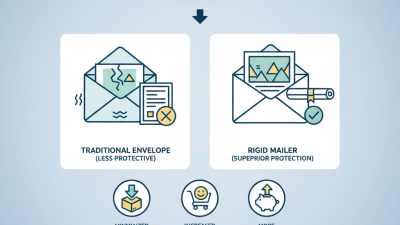
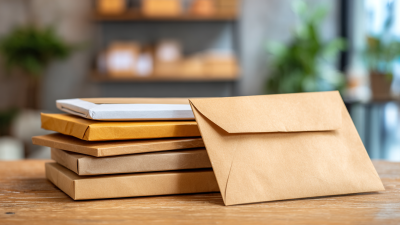
Rigid Mailers are designed to provide sturdy protection for items that could be damaged in transit. Whether you’re shipping documents, artwork, or fragile items, these mailers ensure that your products arrive in pristine condition. However, not all Rigid Mailers are created equal. Factors such as size, material, and closure type can greatly affect the safety and presentation of your shipment.
While many businesses rely on standard mailers, overlooking essential details can lead to complications. For instance, using an oversized mailer may result in unnecessary damage. Similarly, opting for a cheaper material might compromise your shipment's integrity. Each decision you make about your Rigid Mailer matters. Reflecting on these aspects can enhance your shipping strategy and lead to improved customer satisfaction.
Understanding the Different Types of Rigid Mailers Available
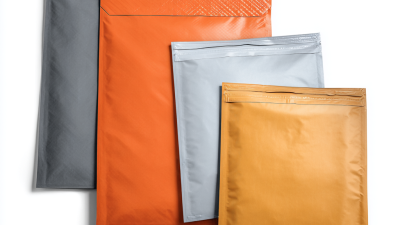
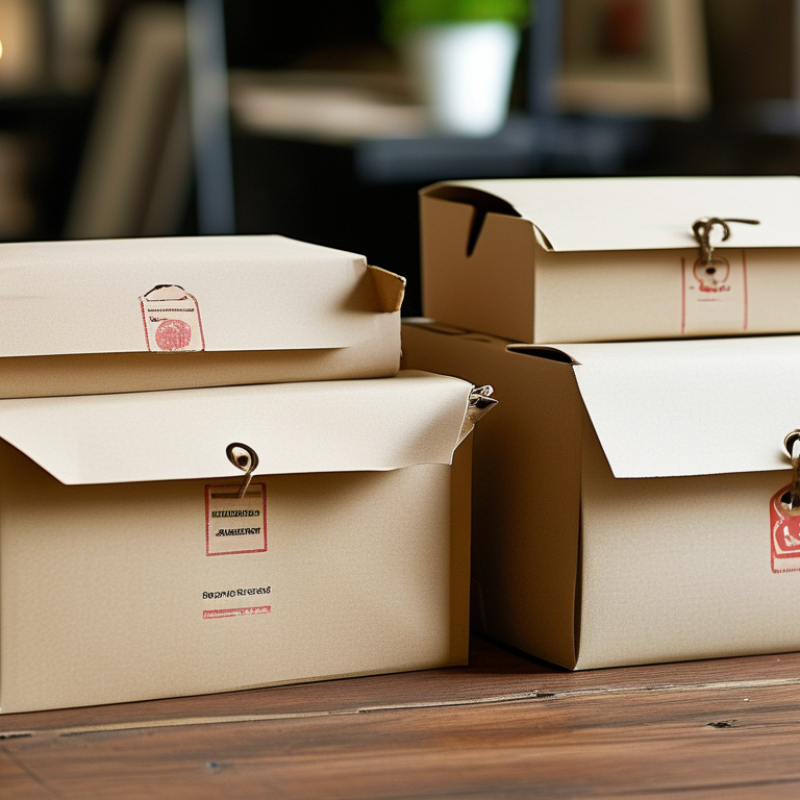
When selecting a rigid mailer, understanding the different types available is essential. Rigid mailers are designed to protect fragile items during shipping. They come in various sizes and materials, allowing you to pick what suits your product best. Common options include cardboard, plastic, and eco-friendly materials. Each type offers distinct benefits for different shipping needs.
Cardboard mailers are sturdy and provide excellent protection against crushing. They work well for flat items like prints or documents. Plastic mailers, on the other hand, are lightweight and waterproof. They can be a great choice for items that need moisture protection. Eco-friendly options are becoming more popular, providing the same level of protection while being sustainable.
It's important to consider the weight and dimensions of your items when choosing a mailer. Oversized mailers can lead to increased shipping costs. Additionally, if the mailers are too small, they may not adequately protect the contents. Testing a few options will help you understand what works best for your shipping needs.
Comparison of Different Types of Rigid Mailers
Factors to Consider for Selecting the Right Size and Dimensions
When selecting a rigid mailer, size and dimensions are critical. Studies indicate that 25% of shipping issues arise from improper sizing. A mailer that’s too small can crush items. On the other hand, too much extra space can lead to shifting and damage during transit. Choose a mailer that snugly fits your product to avoid these pitfalls.
Consider the weight of your items as well. Lightweight products may require less durable materials, while heavier items need stronger mailers. A recent report by the Packaging Association shows that 40% of returns are due to damaged packaging. To prevent this, ensure your dimensions account for padding and protect fragile items adequately. Each inch in size can impact costs, so analyze pricing structures based on standard dimensions versus custom sizes. Small adjustments can make a significant difference.
Also, keep in mind the overall shape of your items. Unique shapes often require custom solutions, which can be costly. However, failing to accommodate odd shapes may lead to protection issues. Using the right dimensions can enhance not just safety but also customer satisfaction, leading to repeat business. Balancing cost, protection, and efficiency is essential in your selection process.
Evaluating Material Quality and Durability for Shipping Protection
When selecting a rigid mailer, evaluating the material quality is crucial. Rigid mailers protect contents from bending or damage during shipping. Look for options made from sturdy materials, such as fiberboard or heavy-duty cardboard. These materials can withstand pressure and resist punctures. Quality matters, especially for fragile items.
Tips: Choose mailers that have multiple layers. This adds strength and durability for heavier packages. Check for a moisture-resistant lining. It protects against humidity and spills.
Durability goes hand-in-hand with material. A mailer's longevity impacts your shipping experience. Examine the seams and edges for robustness. Well-constructed mailers reduce the risk of tears during transit. However, be cautious. Over-packing can lead to excess weight, possibly negating the durability benefit.
Consider how the mailer will be handled. Rigid mailers are often stacked, so they must endure pressure. Don’t forget to test different sizes too. A snug fit can prevent movement inside the mailer, reducing the chance of damage. Look for options with easy-to-use closures. Securing items properly is as important as the material itself. Focus on these details to enhance your shipping protection.
How to Choose the Best Rigid Mailer for Your Shipping Needs?
| Mailer Type |
Material Quality |
Durability Rating |
Best Uses |
Weight Limit |
| Kraft Paper Mailer |
Recyclable, tear-resistant |
Moderate |
Books, documents |
Up to 5 lbs |
| Poly Mailer |
Water-resistant, strong |
High |
Clothing, fabric items |
Up to 10 lbs |
| Corrugated Mailer |
Sturdy, impact-resistant |
Very High |
Fragile items, electronics |
Up to 20 lbs |
| Rigid Photo Mailer |
Thick cardboard, secure |
High |
Photographs, artwork |
Up to 3 lbs |
| Bubble Mailer |
Padded, protective |
Moderate |
Jewelry, small electronics |
Up to 5 lbs |
Cost-effectiveness: Balancing Quality and Budget in Rigid Mailers
When selecting rigid mailers, cost-effectiveness is key. Balancing quality with budget constraints ensures you meet shipping needs without overspending. Rigid mailers protect items well, but prices can vary significantly. Many businesses struggle to find the right balance.
Consider your items' specific requirements. A heavier item may need sturdier materials. Weigh the cost against potential damages; a cheap mailer can lead to losses. Investing slightly more in quality can save money in the long run. Use this guide to support your decision-making process.
Tips: Compare prices across suppliers. Don’t overlook bulk order discounts, which can significantly lower the per-unit cost. Sometimes, small adjustments in your packaging strategy can lead to greater savings. Seek feedback from your team about their experiences with various options to refine your choices.
Additional Features to Look for in Rigid Mailers for Enhanced Security
When selecting a rigid mailer, security features matter significantly. Look for mailers made from durable materials. This adds a layer of protection against crushing during transit. Sturdy construction helps ensure your items arrive safely. Some rigid mailers offer reinforced edges, which enhance their strength. This protection is crucial for fragile or valuable shipments.
Consider mailers with tamper-evident seals. This feature indicates if a package has been opened. It adds peace of mind for both sender and recipient. Also, check for moisture-resistant options. These keep contents safe from rain or spills. Think about size variations, too. A snug fit can prevent items from shifting. Loose items are at risk of damage.
Additional organizational features like tabs or pockets can help. They secure documents alongside products. However, not every feature is essential for every need. Reflect on what truly enhances your shipping process. Tailor your choices based on your specific requirements for security and efficiency.