The Ultimate Guide to Choosing the Right Clothes Shipping Bag for Your Business Needs
In today's fast-paced e-commerce landscape, selecting the right packaging is crucial for ensuring that your products reach customers in pristine condition. Among various packaging options, the Clothes Shipping Bag has emerged as a preferred choice for many businesses, thanks to its durability, lightweight design, and versatility. With a myriad of options available on the market, it can be overwhelming to determine which Clothes Shipping Bag best fits your business needs. This guide aims to simplify the decision-making process by providing comprehensive insights into the essential features, materials, and sizes available. Whether you are a small boutique or a large online retailer, understanding the nuances of Clothes Shipping Bags will not only enhance your shipping efficiency but also improve customer satisfaction. Join us as we unravel the key considerations you need to weigh when choosing the ideal packaging solution for your clothing business.

Understanding Different Types of Clothes Shipping Bags Available in the Market
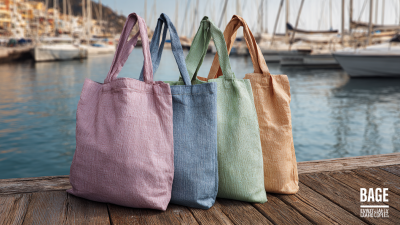
When selecting the right clothes shipping bag for your business, it's crucial to understand the various types available in the market. The most common options include poly mailers, reusable bags, and cardboard boxes, each catering to different shipping needs and preferences. Poly mailers are lightweight and water-resistant, making them an excellent choice for clothing items. On the other hand, reusable bags offer an eco-friendly option for customers who value sustainability, while cardboard boxes provide added protection for fragile items.
Tips: When choosing a shipping bag, consider the size and weight of the items you'll be shipping. Ensure that the bag you select can accommodate your products without excess space, which can lead to movement during transit. Additionally, think about branding; using custom-printed bags can enhance your brand's visibility and create a memorable unboxing experience for customers.
Understanding the features of each shipping bag type can help streamline your fulfillment process and improve customer satisfaction. Remember to evaluate the cost-effectiveness of your chosen bag against the quality it offers to ensure you meet both your budget and shipping requirements efficiently.
Key Features to Consider When Selecting Clothes Shipping Bags
When selecting the right clothes shipping bag for your business, several key features should be at the forefront of your decision-making process. First, consider the material of the bag. High-quality, durable materials such as polyethylene or polypropylenes can safeguard your items from moisture, dirt, and damage during transit. Additionally, look for bags that are puncture-resistant and tear-proof to ensure that your products arrive in pristine condition.
Tips: Always test the strength of the shipping bags with a sample load to ensure they can handle your typical shipment volume without risk of breaking or tearing.
Another important factor is the size and shape of the bags. Choose a bag that fits your clothing items snugly, providing enough space without excess voids that could lead to movement and potential damage. Additionally, consider opting for bags with a self-sealing feature, which can save time and reduce the risk of missealing during the packing process.
Tips: Measure your most common clothing items and select bags in a range of sizes to accommodate various products while minimizing shipping costs.
The Ultimate Guide to Choosing the Right Clothes Shipping Bag
This chart illustrates the key features to consider when selecting clothes shipping bags for your business needs. The data reflects the importance of different features based on a survey of businesses.
Comparing Eco-Friendly vs. Traditional Clothes Shipping Bags
When selecting clothes shipping bags for your business, the debate between eco-friendly and traditional options has become increasingly significant. According to a recent report from Grand View Research, the global biodegradable bags market is expected to reach $4.8 billion by 2027, indicating a robust shift towards environmentally conscious packaging solutions. Eco-friendly bags, often made from materials like recycled paper or bioplastics, not only reduce landfill waste but also appeal to the growing number of consumers prioritizing sustainability in their purchasing decisions. In fact, a survey conducted by Nielsen found that 66% of global consumers are willing to pay more for sustainable brands, showcasing the potential for eco-friendly shipping bags to enhance brand loyalty and customer satisfaction.
On the other hand, traditional plastic shipping bags continue to dominate the market due to their cost-effectiveness and durability. According to Statista, the global plastic packaging market size was valued at $346.3 billion in 2020 and is expected to expand at a compound annual growth rate (CAGR) of 3.4% from 2021 to 2028. Businesses often gravitate towards these traditional materials for their reliability and lower price point. However, it's essential to consider the potential environmental impact, as conventional plastic bags can take hundreds of years to decompose, contributing significantly to pollution. For businesses, the choice between eco-friendly and traditional bags should factor in both operational costs and the growing consumer demand for sustainable practices.
Sizing and Durability: Choosing the Right Specifications for Your Needs
When selecting the right clothes shipping bag for your business, sizing and durability are crucial specifications to consider. According to a recent report by the Packaging Association, nearly 70% of businesses cite packaging integrity as a vital factor in minimizing product damage during transit. This statistic emphasizes the importance of choosing a bag that can withstand various environmental conditions, such as moisture and punctures.
For instance, if you are shipping delicate apparel, opting for bags made from high-density polyethylene (HDPE) can offer superior tear resistance and waterproof properties. These bags come in different sizes; hence understanding your product dimensions can significantly reduce the risk of returns due to improper sizing. A study by the E-commerce Packaging Report shows that 85% of consumers expect their online orders to arrive in pristine condition, which further underscores the need for durable shipping solutions tailored to your product specifications. By prioritizing these elements, businesses can enhance customer satisfaction while minimizing costs associated with returns and damaged goods.
The Ultimate Guide to Choosing the Right Clothes Shipping Bag for Your Business Needs
| Bag Type |
Size (inches) |
Material |
Durability (lbs) |
Water Resistance |
Eco-friendly Options |
| Poly Mailer |
10 x 13 |
Polyethylene |
5 lbs |
Yes |
No |
| Biodegradable Mailer |
12 x 15.5 |
Cornstarch-Based |
4 lbs |
Yes |
Yes |
| Kraft Paper Bag |
14 x 18 |
Kraft Paper |
10 lbs |
No |
Yes |
| Reusable Tote |
15 x 15 |
Canvas |
20 lbs |
Yes |
Yes |
Cost Analysis: Budgeting for Clothes Shipping Bags in Your Business
When budgeting for clothes shipping bags, businesses must carefully analyze their costs to ensure efficiency and profitability. The shipping bag is a critical component of how products are presented and delivered. With rising prices in e-commerce, particularly in clothing rentals and dropshipping, finding a cost-effective solution for packaging is essential. Understanding your variable and fixed costs can help you make informed decisions. Variable costs, such as shipping materials, can fluctuate based on order volume, impacting your overall expenses directly.
**Tips:**
1. Compare suppliers to find the best pricing for bulk orders of shipping bags. Evaluate the quality against the cost to ensure you're not compromising on presentation.
2. Consider using biodegradable or recyclable materials for your shipping bags. This can not only reduce costs but also enhance your brand's appeal to eco-conscious consumers.
3. Regularly review your shipping costs and explore ways to streamline the process. For instance, using automated packing systems can cut down on labor costs and improve efficiency, allowing you to focus on growth.