10 Essential Tips for Choosing the Perfect Delivery Bag for Your Needs
When it comes to ensuring your deliveries reach their destination in perfect condition, selecting the right delivery bag is paramount. A delivery bag is not just a transportation tool; it plays a crucial role in maintaining the quality of the items being delivered, whether they are hot meals, frozen goods, or delicate packages. With so many options available on the market, making an informed choice can be overwhelming.
In this guide, we will explore 10 essential tips that will help you choose the perfect delivery bag tailored to your unique needs. From considering the insulation properties to evaluating the bag's durability, each aspect is important to ensure that your deliveries not only arrive on time but also retain their intended quality. Understanding your specific requirements and knowing what to look for can simplify the selection process and enhance your overall delivery experience.
Understanding Different Types of Delivery Bags Available in the Market
When choosing the right delivery bag, it’s essential to understand the variety of options available in the market, each designed to meet specific needs.
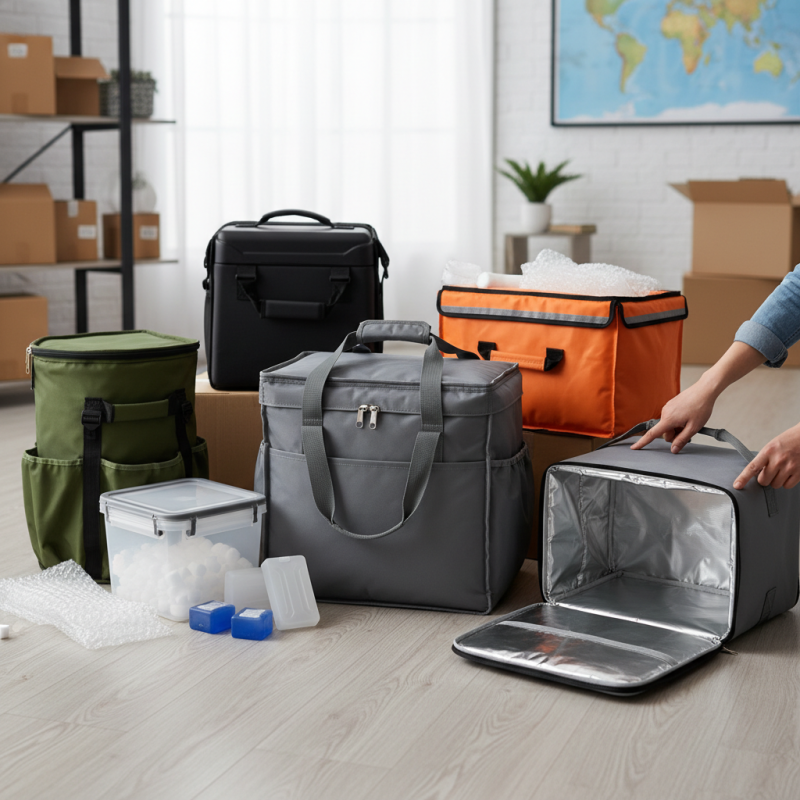
Insulated delivery bags are popular for carrying food, as they help maintain temperature, ensuring customers receive their meals hot and fresh. These bags often come in different sizes and designs, catering to various types of deliveries, from pizza to groceries.
Additionally, waterproof bags are invaluable for delivering items in inclement weather, providing an extra layer of protection to keep contents dry and secure.
Another category is the classic courier bag, which is lightweight yet durable, ideal for documents and smaller packages. These bags usually feature a shoulder strap for easy carry and quick access.
Finally, there are multi-compartment bags that are excellent for those who need to deliver different types of items simultaneously; they allow for organization and separation of goods, preventing cross-contamination and ensuring that each item arrives in optimal condition.
By understanding these different types of delivery bags, you can make an informed choice that best suits your delivery needs.
Key Features to Look for When Selecting a Delivery Bag
When selecting a delivery bag, consider several key features that will enhance your efficiency and convenience. First and foremost, look for insulation. A well-insulated bag will maintain the temperature of your food or items, ensuring that they arrive in optimal condition. This is particularly important for food delivery services where hot meals need to stay warm and cold items remain chilled.
Another crucial aspect to examine is the bag's durability. Choose materials that can withstand heavy use and protect the contents from environmental factors. Fabrics that are tear-resistant and waterproof are excellent choices, as they provide additional protection against spills or inclement weather. Additionally, a bag with reinforced seams and sturdy zippers ensures that it can handle the rigors of daily deliveries without compromising quality.
Lastly, consider the bag's size and compartments. It’s essential to select a delivery bag that is spacious enough to accommodate different orders while also featuring separate compartments to prevent cross-contamination. A well-organized bag will help you streamline your delivery process, allowing you to quickly access items without needing to rummage through a cluttered space. By equipping yourself with the right features, your delivery experience can become more efficient and enjoyable.
10 Essential Tips for Choosing the Perfect Delivery Bag for Your Needs
| Feature |
Importance |
Considerations |
| Size |
High |
Match the size to your delivery items. |
| Insulation |
High |
Necessary for keeping food items hot or cold. |
| Durability |
High |
Look for quality materials that withstand wear and tear. |
| Weight |
Medium |
Ensure it's lightweight for ease of carrying. |
| Water Resistance |
High |
Protects contents from rain or spills. |
| Easy to Clean |
Medium |
Look for materials that can be wiped down easily. |
| Strap Comfort |
High |
Padded straps improve carrying comfort. |
| Accessibility |
High |
Easy to open and access items quickly. |
| Style |
Low |
Choose a design that represents your brand. |
| Pricing |
Medium |
Consider your budget while encompassing quality. |
Assessing Your Delivery Volume to Choose the Right Size Bag
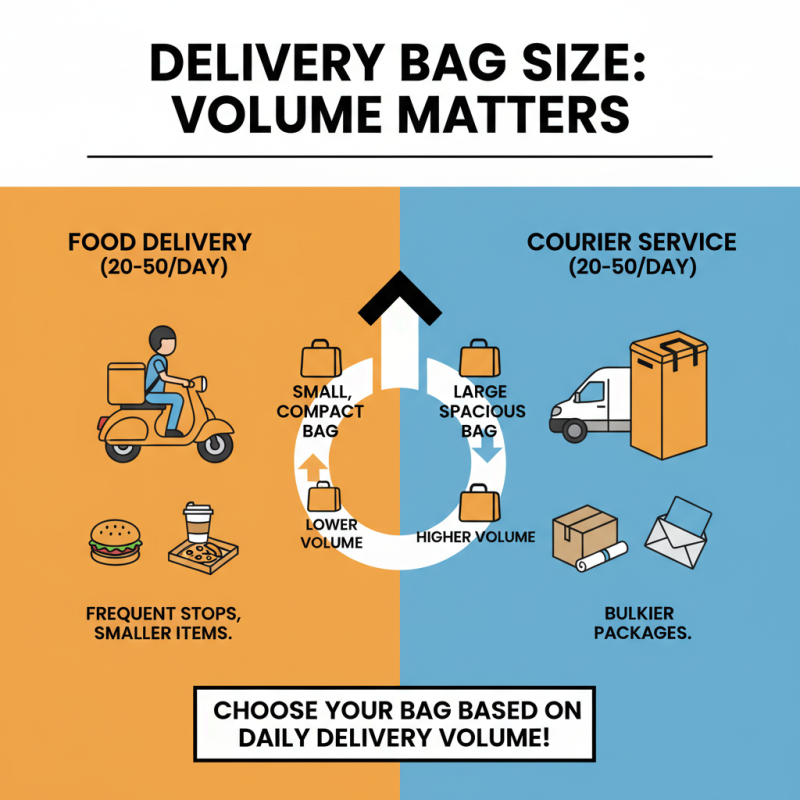
When selecting the ideal delivery bag, understanding your delivery volume is crucial for determining the appropriate size. According to industry reports, the average number of deliveries per driver can range from 20 to 50 per day, depending on the type of service offered. For instance, a food delivery driver may handle more frequent stops but with smaller items, while a courier service might require larger bags designed to accommodate bulkier packages. Assessing your delivery volume allows you to identify whether a smaller, compact bag or a larger, more spacious one would best suit your operational needs.
Additionally, considering the type of items you'll be delivering directly impacts bag size. A report from the National Association of Delivery Services noted that bags with a capacity of 20 to 30 liters are often ideal for food deliveries, while larger, 40 to 60-liter options are better suited for parcels or packages. By accurately gauging the average size and quantity of your deliveries, you can select a delivery bag that not only minimizes the number of trips but also enhances efficiency, ultimately leading to improved customer satisfaction and better profit margins.
Material Considerations for Durability and Temperature Control
When selecting a delivery bag, one of the critical aspects to consider is the material, as it significantly impacts both durability and temperature control. Bags made from high-quality insulated materials are essential for maintaining the desired temperature of the contents inside. For instance, insulated canvas or nylon can effectively shield food from external temperature fluctuations, ensuring that hot items stay warm and cold items remain chilled during transit. Look for bags with thick thermal linings, as these provide an extra layer of insulation, enhancing temperature retention.
In addition to insulation, the overall durability of the material used is paramount for long-term use. Bags constructed from heavy-duty fabrics such as polyester or reinforced materials can withstand the rigors of daily deliveries. Water-resistant or waterproof options are also beneficial, as they help protect the contents from spills or adverse weather conditions. Moreover, sturdy zippers and reinforced stitching contribute to a bag's longevity, reducing the risk of wear and tear over time. By selecting a delivery bag that combines quality insulation with durable materials, you can ensure that it meets your needs effectively while maintaining the integrity of your deliveries.
Material Considerations for Delivery Bags
Budgeting for Your Delivery Bag: Cost vs. Quality Analysis
When selecting the perfect delivery bag for your needs, it’s crucial to strike a balance between cost and quality. According to a report by the Food Industry Association, the delivery services market is projected to grow by 10% annually, increasing the demand for reliable delivery gear. Consumers often find that investing more upfront in a durable bag pays off in the long run, as quality bags can last significantly longer than cheaper alternatives. A durable delivery bag, on average, serves well for three to five years, whereas less expensive options might need replacement within a year, draining resources over time.
Budgeting for your delivery bag also involves considering the features that will best serve your operational needs. A survey conducted by Delivery Logistics Insights found that 68% of couriers emphasize insulation and water resistance as key features. While it might be tempting to opt for a lower-priced model, those that lack essential functionalities can jeopardize the quality of service and ultimately cost more through lost time and damaged goods. An investment in a higher-quality bag not only ensures better performance but also enhances customer satisfaction, which is essential for repeat business in a competitive market. Understanding where to allocate funds—for materials, size, and additional features—can significantly impact overall success and operating efficiency.