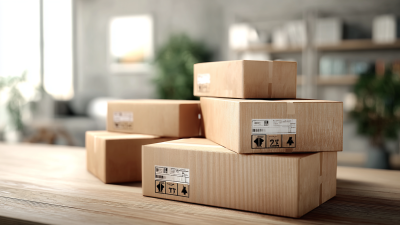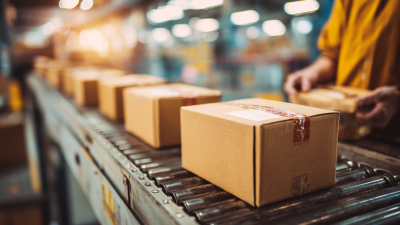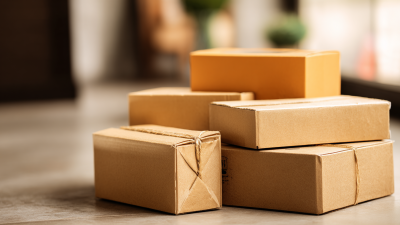

In the evolving landscape of commerce, the significance of efficient and effective packaging solutions cannot be overstated. One pivotal aspect of this is the concept of "Packaging Parcel," which serves as a crucial element in ensuring products reach consumers in optimal condition. As we delve into the year 2025, understanding the various types of packaging parcels and their corresponding benefits will be essential for businesses seeking to enhance their operational efficiency and customer satisfaction.
Different types of packaging parcels offer unique advantages that can significantly impact logistics, branding, and sustainability. For instance, choosing the right materials can not only protect products during transit but also reflect a company’s commitment to environmentally conscious practices. Furthermore, innovative packaging designs can improve the unboxing experience, fostering a stronger connection with customers and encouraging repeat business. By harnessing the potential of packaging parcels, businesses can position themselves competitively in a saturated market.
In this exploration, we will uncover the top five packaging parcel solutions for 2025, highlighting their features and benefits. Understanding these elements will empower businesses to make informed decisions that align with their growth strategies and environmentally responsible practices, ultimately leading to long-term success.
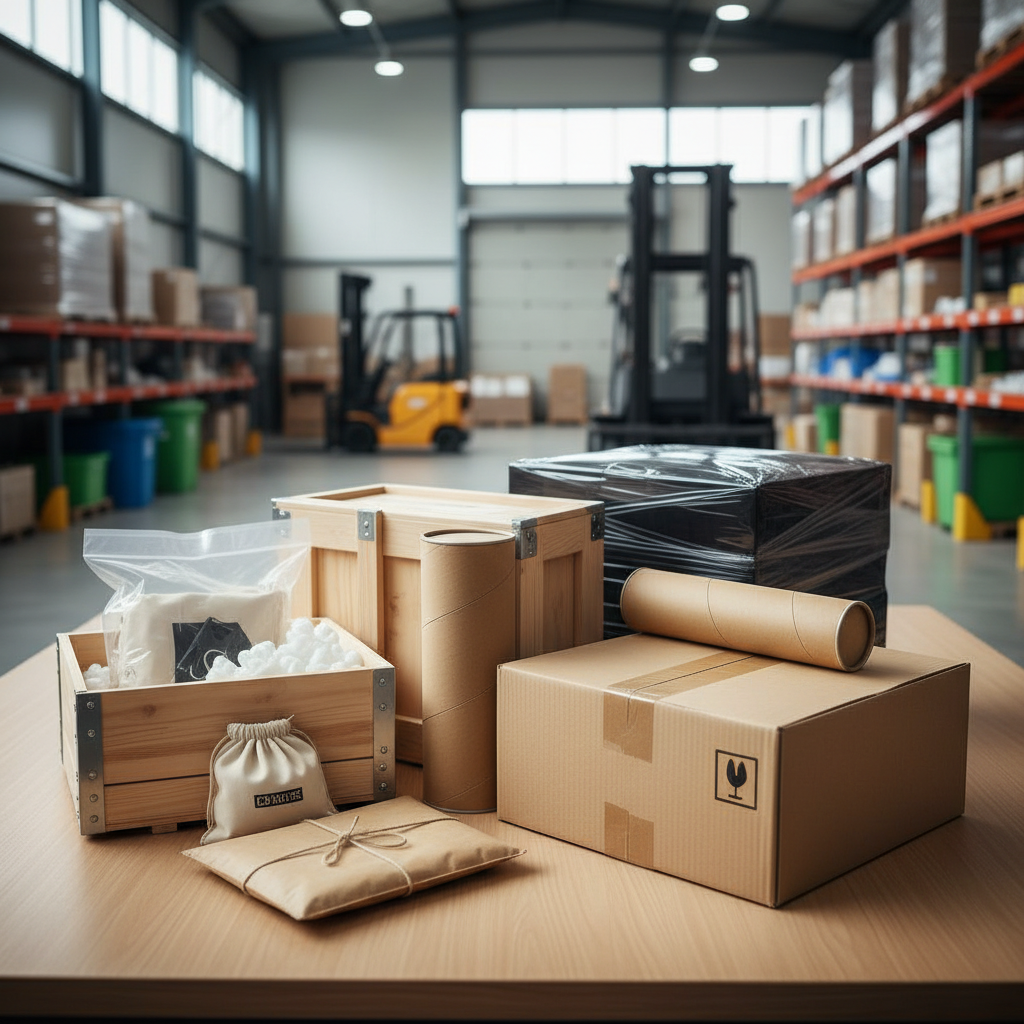
Packaging parcels play a crucial role in business practices, serving as the first touchpoint for customers when they receive their orders. The primary function of packaging is not just to protect the product; it also communicates the brand's identity and values. A well-designed packaging parcel can enhance the customer experience, ensuring that the product reaches its destination safely and impressively. Effective packaging can generate customer loyalty and encourage repeat business, as consumers are more likely to remember a brand that presents itself thoughtfully.
Tip: Choose eco-friendly materials for your packaging to resonate with environmentally conscious consumers. Sustainable packaging options not only help reduce waste but can also be a selling point, creating a positive image for your brand.
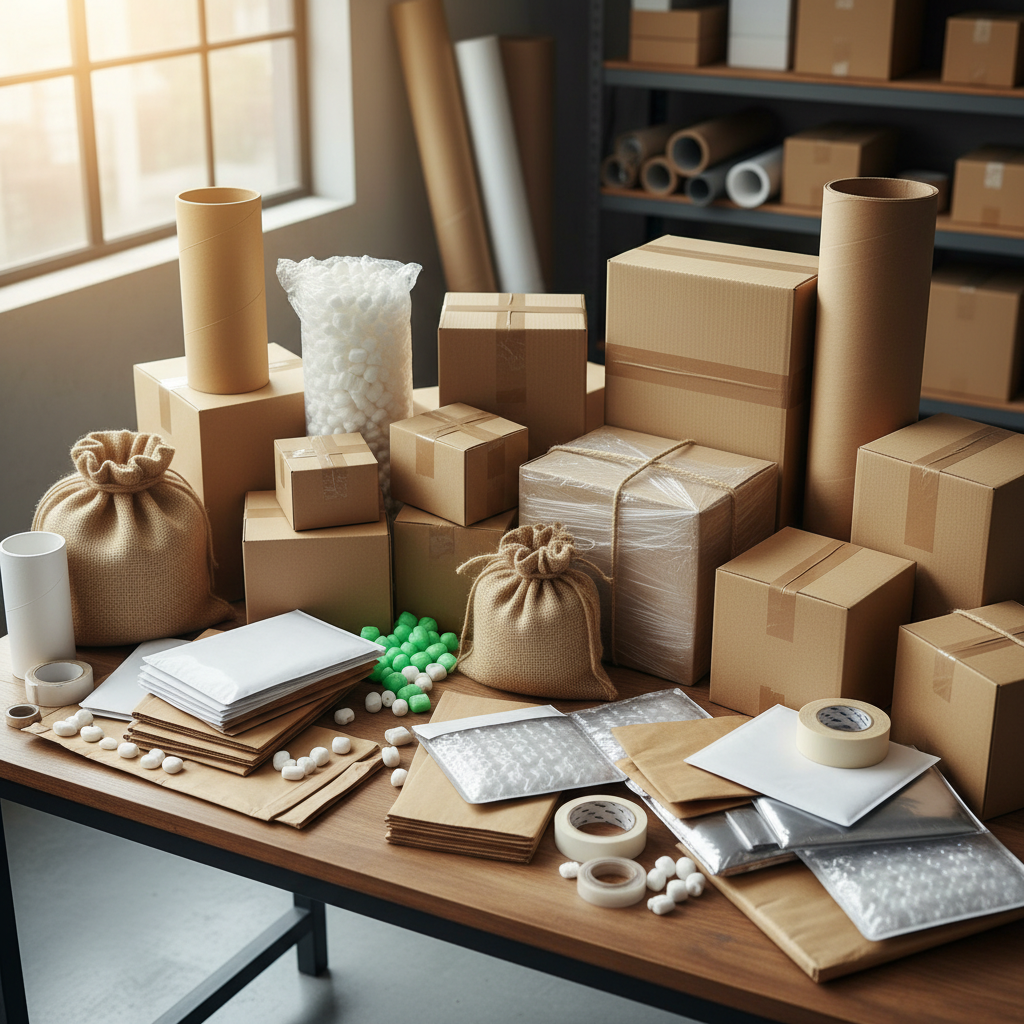
Different types of packaging parcels cater to various business needs, from simple cardboard boxes to custom-designed solutions that reflect a brand's uniqueness. Understanding these options is essential for businesses looking to optimize their packaging strategy. Adequate selection and investment in quality packaging can lead to significant cost savings by reducing product damage and return rates.
Tip: Consider incorporating branding elements like logos and colors into your packaging design to create a memorable unboxing experience, which can increase customer satisfaction and enhance your marketing efforts.
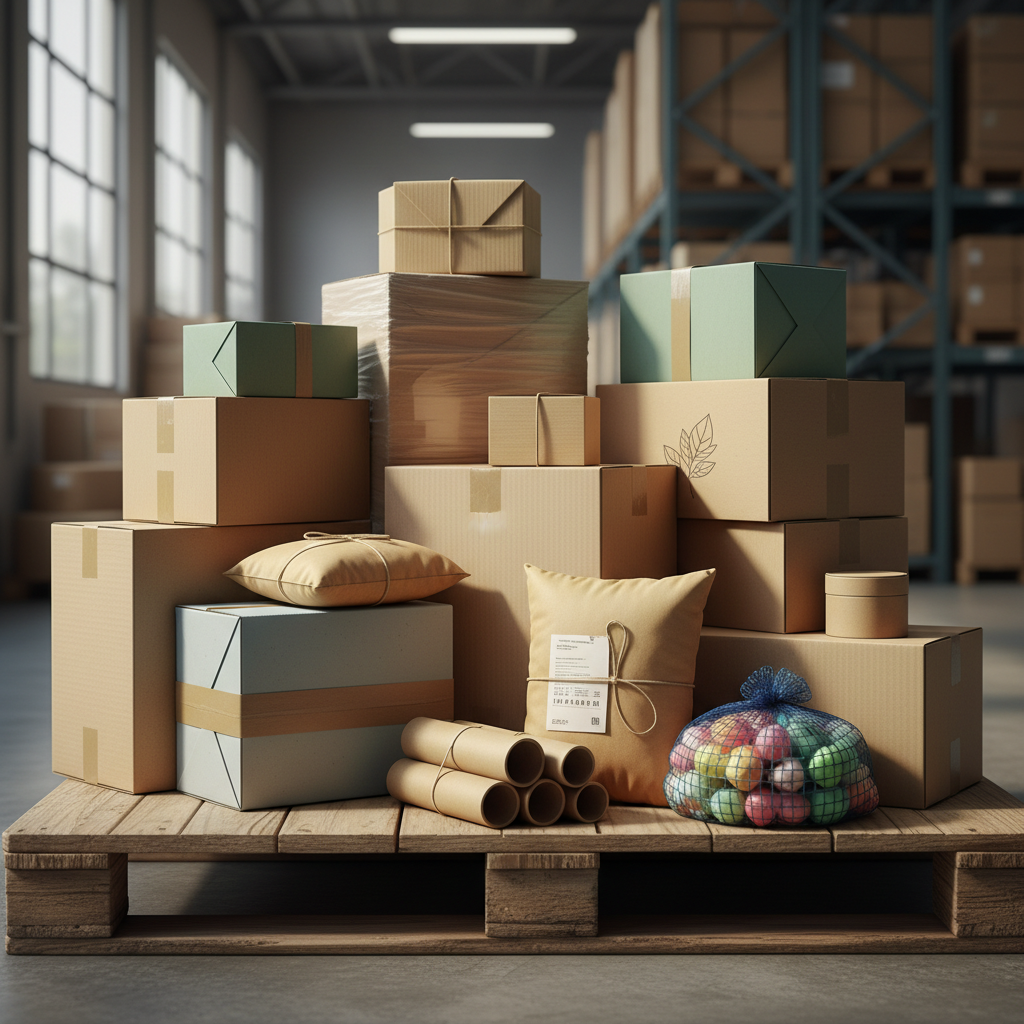
The global food packaging market is projected to reach a staggering value of $81.54 billion by 2024, with expectations to rise to $85.17 billion by 2025 and further grow to $122.15 billion by 2032. This significant growth underscores the increasing importance of various packaging solutions across different industries. Understanding the types of packaging available can help businesses maximize efficiency and sustainability in their operations.
In particular, the embossed tape market is expected to experience steady growth, reaching $68.628 million by 2025 and anticipated to climb to $91.2 million by 2034. The compound annual growth rate for this segment is projected at 3.21% from 2025 to 2034. This highlights the adaptability required in packaging solutions to cater to evolving consumer preferences and environmental considerations. As various industries seek innovative packaging methods, the exploration of these solutions will be crucial for businesses aiming to stay competitive and responsive to market demands.
| Packaging Type | Description | Industries Used | Benefits |
|---|---|---|---|
| Corrugated Boxes | Durable, lightweight boxes made from corrugated cardboard. | E-commerce, Electronics, Food | Cost-effective, recyclable, and customizable shape/size. |
| Shrink Wrap | Plastic film that shrinks tightly over items when heat is applied. | Food, Retail, Manufacturing | Provides protection from moisture, tampering, and dust. |
| Bubble Wrap | Plastic material with air-filled bubbles for cushioning. | Electronics, Glassware, Shipping | Offers excellent shock absorption and protection during transit. |
| Pallets | Flat transport structure used to support goods in a stable fashion. | Warehousing, Logistics, Retail | Facilitates easy handling, storage, and efficient shipping processes. |
| Glass Container | Containers made from glass for protecting food and beverages. | Food & Beverage, Cosmetics | Non-reactive, recyclable, and can enhance product visibility. |
When considering the cost-effectiveness of different packaging options, businesses must weigh various factors such as material costs, shipping weights, and customer satisfaction. According to a study by Packaging Strategies, over 60% of consumers are willing to pay more for sustainable packaging. This shift in consumer behavior indicates that investing in eco-friendly materials can not only enhance brand perception but also lead to potential long-term savings through reduced waste management costs.
Tips: Assess your packaging supply chain regularly; optimizing logistics can lead to significant savings. For instance, using corrugated cardboard can reduce shipping costs by up to 20% compared to heavier materials, as reported by the Corrugated Packaging Alliance.
Additionally, bulk purchasing of packaging materials can decrease unit costs significantly. A report from Smithers Pira highlights that using customized packaging not only reduces excess waste but also improves product protection, leading to lower return rates. This approach can ultimately save businesses money and improve customer satisfaction, emphasizing the importance of evaluating all possible packaging strategies for a more efficient operation.
The environmental impact of packaging materials has become an urgent concern for businesses and consumers alike. According to a report by the environmental organization "Greenpeace," the global production of plastic packaging is surging, with estimates suggesting it could increase by 3.8% annually, reaching nearly 1.5 billion tons by 2030. This rise poses significant ecological risks, including increased greenhouse gas emissions and the growing issue of marine pollution, as an estimated 8 million metric tons of plastic waste end up in oceans each year, severely threatening marine biodiversity.
Additionally, a study conducted by the World Economic Forum highlights that packaging accounts for over 40% of total plastic consumption. In response to these alarming statistics, many businesses are re-evaluating their packaging strategies. The shift towards sustainable packaging solutions, such as biodegradable materials and reusable containers, not only mitigates environmental harm but also enhances brand reputation. A Nielsen survey revealed that 73% of consumers are willing to pay more for sustainable products, illustrating the direct link between environmentally-friendly packaging and consumer choice. As businesses adapt to these market demands, transitioning to eco-friendly packaging becomes not just a responsibility, but a competitive advantage.
Effective packaging design plays a crucial role in enhancing customer experience, a factor that has been increasingly recognized by businesses across various industries. According to a report by the Packaging Association, 72% of consumers believe that packaging design influences their purchasing decisions. This statistic underscores the importance of creating visually appealing and functional packaging that aligns with brand identity while also considering consumer preferences and environmental impacts.
Moreover, well-designed packaging can significantly boost customer satisfaction and loyalty. A survey conducted by McKinsey indicates that companies that prioritize user-centric packaging see an increase in brand loyalty by as much as 25%. The right packaging not only protects the product but also engages the customer through innovative designs and sustainable materials. Businesses that invest in thoughtful packaging can effectively communicate their brand message, ensuring that the customer feels valued right from the unboxing experience.