What is Shipping Packaging and Why Does It Matter?
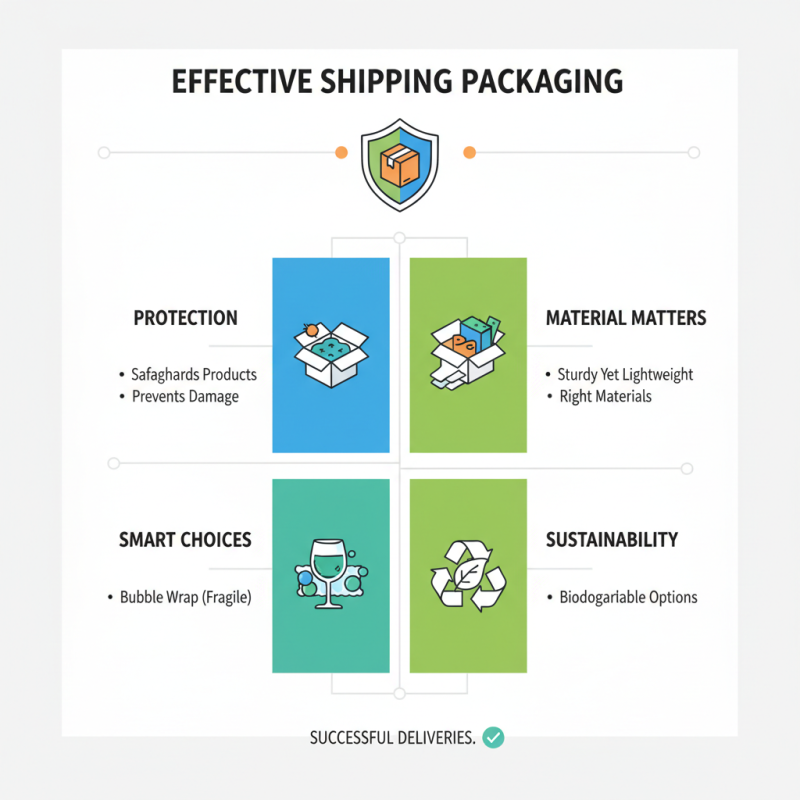
Shipping packaging plays a crucial role in the logistics industry. Steve Johnson, a packaging expert, emphasizes, "Good packaging protects the product and enhances the brand." This highlights the dual function of shipping packaging: to safeguard goods and to represent a company's image.
Various elements define effective shipping packaging. It must be durable enough to protect items during transit. Additionally, it should be easy to open, minimizing frustration for the end customer. Yet, many companies overlook the environmental impact of their packaging choices. This is a pressing concern, prompting reconsideration of materials used.
The balance between protection and sustainability is delicate. Some brands may prioritize aesthetics over functionality. Such choices can lead to customer dissatisfaction. In today’s market, customers value both product safety and eco-friendly practices. Therefore, reevaluating shipping packaging is not just essential; it is a responsibility.

Understanding Shipping Packaging: Definition and Purpose
Shipping packaging plays a crucial role in the transportation of goods. It serves to protect items from damage during transit. A well-designed package ensures that products arrive intact and ready for use. According to an industry report by the Packaging Association, about 70% of consumers have experienced damage to their online orders due to poor packaging.
Beyond protection, shipping packaging affects customer satisfaction and brand perception. Studies reveal that 55% of consumers appreciate environmentally friendly packaging options. This means companies must consider sustainable materials. Yet, many still rely on excessive plastic, which contributes to pollution. There's a growing need for improvement in this area.
Additionally, packaging costs can impact profit margins. The costs of inadequate packaging can lead to returns and replacements. Research shows that returns due to damage can increase shipping expenses by 30%. Frequent reflection on packaging choices can help companies mitigate these issues while meeting customer expectations. Each decision regarding shipping packaging can make a significant difference.
Types of Shipping Packaging Materials and Their Uses
When it comes to shipping, packaging plays a crucial role. Different materials serve varied purposes. Cardboard is commonly used for boxes. It's lightweight and recyclable. Bubble wrap provides cushioning. It protects fragile items during transit.
Plastic wraps are also popular. They offer protection from moisture. They are versatile for covering various shapes and sizes. Foam peanuts fill empty spaces in boxes. They prevent items from shifting and reduce the risk of damage.
**Tips:** Always consider the weight of your packaging. Lighter materials can save on shipping costs. Choose materials that match your product's needs. Not everything requires heavy-duty packaging. Sometimes, less is more.
Custom packaging options exist as well. They can enhance branding and user experience. However, they might require more planning and investment. Reflect on your packaging strategy. Not every choice may be sustainable or cost-effective. The goal is to balance protection and environmental impact.
What is Shipping Packaging and Why Does It Matter?
| Type of Packaging Material |
Characteristics |
Common Uses |
Environmental Impact |
| Cardboard |
Lightweight, durable, recyclable |
Shipping boxes, protective packaging |
Recyclable, but can contribute to deforestation if not sourced sustainably |
| Bubble Wrap |
Great shock absorption, lightweight |
Protective packaging for fragile items |
Not biodegradable, but can be recycled |
| Packing Peanuts |
Lightweight, void fill material |
Cushioning for boxes |
Traditionally made from Styrofoam, not environmentally friendly |
| Shrink Wrap |
Tight fit, moisture-resistant |
Bundling and protecting items during shipment |
Single-use plastic, poses recycling challenges |
| Plastic Boxes |
Durable, reusable, water-resistant |
Shipping and storing items |
Reusable, but contributes to plastic pollution |
The Importance of Proper Packaging in Supply Chain Management
Proper packaging is essential in supply chain management. It safeguards products during transit. Good packaging prevents damage caused by impact, moisture, and temperature changes. For example, using cushioning materials like bubble wrap can reduce the risk of breakage. Without proper packaging, even a small bump can lead to significant losses.
Moreover, packaging affects logistics efficiency. Clearly labeled boxes streamline the sorting process. This avoids delays and confusion in warehouses. However, many companies overlook the importance of design. Stylish packaging attracts customers, but it should not compromise protection. Striking a balance can be challenging.
It's also crucial to consider sustainability. Eco-friendly materials are becoming popular. Yet, businesses often stick to traditional options that harm the environment. Rethinking packaging choices can reduce waste and improve brand image. Still, the path to better solutions requires continuous evaluation.
Understanding the Importance of Shipping Packaging in Supply Chain Management
This chart illustrates the various factors affecting the efficiency of shipping packaging in the supply chain. Proper packaging can reduce damage rates, optimize shipping costs, and improve customer satisfaction.
Environmental Considerations in Shipping Packaging Choices
Shipping packaging is often overlooked, yet its environmental impact is significant. Many packaging materials end up in landfills, harming ecosystems and wildlife. Opting for sustainable options can mitigate this issue. Recycling paper, using biodegradable materials, or sourcing from renewable resources can considerably reduce waste. However, not all eco-friendly options are created equal. Some biodegradable items still require specific conditions to decompose effectively.
When choosing packaging, consider the lifecycle of materials. Aim for minimal packaging whenever possible. This not only cuts costs but also reduces material use. Assess whether your packaging can be reused or upcycled. Local sourcing of packing supplies can lower carbon footprints too.
**Tip:** Select materials that are easily recyclable. This makes disposal easier and more effective for consumers.
Every choice matters. You might still encounter challenges, such as balancing durability and sustainability. Understand that some decisions may seem imperfect but can lead to improvements over time. Engage consumers with your eco-friendly packaging stories. They want to know how their choices influence the environment.