Shipping Bag Tips for Choosing the Best Options for Your Needs?
When it comes to shipping, selecting the right packaging is crucial. Shipping bags play a significant role in ensuring your items arrive safely and intact. Many people overlook the importance of choosing an appropriate shipping bag. They might choose based solely on price, ignoring other essential factors.
A good shipping bag should protect your products from damage during transit. For instance, if you're sending fragile items, a padded shipping bag is a smart choice. However, not everyone understands the different types available. There are also eco-friendly options that can appeal to environmentally conscious customers. Many fail to consider this, which can lead to missed opportunities.
Understanding your specific needs is vital. Are you shipping lightweight items or heavy products? This question can guide your choice. You may find that a durable bag pays off in the long run. Shipping bags should reflect the quality of your brand. Reflecting on these choices can make a significant difference in your shipping experience.

Understanding the Different Types of Shipping Bags Available
When it comes to shipping bags, understanding the types available is essential. There are several options on the market, each designed for specific needs.
Poly mailers are lightweight and water-resistant. They work well for clothing and non-fragile items. Kraft paper bags offer a more eco-friendly choice, but they are less durable.
One crucial tip is to consider the weight of your items. Heavier items may require stronger materials, like padded envelopes. Lighter items can be shipped in basic poly mailers.
Also, think about the weather. Humid environments can damage certain materials, so choose moisture-resistant options.
Don't overlook dimensions. Shipping bags come in various sizes. It's easy to order too large or too small. Measuring your products carefully can save you from potential issues.
You might end up with extra shipping costs or unhappy customers. Remember, every choice impacts your business's image and effectiveness.
Factors to Consider When Choosing Shipping Bags for Your Products
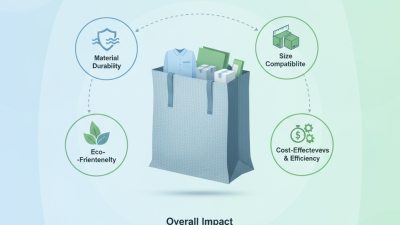
When choosing shipping bags for your products, consider the material. Different materials offer varying levels of protection. For fragile items, padded options can prevent damage. Lightweight bags can reduce shipping costs, while durable options protect against wear and tear.
Size matters too. Pick bags that fit your item snugly. An oversized bag increases the chance of movement, leading to potential damage. A perfect fit saves space and reduces shipping weight. Think about the product type. For clothing, poly mailers work well. For delicate items, bubble wrap mailers may be better.
Here are some tips to help you choose the right bag. Test different materials for durability. Make sample shipments to see how they perform. Check reviews from other users about their experiences. Always have a backup plan in case a bag doesn't meet your expectations. Quality is essential, but it’s okay to adjust your choices as you learn.
Evaluating Material Choices for Durability and Protection
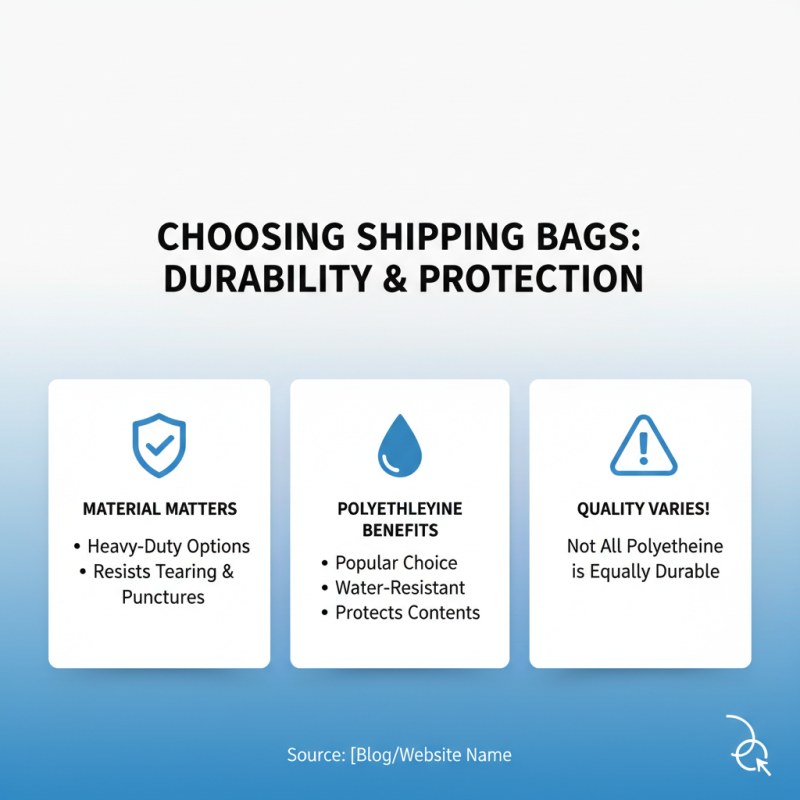
When choosing shipping bags, material selection is crucial for durability and protection. Look for heavy-duty options that resist tearing and punctures. Polyethylene is a popular choice due to its water-resistant properties. This helps protect contents during harsh weather conditions. But not all polyethylene is equal. Some variations may not offer the level of durability you expect.
Consider biodegradable materials if environmental impact concerns you. These options can provide decent protection while being better for the planet. However, their strength might not match traditional materials. Some users find them less reliable for heavier shipments.
When evaluating your needs, consider the contents you're shipping. Fragile items require thicker materials, while non-fragile items can be shipped with lighter bags. Testing different materials can help you identify what truly works for your needs. Remember, the cheapest option may cost more in the long run if not durable enough. It's worth investing time to get it right.
Assessing Size and Shape for Optimal Shipping Efficiency
When selecting shipping bags, size and shape are crucial for efficiency. According to a study by the Packaging Innovation Group, nearly 20% of shipping costs stem from improper packaging choices. This highlights the importance of assessing the dimensions of both the product and the container. A bag that’s too large can lead to excess material use, overall waste, and higher shipping expenses. Conversely, a bag that's too small may result in product damage.
Understanding the shape of your items is just as vital. For irregularly shaped products, avoid standard rectangular bags. Instead, consider adaptable pouches that mold to the shape of the item. This can minimize movement, reducing potential damage during transit. A research report by the Shipping Efficiency Alliance found that optimizing package shapes can lead to a 15% reduction in shipping costs.
However, mistakes can happen. Overestimating the size for safety can waste resources. In today's eco-conscious market, this approach collides with sustainability goals. Reflecting on packaging choices ensures better alignment with both efficiency and environmental responsibility. It's essential to continuously reassess shipping strategies to strike the right balance between cost, shape, and size.
Shipping Bag Size and Shape Assessment for Optimal Efficiency
Exploring Cost-Effectiveness and Sustainability in Shipping Options
When considering shipping options, cost-effectiveness is key. Many companies prioritize affordability, but this can lead to overlooked factors. Cheap materials often mean quicker wear and tear. A flimsy bag might save money upfront, but it can hurt your reputation. If a package arrives damaged, the cost of replacements adds up.
Sustainability must also be part of the equation. Eco-friendly options are gaining popularity, yet they may come with a higher price tag. Many consumers are willing to pay more for sustainable choices. It can be a challenge to balance budget and impact.
Choosing the right bag is not just about price. Think about environmental effects. Look for materials that are recyclable or biodegradable. Test different options to see how they hold up. It’s a learning process that may require adjustments. What works today might not work tomorrow. Careful consideration of these factors leads to better decisions.