2026 Top Large Shipping Bags for Global Buyers What to Know
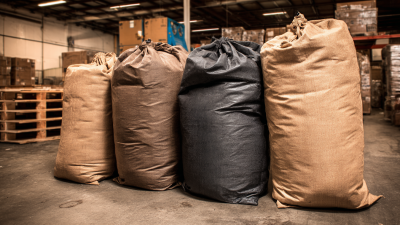
In the dynamic landscape of global commerce, understanding the significance of Large Shipping Bags is essential. These bags play a pivotal role in safely transporting goods across borders. As e-commerce continues to flourish, businesses must choose the right shipping solutions. Large Shipping Bags have become increasingly popular for their versatility and durability.
The 2026 market offers an array of options, but not all bags are created equal. Buyers need to consider material quality, size variations, and load capacity. The right choice can enhance customer satisfaction and promote brand reliability. However, navigating this market can be challenging. Many products may seem appealing at first glance, yet fail to meet shipping standards.
Reflecting on past experiences reveals the importance of vetting suppliers thoroughly. A poor choice could lead to damaged goods and unhappy customers. Engaging with trusted reviews and industry experts can provide valuable insights. It's not just about the bag; it's about building trust and ensuring product security. In this intricate world of shipping logistics, the right information is imperative for better decision-making.
Overview of Large Shipping Bags in 2026
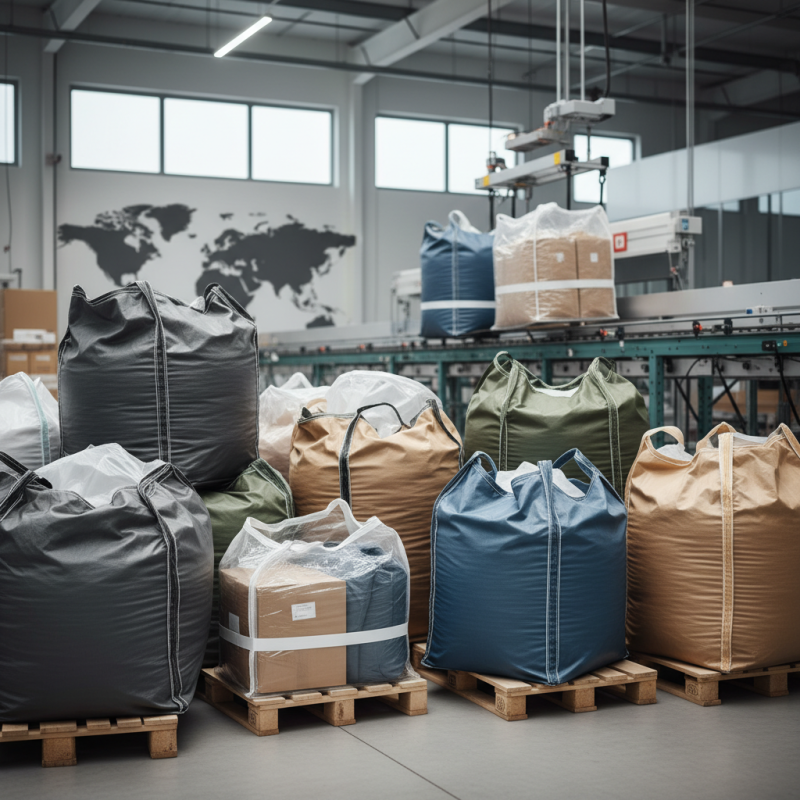
In 2026, large shipping bags are expected to play a vital role in global logistics. Industry reports indicate that the demand for these bags has surged by 15% in recent years. This growth is particularly driven by the rise of e-commerce, which requires efficient packaging solutions. Large shipping bags are preferred for their lightweight and durable nature, which reduces shipping costs.
The materials used for manufacturing are evolving. Many companies are opting for eco-friendly options. In fact, around 40% of industry players are now using recycled materials. However, this transition presents challenges. Not all recycled materials offer the same strength or reliability as traditional options. This inconsistency can lead to increased damage during transportation, prompting buyers to rethink their sourcing strategies.
Cost factors also play a significant role. Despite the increase in demand, prices for large shipping bags have fluctuated. Recent data suggests that costs could rise by 10% due to material shortages. Buyers face the dilemma of balancing quality with affordability. It raises questions about long-term partnerships with suppliers. Understanding these dynamics is crucial for making informed decisions in the rapidly changing shipping landscape.
Key Features to Consider in Large Shipping Bags
When selecting large shipping bags, it’s critical to consider several key features. Durability is paramount. A robust bag can withstand the rigors of transit, protecting contents from damage. Materials like polyethylene or woven polypropylene often offer the strength needed for heavy or bulky items. Look for bags with reinforced seams for added security.
Another essential factor is size and capacity. Large shipping bags can vary significantly in dimensions. Selecting the correct size ensures that items fit snugly, reducing movement and potential damage. Measuring the items you plan to ship will help you make a more informed decision.
Additionally, consider the sealing mechanism. Options include self-sealing, heat-seal, or zip closures. Each has its pros and cons. Self-sealing bags are quicker to use but may not be as secure as heat-sealed options for heavier shipments. Keep in mind, some bags may not be waterproof, which could lead to issues during transit. Always evaluate your shipping needs carefully.
2026 Top Large Shipping Bags - Key Features Comparison
Sustainability Trends in Shipping Bag Production
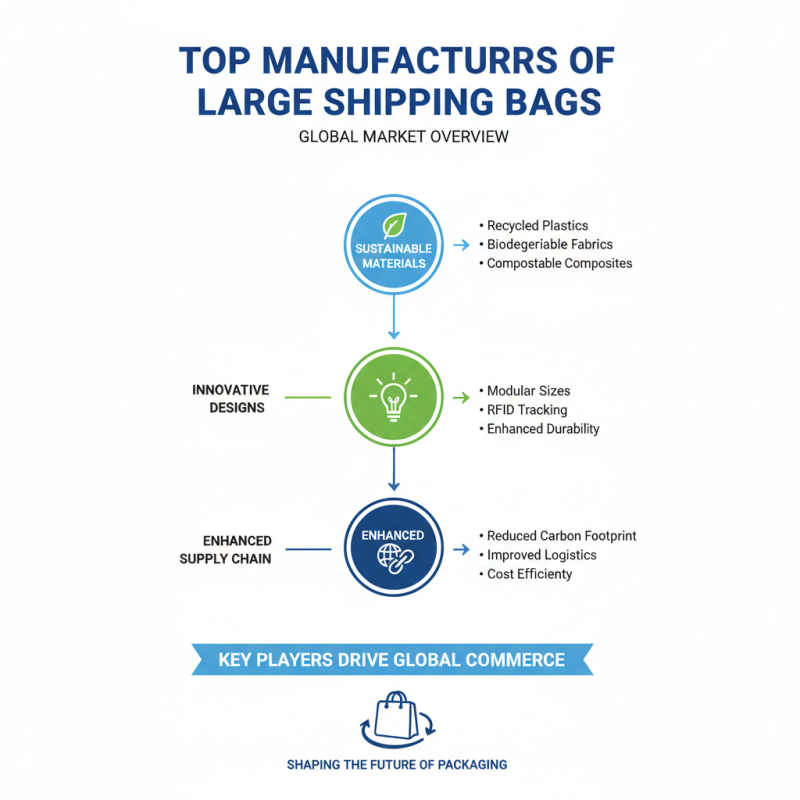
Sustainability has become a crucial focus in the shipping bag industry. Many manufacturers are exploring eco-friendly materials. This shift is not just a trend but a necessity. Traditional plastics contribute significantly to pollution. Sustainable alternatives, such as biodegradable and recycled materials, are gaining traction.
Production methods are also changing. Companies are adopting energy-efficient processes. This reduces the overall carbon footprint. Some are even implementing water recycling systems. Despite advancements, challenges remain. The transition can be costly. Not all manufacturers are on board. This inconsistency can lead to confusion for buyers.
Education is essential for buyers. Understanding the impact of shipping bags is vital. Awareness of sustainability trends can guide purchasing decisions. Buyers should seek transparent information about materials and processes. Sustainable shipping bags can enhance brand reputation. They show commitment to environmental responsibility. However, the journey toward full sustainability is ongoing. Improvements are needed across the industry.
2026 Top Large Shipping Bags for Global Buyers - Sustainability Trends in Shipping Bag Production
| Bag Type |
Material |
Size (L x W in cm) |
Recyclability |
Sustainability Score (1-10) |
| Polypropylene Bags |
PP (Polypropylene) |
60 x 40 |
Yes |
8 |
| Kraft Paper Bags |
Brown Craft Paper |
50 x 30 |
Yes |
9 |
| Biodegradable Bags |
PLA (Polylactic Acid) |
70 x 50 |
Yes |
10 |
| Recycled Plastic Bags |
Recycled PET |
75 x 55 |
Yes |
7 |
| Woven Polypropylene Bags |
Woven PP |
80 x 60 |
Yes |
8 |
Cost Analysis of Large Shipping Bags for International Buyers
When considering large shipping bags for international transport, cost analysis is crucial. Buyers often seek the best balance between quality and price. The material type and bag size significantly influence pricing. Understanding these factors helps buyers make informed decisions.
Tips: Compare at least three suppliers. Gather quotes and specifications. This allows for a precise comparison. Sometimes, cheaper options may compromise durability, leading to higher long-term costs. Also, consider shipping costs when evaluating prices.
It's vital to remember that low upfront costs can mask hidden expenses. Some low-quality bags may result in damaged goods during transit. This will inflate costs unexpectedly. Investing in quality shipping bags often pays off through better protection.
Stay informed about market trends and material innovations. Changes in regulations can affect availability and prices. Regularly reassess your needs based on shipment volume and product types. Keeping current can improve your purchasing strategy significantly.