Top 10 Shipping Packaging Solutions for Global Buyers?
In today's global marketplace, effective Shipping Packaging is crucial for businesses. The right packaging protects products during transit, ensuring they arrive safely at their destination. However, it can be challenging to find the best solutions that meet both cost and sustainability goals.
Shipping Packaging options vary widely, catering to different products and shipping methods. Many buyers face difficulties in selecting materials that are durable yet eco-friendly. As companies strive for efficiency, the demand for innovative packaging solutions grows. Buyers often overlook the importance of packaging design, which can significantly impact customer satisfaction.
Ultimately, the best Shipping Packaging solutions blend functionality with aesthetics. They should provide adequate protection while also reflecting the brand's values. It’s essential to continuously evaluate and refine packaging strategies. By doing so, businesses not only enhance their reputation but also contribute to a more sustainable future.

Key Considerations for Choosing Shipping Packaging Solutions
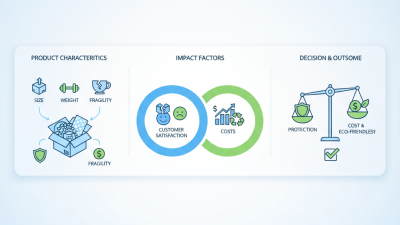
Choosing the right shipping packaging solutions is crucial for global buyers. The packaging protects products during transportation. It influences customer satisfaction and brand image. Effective packaging can reduce damage and returns.
When evaluating options, consider the type of product. Fragile items require cushioning materials. Durable packaging is essential for heavy products. Ensure the packaging is lightweight to minimize shipping costs.
**Tip:** Always test packaging with actual products. This helps identify weaknesses that could lead to damages.
Sustainability is an important factor today. Eco-friendly materials attract conscious consumers. They often prefer brands that demonstrate environmental responsibility. However, balancing cost and sustainability can be challenging.
**Tip:** Research local recycling options. This can enhance packaging appeal in target markets.
Ultimately, your choice reflects your brand values. Rethink conventional materials. Explore innovative solutions that meet both practical and ethical standards.
Top 10 Shipping Packaging Solutions for Global Buyers
Top Materials Used in Shipping Packaging: A Comparative Analysis
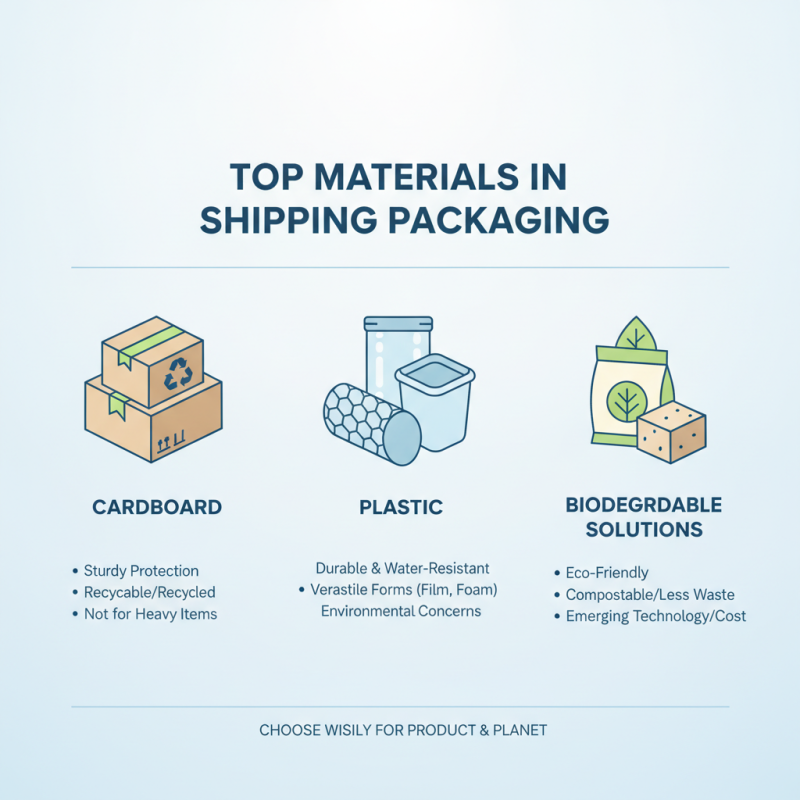
When it comes to shipping packaging, choosing the right materials is vital. Common options include cardboard, plastic, and biodegradable solutions. Cardboard is a sturdy choice for many products, offering excellent protection during transit. It's recyclable and often made from recycled materials, which adds an eco-friendly dimension. However, it may not be suitable for heavy items.
Plastic packaging, while versatile and durable, presents its own challenges. It is resistant to moisture and impact, but not biodegradable. Many buyers are now considering more sustainable alternatives. Biodegradable materials provide an attractive option, as they break down naturally and minimize environmental impact. Yet, these solutions can sometimes compromise on durability.
Investing in the right materials can make a significant difference. Cost, durability, and environmental impact should not be overlooked. Understanding the specific needs of your products is essential. A one-size-fits-all approach often leads to inefficiencies. Each material has its pros and cons. Careful evaluation is necessary to ensure satisfaction for both the buyer and the recipient.
Impact of Sustainable Packaging on Global Shipping Practices
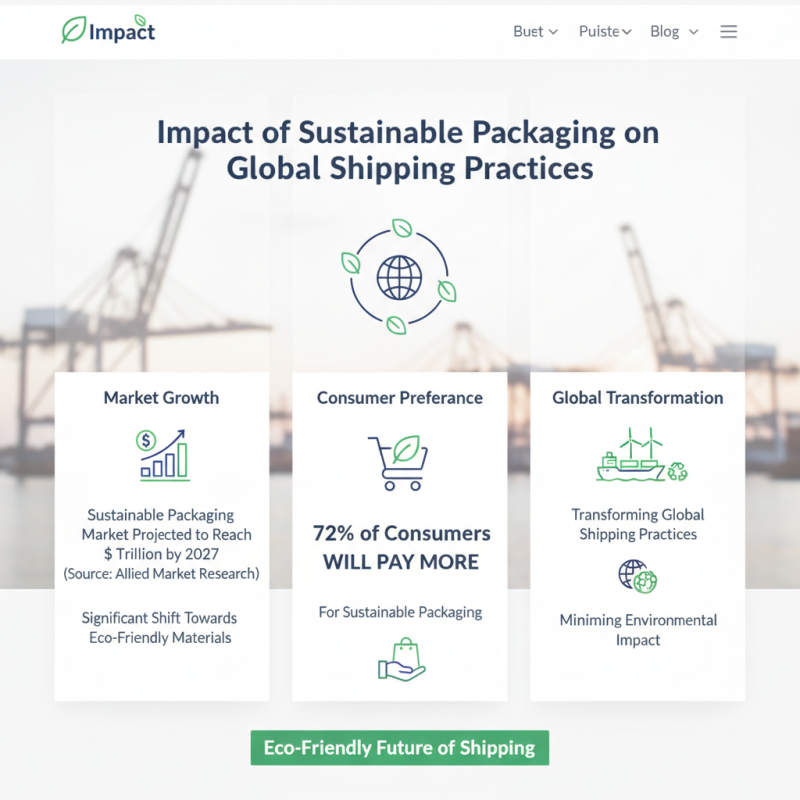
Sustainable packaging is transforming global shipping practices. According to a report by Allied Market Research, the sustainable packaging market is projected to reach $1 trillion by 2027. This growth reflects a significant shift towards eco-friendly materials. Many buyers favor packaging that minimizes environmental impact. For instance, 72% of consumers are willing to pay more for sustainable packaging.
The impact of sustainable packaging is clear. Companies utilizing biodegradable materials can reduce their carbon footprint significantly. A study from Intertek found that using recycled content in packaging can cut greenhouse gas emissions by up to 45%. However, challenges remain. Not all sustainable materials perform well in shipping, leading some businesses to hesitate in their adoption. There are concerns about durability and cost-effectiveness.
Moreover, supply chains need re-evaluation. Transitioning to sustainable practices often involves a learning curve. Many businesses face resistance due to existing logistics. They must consider how new materials affect their current operations. Balancing sustainability with practicality is crucial for long-term success.
Cost-Effectiveness of Various Shipping Packaging Solutions
Shipping packaging solutions play a crucial role in global trade. Choosing the right packaging can significantly impact cost effectiveness. Many companies aim to protect their products while minimizing expenses. However, the quest for the perfect solution can be challenging.
Eco-friendly materials have gained popularity. They often reduce costs in the long run. Using sustainable options may attract environmentally conscious consumers.
On the other hand, traditional packaging may be cheaper upfront but can lead to higher disposal costs and environmental issues. It’s essential to weigh the immediate costs against long-term expenses.
Innovative designs can enhance efficiency. Streamlined packaging reduces material usage and shipping fees. Yet, not all companies invest in new technologies. Some stick with outdated methods due to familiarity, which can lead to wasted resources and missed opportunities for savings. Making informed choices requires ongoing research and a willingness to adapt.
Trends in Customization for Packaging in International Shipping
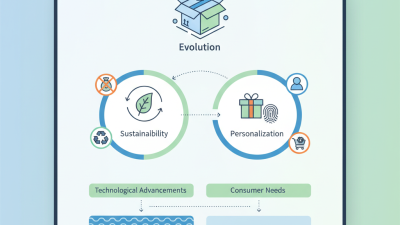
In the evolving landscape of international shipping, customization has taken center stage. Buyers increasingly seek tailored packaging solutions that reflect their brand identity and meet specific logistical needs. This trend goes beyond mere aesthetics, focusing on functionality and sustainability. For many businesses, personalized packaging is not just a choice; it's a necessity.
The demands for eco-friendly materials are growing. Consumers are more conscious of their carbon footprint. They prefer packaging that minimizes environmental impact. Custom designs can be optimized for space and protection, reducing waste during shipping. Nevertheless, this shift raises questions about the balance between customization and practicality. How far can companies go in personalizing their shipping solutions without sacrificing efficiency?
Additionally, technological advancements enable greater customization options. Digital printing techniques now allow for unique designs without significant setup costs. However, this accessibility can lead to over-customization. It's vital to consider whether every package needs to be customized or if standard solutions could suffice in certain cases. As businesses navigate these trends, the challenge remains to find the sweet spot between innovation and reliability.
Top 10 Shipping Packaging Solutions for Global Buyers - Trends in Customization for Packaging in International Shipping
| Packaging Type |
Material |
Sustainability Rating |
Customization Options |
Average Cost |
| Corrugated Boxes |
Kraft Paper |
High |
Printing, Sizing, Inserts |
$0.50 - $2.00 |
| Plastic Mailers |
Polyethylene |
Medium |
Color, Logo, Sizes |
$0.30 - $1.50 |
| Eco-Friendly Packaging |
Recycled Paper |
Very High |
Custom Shapes, Natural Inks |
$1.00 - $3.00 |
| Foam Packaging |
Polystyrene Foam |
Medium |
Padding Shapes, Sizes |
$0.80 - $2.50 |
| Shrink Wrap |
Polyolefin |
Low |
Printed, Sizes |
$0.20 - $1.00 |
| Glass Containers |
Glass |
Medium |
Custom Shapes, Labels |
$1.50 - $5.00 |
| Bubble Wrap |
Plastic |
Medium |
Size, Color Options |
$0.15 - $0.75 |
| Wooden Crates |
Plywood |
High |
Custom Sizes, Branding |
$10.00 - $30.00 |
| Tubes |
Cardboard |
High |
Custom Lengths, Colors |
$0.50 - $2.00 |
| Insulated Packaging |
Thermal Materials |
High |
Custom Sizes, Designs |
$2.00 - $6.00 |