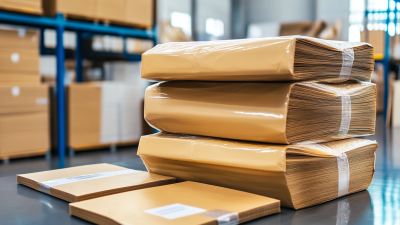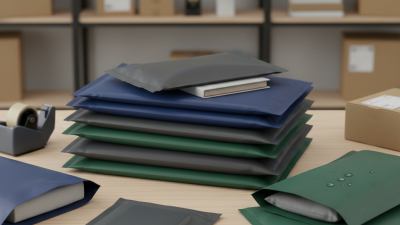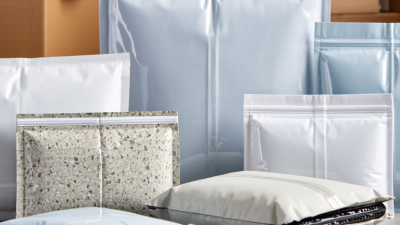

A poly mailer bag is a lightweight shipping envelope made from flexible plastic film, usually polyethylene. Poly Mailer Bags are commonly used to send clothing, soft goods, and other items that can tolerate some bending during transit. A folded T-shirt, for example, can fit snugly inside one without the bulk of a cardboard box. Many mailers include a peel-and-seal strip, while some have a padded lining for added cushioning. The basic versions are thin and unpadded. That matters.
Their main appeal is practical: they take up little storage space, weigh less than many boxes, and can help keep contents dry in ordinary shipping conditions. However, “water-resistant” does not mean waterproof, and a mailer is not a substitute for protective packaging. A ceramic mug or another fragile item usually needs proper cushioning and a sturdier outer container. Fit matters, too. A bag that is stretched tightly around an item may split at the seams.
Choosing the right mailer depends on the product, its weight, and how it will be handled. Check the manufacturer’s size and weight guidance, and consider whether the closure is secure enough for the shipment. Recycling options also vary by location; many plastic film mailers are not accepted in standard curbside bins. It is easy to treat packaging as a small detail, but the right choice can reduce damage, waste, and unnecessary shipping bulk. Not always. A box is sometimes the better answer.
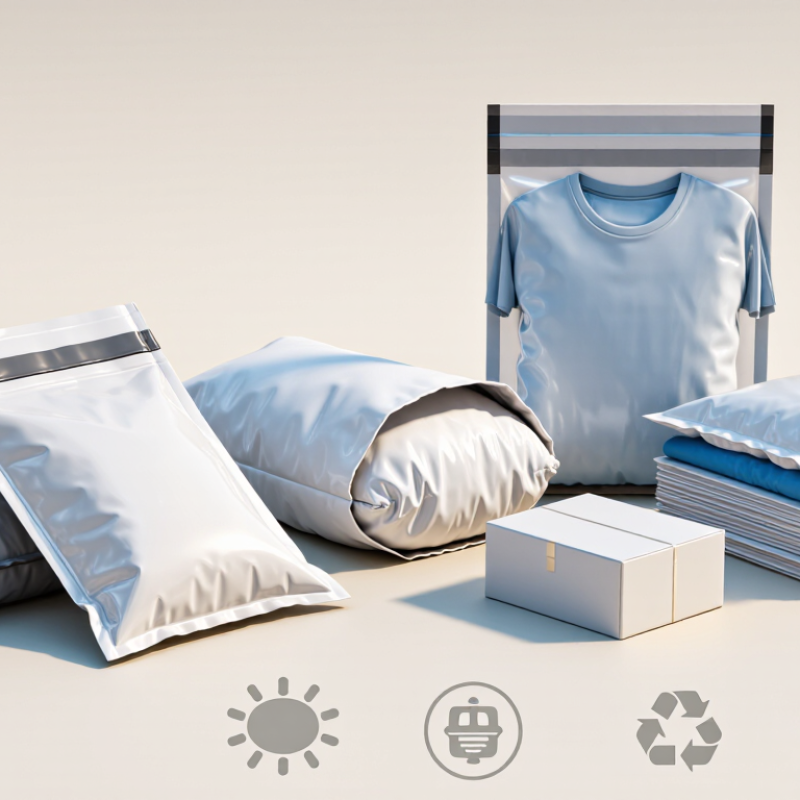
A poly mailer bag is a flexible shipping envelope made from thin polyethylene film. It usually has a fold-over flap with a pressure-sensitive adhesive strip, so the sender can seal it without tape. Lightweight. Smooth. Easy to store. Some versions include a bubble lining, while plain mailers use only a film layer. The material often resists light moisture and surface scuffs, but it should not be treated as fully waterproof or puncture-proof.
Poly mailers are commonly used for clothing, fabric items, and other goods that are soft, non-fragile, and able to bend without damage. A shirt placed inside may need little extra cushioning; a hard object with sharp corners can tear the film. Choose a size that leaves room to seal the flap without forcing the contents into the seams. If an item needs rigid support or impact protection, a box or padded packaging may be more suitable. One detail people sometimes overlook: a bag can look sturdy on a table yet flex considerably once filled. That trade-off is useful for keeping parcels light, but it does not replace careful packing.
A poly mailer is usually made from polyethylene film, a lightweight plastic that bends without easily tearing. Some mailers use several bonded layers, which can improve strength or help block moisture. The film may be clear, colored, or opaque; opaque versions conceal the package contents during ordinary handling. Recycled content is also available, though its appearance and performance can vary by product.
The bag’s features matter as much as its material. Look for sealed side seams, a peel-and-seal adhesive strip, and a thickness suited to the item being shipped. A soft T-shirt needs less protection than a book with sharp corners. The adhesive flap closes quickly, but the seal depends on clean, dry surfaces and firm pressure along the full edge. No film is magic. Polyethylene can resist splashes, but a poly mailer should not be treated as fully waterproof. Some designs show visible damage if someone opens and reseals them, yet that feature is not a substitute for secure packaging. A small sample test can reveal weak seams or a flap that lifts in cold conditions—details that are easy to miss when choosing by appearance alone.
A poly mailer protects parcels mainly by forming a light, flexible barrier around the contents. Its plastic film helps keep out ordinary rain, splashes, and dampness from handling surfaces. The self-sealing strip closes the opening without tape, reducing gaps where moisture or dirt might enter. It is not waterproof in every situation. A soaked or damaged mailer can still let water through.
The snug fit also limits shifting during routine sorting and delivery. A smooth outer surface can reduce scuffing, while the bag’s flexibility helps it fit around clothing and other soft goods. That small detail matters. Still, the protection has limits. Poly mailers offer little cushioning against drops, crushing, or sharp corners. A folded shirt may travel safely in one; a delicate item usually needs padding or a rigid inner box. Choose a mailer that leaves room for a secure seal but not excessive movement. It is easy to assume thicker plastic solves everything, but fit, closure quality, and the item’s fragility matter too.
| Dimension | Description | How It Helps During Shipping | Important Limitation |
|---|---|---|---|
| What it is | A lightweight mailing bag made from flexible plastic film, commonly polyethylene. Some mailers use multiple film layers or an added lining. | The flexible construction makes the bag easy to store, fill, and seal. | Materials and construction vary, so protection levels are not identical across all mailers. |
| Typical uses | Shipping soft, non-fragile goods such as clothing, fabric items, and other products that do not need a rigid container. | The bag conforms to soft contents and can help keep them together in transit. | It is generally not a substitute for a box when an item needs structural support or crush protection. |
| Moisture protection | Plastic film resists water, and a properly closed mailer can help shield contents from rain, splashes, and damp handling. | It can reduce exposure to surface moisture during ordinary shipping conditions. | Do not assume every mailer is waterproof. The closure, seams, punctures, and handling conditions can allow water in. |
| Dust and dirt barrier | The closed film surrounds the contents and separates them from many external contaminants. | It helps keep items cleaner while they are handled and transported. | A torn or poorly sealed mailer may no longer provide an effective barrier. |
| Scuff and abrasion protection | The film forms an outer layer between the item and surfaces it may rub against. | It can help reduce surface scuffs on suitable soft goods. | Thin film offers limited resistance to sharp edges, punctures, and rough handling. |
| Closure and opening evidence | Many mailers use an adhesive strip to close the opening. Some designs have a tear strip or a closure intended to show opening. | A sealed opening helps keep the contents inside; a tear strip can make opening more convenient for the recipient. | Closure features differ. A standard adhesive seal does not guarantee tamper-proof protection. |
| Cushioning and impact protection | A standard poly mailer is a flexible outer bag, not a padded protective container. | It can contain an item but provides little protection against drops, crushing, or hard impacts. | Fragile or damage-sensitive items usually need suitable internal cushioning and a rigid outer package. |
| Privacy | Some mailers are opaque, while others may be partly or fully transparent. | An opaque design can help conceal the contents from view. | Privacy depends on the film and its opacity; it should not be assumed for every mailer. |
| Recycling considerations | Many poly mailers are made from flexible plastic film. | Some areas or retail collection programs accept certain plastic films for recycling. | Acceptance varies by location and mailer composition. Check local instructions and remove labels if required. |
Practical takeaway: Poly mailers are useful for lightweight, flexible, non-fragile goods. Choose packaging with additional cushioning or a rigid container when an item needs impact, puncture, or crush protection.
Poly mailers are commonly used for clothing, such as T-shirts, leggings, and lightweight sweaters. Their flexible shape fits folded garments without leaving much empty space. Retailers also use them for socks, scarves, fabric accessories, and small, non-fragile household textiles like pillowcases. These products can usually travel without a rigid box. A mailer is not magic, though: sharp hardware or rough edges can puncture it.
The U.S. Census Bureau reported that e-commerce sales reached $352.9 billion in the fourth quarter of 2024, equal to 16.1% of total retail sales. That report measures online sales, not packaging choices, but it shows the scale of goods moving through fulfillment networks. Lightweight apparel and other soft goods are practical candidates for mailers because they compress easily and need less structural protection than glassware or electronics. Some items still need a padded or boxed option.
Tips: Fold garments so corners do not press against the film, and choose a mailer that leaves room for a secure seal. Use a tear-resistant, water-resistant mailer for ordinary transit exposure. For books, check the corners; they can bend in a thin bag. The best choice depends on the product, not just its weight. A quick test with the actual packed item can reveal weak seams before shipping.
Poly mailers are commonly used for lightweight, flexible items such as clothing and accessories. The chart shows approximate weights for individual examples, not shipping-industry averages.
Item weights vary by size and material. Poly mailers are best suited to non-fragile goods; books or other items that can bend may need added protection.
A poly mailer is a flexible plastic envelope used to ship soft, non-fragile goods such as clothing, linens, and small accessories. It weighs little, takes up less storage space than a box, and resists rain and splashes. For a folded shirt, the difference is practical: less empty space to pack and no box corners to crush.
Those benefits have limits. Thin film can puncture on sharp edges, and it offers little cushioning for glass, electronics, or other delicate items. A mailer can also be difficult to recycle through ordinary curbside collection. The U.S. Environmental Protection Agency’s 2018 Advancing Sustainable Materials Management report estimated that about 4.2 million tons of plastic bags, sacks, and wraps were generated, while about 0.4 million tons were recycled—roughly 10%. This category includes more than shipping mailers, so it is not a mailer-specific recycling rate. Still, it signals a real end-of-life challenge.
Choosing a mailer depends on the item and the local recycling route. A padded version may protect better, but its mixed materials can complicate sorting. Some stores collect clean plastic film for recycling; acceptance varies, and food residue or labels may interfere. The convenient option is not automatically the better one. Test the package with the actual product, especially if it has hard corners.