
FAQjuan

10 Best Reusable Bags for Wholesale Buyers

Choosing the right Reusable Bags can shape a buyer’s margins, brand image, and customer experience. Wholesale buyers need more than attractive colors and low prices. They must examine fabric strength, stitching quality, handle comfort, printing accuracy, packaging, and delivery consistency. A bag that looks impressive in a product photo may feel weak after ten uses. That difference matters.

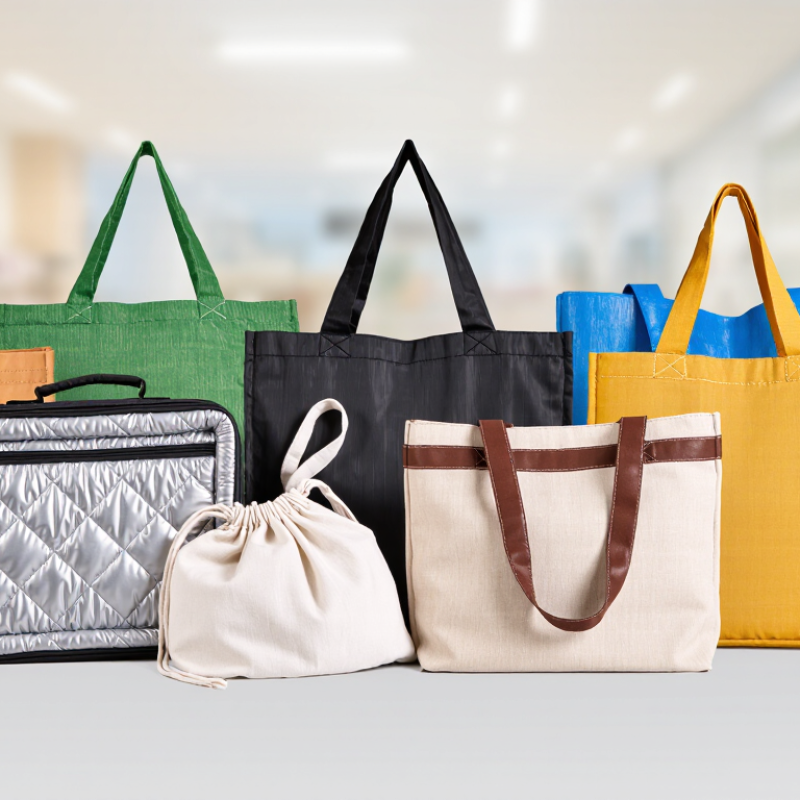
This guide explores 10 best Reusable Bags for wholesale buyers, based on practical sourcing considerations and everyday retail use. The selection includes cotton totes, non-woven bags, recycled options, insulated carriers, drawstring designs, and sturdy shopping bags. Each type serves a different purpose. Some fit grocery stores, while others suit trade shows, boutiques, events, or subscription orders. Buyers should compare weight capacity, dimensions, minimum order quantities, customization options, and care requirements before committing.

Details matter here.

Material certifications and supplier transparency can support more reliable purchasing decisions. However, no product is perfect. Recycled fabric may vary in texture, and heavier materials can increase shipping costs. Cotton may feel premium but may require more care. Even durable handles can fail when overloaded repeatedly. These limitations deserve honest attention. The best choice depends on the customer, budget, sales channel, and expected usage. Samples should be tested with real products, not just inspected on a screen. A careful trial order may prevent expensive inventory mistakes and reveal weaknesses early.
10 Best Reusable Bags for Wholesale Buyers

Wholesale Metrics: MOQ, Landed Cost, Capacity, and Reuse-Cycle ROI

10 Best Reusable Bags for Wholesale Buyers

Wholesale buyers should compare more than the unit price. I screen reusable bags by MOQ, landed cost, capacity, and expected reuse cycles. A low MOQ helps test demand, but it may increase production and shipping costs. Landed cost should include the bag, packaging, freight, duties, inspection, and warehouse handling. Request a written quotation with every charge listed. Hidden fees can change the ranking quickly.

Capacity needs a practical test. Fill each sample with common products, then measure weight, handle comfort, seam strength, and storage space. A 20-liter bag may hold enough groceries, but weak handles can reduce its real value. Estimate reuse-cycle ROI with this formula: landed cost divided by verified uses. For example, a $2 bag used 50 times costs four cents per use. That estimate is imperfect. Customer behavior varies, and some bags fail earlier than expected.

Tips: Order samples before accepting the MOQ. Test them with heavy cans, damp items, and repeated folding. Record failure points after 10, 25, and 50 uses. Ask suppliers for material specifications and test reports. Do not rely on capacity claims alone. I once favored a cheaper bag, but its bulky folded shape consumed more storage space. That mistake increased warehouse costs. Track the full operating picture.

Material Scorecard: Cotton, rPET, PP, and Nonwoven Bags by LCA Data

For wholesale buyers comparing the 10 best reusable bags, material choice should begin with LCA evidence, not appearance. Cotton feels premium, but its farming, irrigation, and processing burdens are substantial. The UK Environment Agency’s 2011 assessment estimated that a cotton bag may need 131 uses to match a conventional carrier bag’s climate impact. That figure changes with bag weight and washing habits.

rPET performs better when recycled content replaces virgin polyester, especially in lightweight totes. However, recycling systems and fiber shedding remain important concerns. Woven PP is durable and often suitable for repeated grocery use. Nonwoven PP costs less, but its lower strength can shorten service life. The Danish Environmental Protection Agency’s 2018 shopping-bag LCA also showed that reuse frequency strongly affects results. Numbers are conditional.

Ask suppliers for recycled-content percentages, fabric weight, factory energy data, and tested reuse cycles. A thick cotton tote may survive years, yet a buyer may not wash it correctly. That weakens its real-world advantage. I would not treat one LCA as universal truth. Regional electricity, transport distance, landfill practice, and consumer behavior can alter the ranking. For procurement, the strongest scorecard combines measured durability with credible environmental declarations. A lighter bag used repeatedly may outperform a heavier “eco” bag left in a cupboard. Practical details matter.

Ten Reusable Bag Formats Ranked by Load Capacity and Unit Economics

10 Best Reusable Bags for Wholesale Buyers

A practical wholesale ranking should weigh load capacity, repeat-use potential, and landed unit cost. Capacity estimates reflect common procurement specifications, not laboratory limits.

1. Woven polypropylene totes 15–25 kg, low unit cost, and strong shelf life.
2. Nonwoven polypropylene bags 8–15 kg, usually the best entry-level economics.
3. Recycled polyester totes 8–15 kg, compact, durable, and moderately priced.
4. Cotton canvas bags 10–20 kg, high strength, but higher material costs.
5. Jute bags 8–15 kg, rigid structure and medium-to-high pricing.
6. Laminated paper bags 5–10 kg, attractive economics for lighter retail loads.
7. Nylon foldable bags 5–12 kg, efficient shipping and small storage volume.
8. Recycled PET drawstring bags 3–8 kg, economical for promotional distribution.
9. Mesh produce bags 2–5 kg, inexpensive but unsuitable for dense loads.
10. Insulated reusable bags 5–12 kg, useful performance, yet higher conversion costs.

The UK Environment Agency’s 2011 life-cycle assessment found that reusable formats need repeated use to offset production impacts. Its results also showed large differences between cotton, nonwoven polypropylene, and conventional carrier bags. The Danish Environmental Protection Agency’s 2018 assessment similarly emphasized material choice and reuse frequency. Those findings make load planning essential.

A 20-kilogram tote used twice is weaker economics than a 10-kilogram bag used repeatedly. This is where buyers often miscalculate. Packaging weight, stitching quality, and return rates can change the real cost quickly. Trial orders should measure handle stretch, seam failure, and actual reuse before large-volume purchasing.

Compliance Framework: ISO 21898, REACH, EN 13432, and Food-Contact Rules

10 Best Reusable Bags for Wholesale Buyers

For wholesale buyers, compliance should guide every reusable bag decision. ISO 21898 is relevant when bags function as flexible intermediate bulk containers for non-dangerous goods. It covers construction, handling, testing, and safe working loads. It does not automatically certify shopping totes or food bags. Match the standard to the bag’s actual use.

REACH checks restricted substances in materials, coatings, dyes, and accessories. Request current declarations and test reports from the supplier. EN 13432 applies to industrially compostable packaging, not ordinary reusable fabric. Look for evidence covering the complete bag, including handles, inks, and stitching. Food-contact bags need applicable migration testing, traceability, and hygiene controls. Requirements may differ between markets. A certificate alone is not enough. Documents can be outdated, incomplete, or limited to one material batch. That detail is easy to miss.

Tips: Define the product’s load, temperature, moisture, and contact conditions before sampling. Ask for batch-level records, not only a general compliance letter. Inspect printed surfaces and seams during physical testing. Keep samples for comparison. A practical weakness remains: many buyers check paperwork carefully but test durability only once. Repeated washing, folding, and loading can expose failures that laboratory documents do not show. Review the evidence with an independent testing body when risk, volume, or food contact is significant.

Market Impact: UNEP’s 1 Trillion-Bag Estimate and Reuse Performance Data

10 Best Reusable Bags for Wholesale Buyers

A widely cited UNEP estimate places annual plastic bag use near one trillion worldwide. That figure gives wholesale buyers a practical warning: small purchasing choices can create large environmental effects. Reusable bags only reduce waste when customers use them repeatedly. One sale does not equal one avoided disposable bag.

For wholesale programs, the strongest options combine durable fabric, reinforced handles, stable stitching, and useful carrying capacity. Cotton bags suit grocery and retail use, but they require repeated use to offset their production impact. Recycled-fiber bags can reduce material demand, although quality varies between suppliers. Washable polypropylene bags often perform well in high-frequency shopping environments. They are light. They also need clear care instructions.

Our evaluation focuses on reuse performance, not appearance alone. We inspect handle strength, seam damage, washing results, folding space, and load comfort after repeated cycles. A bag surviving 50 uses may outperform a thinner option used only twice. Yet test conditions are never perfect. Real customers may overload bags, drag them across wet floors, or forget them at home. That uncertainty matters.

Wholesale buyers should request sample testing before placing large orders. Track failure rates across several weeks. Check whether printed surfaces crack or fade. Ask for material details and care guidance. The most responsible choice may not be the cheapest bag. It is the bag that customers repeatedly carry, clean, store, and trust.

10 Best Reusable Bags for Wholesale Buyers - Market Impact: UNEP’s 1 Trillion-Bag Estimate and Reuse Performance Data

Rank Bag Type Typical Material Typical Capacity Indicative Load Range Suggested Reuse Target Wholesale Strengths Best-Fit Retail Use
1 Recycled Nonwoven PP Tote Recycled polypropylene, 70–100 gsm 10–18 L 5–12 kg At least 20 shopping trips Low unit cost, lightweight, printable surface, compact shipping Supermarkets, events, convenience retail
2 Woven PP Shopping Bag Woven polypropylene, laminated or unlaminated 25–45 L 10–20 kg At least 50 shopping trips High durability, stable base, strong carrying handles Bulk groceries, household goods, warehouse retail
3 RPET Foldable Tote Recycled polyester from post-consumer PET 12–20 L 5–10 kg At least 30 shopping trips Compact storage, consistent fabric quality, good graphic detail Apparel, pharmacies, travel and promotional programs
4 Heavyweight Cotton Tote Woven cotton, approximately 250–350 gsm 12–20 L 7–15 kg At least 50 shopping trips Washable, long service life, premium tactile quality Bookstores, fashion, specialty food and gift retail
5 Jute or Burlap Market Bag Jute fiber with cotton or PP reinforcement 15–25 L 8–15 kg At least 40 shopping trips when kept dry Natural-fiber appearance, rigid structure, distinctive texture Farm shops, food markets, gift and lifestyle retail
6 Recycled LDPE Reusable Bag Recycled low-density polyethylene film 15–25 L 4–8 kg At least 10 shopping trips Water-resistant, inexpensive, very light, easy to wipe clean Produce, grocery checkout and wet-product retail
7 Organic Cotton Produce Bag Set Organic cotton mesh or lightweight woven cotton 3–8 L per bag 1–4 kg per bag At least 50 uses per bag Washable, breathable, reusable for unpackaged goods Fresh produce, bulk foods and zero-waste stores
8 Insulated Reusable Cooler Bag Polyester or RPET outer fabric, PE foam insulation, foil lining 15–30 L 6–12 kg At least 50 uses Protects chilled and frozen products, higher perceived value Grocery delivery, meal kits and frozen-food retail
9 Reusable Drawstring Backpack Polyester, recycled polyester or cotton canvas 8–16 L 3–8 kg At least 30 uses Hands-free carrying, low shipping volume, versatile promotion item Events, gyms, schools and casual retail
10 Reusable Foldable Crate Bag Coated woven PP or recycled polyester with reinforced frame 25–45 L 10–20 kg At least 100 uses Excellent load stability, repeated-use design, folds flat when empty Wholesale clubs, warehouse shopping and vehicle storage
Market and performance context: UNEP has cited global consumption estimates of approximately 1 trillion plastic bags per year in discussions of plastic pollution and the need to reduce single-use packaging. Reuse performance depends on material weight, construction quality, washing, repair, consumer behavior and end-of-life management. The reuse targets above are procurement benchmarks for product planning, not universal test results or environmental certification thresholds.
Reference basis: United Nations Environment Programme, Single-Use Plastics: A Roadmap for Sustainability; United Nations Environment Programme, From Pollution to Solution: A Global Assessment of Marine Litter and Plastic Pollution; Danish Environmental Protection Agency, Life Cycle Assessment of Grocery Carrier Bags; UK Environment Agency, reusable-carrier-bag life-cycle assessment guidance.