
Global buyers are rethinking what “top” means in the Reusable Bags market. Price still matters, but it cannot stand alone. A bag that tears after three shopping trips creates waste, customer complaints, and hidden replacement costs. The stronger choice combines tested durability, practical capacity, responsible materials, and credible supplier information.
Andrew Morlet, a circular-economy specialist and former CEO of the Ellen MacArthur Foundation, has stated, “We cannot recycle our way out of the plastic pollution crisis.” His warning is highly relevant to reusable purchasing. Recycling claims do not excuse poor design or short product life. Buyers should examine fabric weight, stitching density, handle reinforcement, wash performance, and realistic reuse cycles. A cotton tote may feel natural, yet its environmental value depends on repeated use and responsible production. Recycled polyester can perform well, but documentation matters. Look for traceable material records and recognized certifications, such as GRS or OEKO-TEX, when applicable.
The 2026 global market will not have one perfect bag. Retailers in rainy cities may need coated fabrics and stronger seams. Fresh-food buyers may prefer washable, odor-resistant designs. Promotional buyers may prioritize compact folding and color consistency. Some suppliers still present vague sustainability language. That deserves scrutiny. Even experienced buyers can misjudge actual demand, shipping volume, or end-of-life options. This guide compares leading Reusable Bags by performance, material transparency, usability, and total value, while acknowledging an uncomfortable truth: reusable does not automatically mean sustainable. The best result comes from repeated use, honest specifications, and purchasing decisions that survive real life.
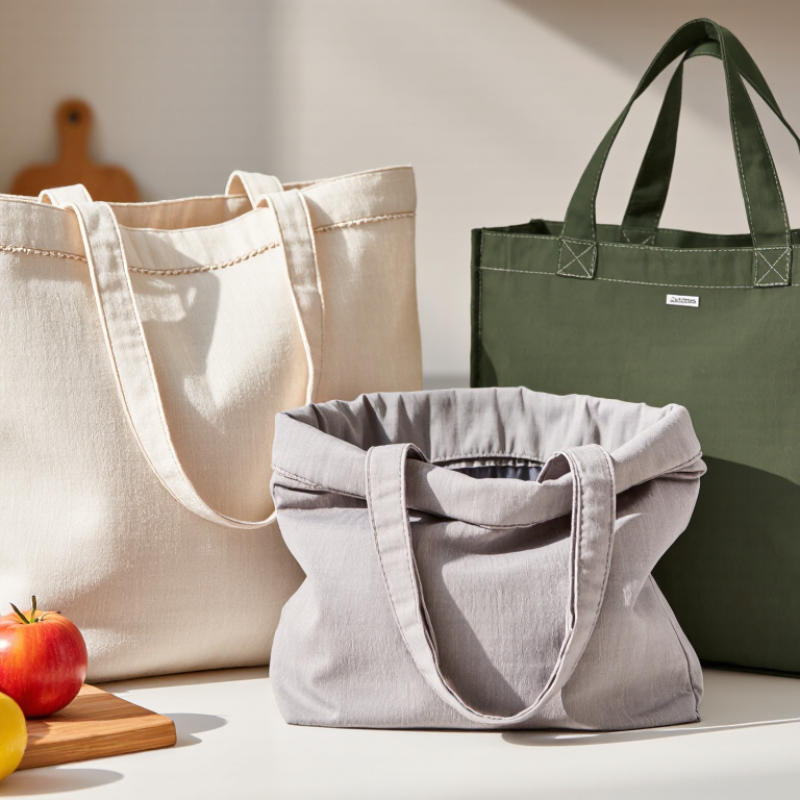
Reusable bags serve different buying situations in 2026. Recycled polypropylene woven bags suit weekly groceries because they are strong, washable, and fold reasonably well. Nonwoven polypropylene bags cost less and work for short campaigns or event distribution. They usually need careful reuse planning.
Cotton and canvas bags feel premium, but they are not automatically greener. The UK Environment Agency’s life-cycle assessment found that conventional cotton bags may require hundreds of uses to match a single-use carrier’s impact. That figure depends on washing, weight, and material sourcing. rPET bags offer a lighter retail option, especially for clothing or pharmacy purchases.
OECD’s Global Plastics Outlook reported 353 million tonnes of plastic waste in 2019, with only 9% recycled. Better bag selection matters, but disposal still matters more.
Tips: Ask for recycled content evidence, stitching samples, and a washing test before ordering. Check handle length with real products inside. A heavy cotton bag can surprise buyers. UNEP’s 2023 “Turning off the Tap” report says plastic pollution could fall 80% by 2040 through system-wide changes. Reuse is part of that change, not the whole answer. Avoid printing oversized logos when bags will be used daily. Smaller designs often age better. I would also question very cheap “eco” claims; certification and supplier records deserve closer review.
2026 Top Reusable Bags for Global Buyers
Material choice shapes a reusable bag’s strength, lifespan, and environmental performance. Recycled PET fabric is lightweight, water-resistant, and suitable for repeated retail use. Cotton offers a soft, natural feel, but it may require more water during cultivation and processing. Nonwoven polypropylene is affordable and resists tearing when properly stitched. Jute provides a textured appearance, although moisture can weaken it. No material wins every category.
Durability should be measured, not assumed. Buyers should request handle-load tests, seam-strength results, abrasion data, and wash or moisture testing. A reinforced handle feels minor during inspection. It matters after a full grocery load. Bags used daily need dense fabric, secure stitching, and stable dimensions. Still, environmental performance depends on actual reuse. A strong bag left in a warehouse creates little benefit. That is uncomfortable, but important.
Tips: Compare recycled content with verified documentation. Ask whether coatings affect recycling options. Check the bag’s expected number of uses. Consider shipping weight, packaging, and end-of-life routes. A cotton bag may need many uses to offset production impacts. Regional recycling systems also differ. Therefore, avoid broad “eco-friendly” claims without lifecycle evidence, test reports, or supplier traceability. One more issue remains: buyers often focus on fabric and overlook printing inks, trims, and transport.
2026 Top Reusable Bags for Global Buyers?
How to Evaluate Reusable Bags for Global Markets
Choosing reusable bags for global markets requires more than checking fabric weight or appearance. In my sourcing reviews, I examine stitching, handle strength, odor, printing quality, and storage performance. A bag may look durable but fail after repeated folding. Test it with realistic loads, such as groceries, books, or small cartons. Measure it empty. Then test it again after washing.
Material selection should match the buyer’s use case. Recycled polyester is lightweight and suitable for compact packaging, while cotton offers a softer hand feel but may shrink. Nonwoven materials can reduce cost, yet weak seams often become visible at the corners. Check the fabric’s thickness, colorfastness, tear resistance, and moisture response. Ask suppliers for clear test reports and production samples, not only digital images. Details expose weak sampling.
Global buyers should also review dimensions, packing methods, labeling space, and shipment conditions. A handle that feels comfortable in a showroom may cut into the hand when carrying 10 kilograms. Request a pre-production sample and inspect several units from the same batch. One sample is not enough. I have seen attractive samples hide uneven stitching in bulk production. That risk deserves attention. Buyers should verify applicable market requirements independently, because documentation, materials, and labeling expectations can differ by destination.
Estimated reuse cycles required to achieve a lower climate impact than a conventional single-use HDPE carrier bag. Cotton bags generally require substantially more reuse cycles, while paper, LDPE, and non-woven polypropylene bags reach the break-even point sooner. Actual results vary by material weight, manufacturing process, transport distance, washing, and end-of-life treatment.
Reference basis: UK Environment Agency life-cycle assessment comparisons, commonly cited in reusable-bag sustainability evaluations.
2026 Top Reusable Bags for Global Buyers?
Top Reusable Bag Features by Buyer Requirements
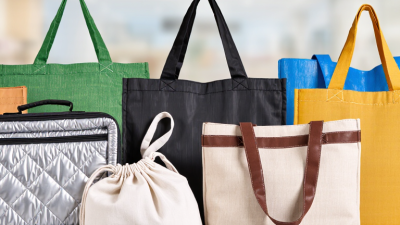
Global buyers rarely need the same reusable bag. A grocery chain may prioritize strength, while a conference organizer may value compact storage. Start with the use case, expected load, carrying distance, and cleaning routine. Cotton suits a soft, premium feel, while recycled polyester offers lighter weight and faster drying. Some buyers prefer woven polypropylene for repeated shopping trips. Material choice is practical, not decorative.
Our purchasing checks usually begin with handle strength and seam quality. A bag can look excellent and still fail at the corners. Ask for sample testing with the intended load, including short drops and repeated lifting. Measure the bag after washing if cleaning is part of daily use. Print durability matters too. Rub the artwork with a damp cloth. Fading is a quiet complaint.
Small details affect international orders. Confirm dimensions in centimeters and inches, packed volume, carton strength, and labeling requirements. Buyers should request material composition records and production inspection results. Traceable documents make supplier conversations clearer. They also reduce surprises during internal reviews. Still, recycled content claims may require careful verification. Trust should be checked, not assumed.
No bag fits every market. A larger handle may help winter clothing, but it can waste material for small purchases. A foldable design saves shelf space, yet its stitching may need more attention. We once underestimated packaging moisture during storage. That mistake changed how samples are reviewed. Practical feedback often improves a specification more than a polished sales sheet.
| Buyer Requirement | Recommended Bag Type | Typical Material | Common Fabric Weight | Typical Load Capacity | Typical Reuse Target | Key Performance Features | Recommended Customization | Useful Compliance Documents | Main Purchasing Considerations |
|---|---|---|---|---|---|---|---|---|---|
| Lowest unit cost for high-volume retail distribution | Nonwoven shopping bag | Polypropylene (PP), nonwoven | 70–100 g/m² | 5–10 kg | Approximately 20–50 uses when properly handled | Lightweight, foldable, quick to produce, suitable for short-distance shopping | Flat handles Heat-sealed or stitched seams 1–4 color printing | REACH-related material declaration; azo-dye declaration where required; factory quality inspection | Confirm handle strength, seam quality, odor, colorfastness, and actual fabric weight before mass production |
| Higher carrying strength for supermarkets and grocery stores | Woven shopping or grocery bag | Laminated or unlaminated PP woven fabric | 90–140 g/m² | 10–20 kg | 50 or more uses with reinforced construction | High tear resistance, strong base, good dimensional stability, moisture resistance | Gusseted sides Bottom insert Reinforced handles | Recycled-content verification if applicable; REACH-related declaration; load-test report | Specify handle attachment method, base reinforcement, laminate thickness, and tested load rather than fabric weight alone |
| Recycled-content positioning and sustainability reporting | Recycled polyester tote | Recycled PET (rPET) woven or nonwoven fabric | 80–140 g/m² | 5–12 kg | Approximately 30–100 uses, depending on construction | Uses post-consumer polyester feedstock, lightweight, printable, resistant to shrinking | Recycled-content label Long handles Interior pocket | Global Recycled Standard (GRS) certification or equivalent chain-of-custody evidence; chemical compliance documents | Verify the percentage of recycled content, certificate scope, recycled material source, and whether the finished bag is recyclable locally |
| Natural-fiber appearance for fashion, lifestyle, and promotional use | Cotton canvas tote | Cotton canvas | 8–12 oz, approximately 270–410 g/m² | 8–15 kg | Approximately 30–100 uses with proper washing and care | Soft hand feel, strong branding surface, washable, reusable for daily carrying | Screen printing Embroidery Inner pocket | OEKO-TEX Standard 100 where required; organic-content certification for organic cotton claims; azo-dye declaration | Control fabric shrinkage, color bleeding, print durability, handle length, and seam allowance |
| Premium natural look for gift packaging and specialty retail | Jute shopping bag | Jute fiber with cotton or polypropylene handles | 250–400 g/m² | 8–15 kg | Approximately 30 or more uses in dry conditions | Distinctive natural texture, rigid shape, strong visual presence, biodegradable plant fiber | Laminated interior Cotton handles Window or logo panel | Material composition declaration; pesticide or chemical compliance documentation where required | Protect from prolonged moisture, check odor and fiber shedding, and test handle stitching before shipment |
| Compact storage and repeated everyday use | Foldable polyester or nylon bag | Recycled or virgin polyester; nylon for higher abrasion resistance | 50–100 g/m² | 5–12 kg | Approximately 50–150 uses, depending on fabric and stitching | Very packable, low shipping volume, quick-drying, suitable for travel and emergency shopping | Elastic closure Attached pouch Zipper pocket | REACH-related declaration; recycled-content evidence when claimed; colorfastness testing | Test zipper life, pouch dimensions, folding method, abrasion resistance, and packed volume |
| Water resistance for outdoor, beach, and wet-product applications | Laminated reusable tote | PP nonwoven or polyester with PE, TPU, or similar coating | 80–150 g/m² before coating | 8–15 kg | Approximately 30–80 uses | Wipe-clean surface, improved resistance to splashes, structured shape, suitable for chilled or wet goods | Welded seams Wide base Insulated lining | Food-contact documentation if the bag directly touches food; coating chemical compliance; migration testing where applicable | Define whether the requirement is splash resistance, leak resistance, or thermal insulation; test coating adhesion and seam leakage |
| Food delivery, meal kits, and temperature-sensitive products | Insulated reusable delivery bag | Polyester or PP outer fabric with PE foam or other insulation layer | Outer fabric commonly 70–150 g/m² | 5–15 kg | Approximately 100 or more delivery cycles with reinforced construction | Thermal insulation, wipe-clean lining, leak-resistant interior, stable base, easy opening | Foam thickness selection Reflective lining Hook-and-loop closure | Food-contact suitability for relevant inner materials; insulation performance test; chemical compliance documents | Specify target holding time, ambient conditions, internal volume, cleaning method, and maximum payload |
| Premium corporate gifting and long-term brand visibility | Structured canvas or recycled-fabric tote | Heavy cotton canvas or recycled polyester canvas | 280–450 g/m² | 10–20 kg | Approximately 50–150 uses | Professional appearance, high print quality, durable handles, stable base, long service life | Metal hardware Zipper closure Padded handles | OEKO-TEX or recycled-content documentation where applicable; colorfastness and load-test reports | Prioritize pattern accuracy, print registration, hardware corrosion resistance, packaging, and final inspection standards |
| Plastic-bag reduction programs with measurable consumer reuse | Durable multi-use carrier bag | Reinforced PP woven, recycled polyester, or heavy cotton canvas | 120–250 g/m², depending on material | 10–20 kg | At least 50 intended uses when correctly designed and maintained | Reinforced stress points, comfortable handles, washable or wipe-clean surface, strong bottom construction | Load-care instructions Repairable components Reusable-packaging design | Independent load testing; material and chemical compliance documentation; recycled-content certification where claimed | Measure actual service life through handle, seam, abrasion, and repeated-load tests rather than relying only on marketing claims |
Note: The figures above are typical commercial specification ranges for product comparison. Actual load capacity, service life, recyclability, and compliance depend on material composition, construction, testing method, washing or cleaning conditions, and local regulations.
For global buyers in 2026, reusable bags are no longer simple promotional items. Buyers compare woven polypropylene, cotton, recycled polyester, and paper-based options by use and destination. A grocery bag needs strong handles and tested seams. A conference tote may prioritize print quality and compact packing. I have found that attractive samples can hide weak stitching. Ask for production samples, not only showroom pieces. Small details matter: handle width, odor, folding marks, and carton protection.
Compliance begins with traceable materials and clear claims. Request fiber or polymer composition, recycled-content evidence, colorant information, and recent laboratory reports. Requirements differ across importing markets, especially for labels, chemicals, food contact, and environmental statements. Your supplier should explain the testing scope and report dates. Social compliance records also improve reliability, although an audit alone proves little. Keep purchase specifications, approved samples, inspection photos, and corrective actions in one file. That file protects decisions when staff change.
Unit price is only one part of landed cost. Calculate sampling, tooling, inspection, inland transport, freight volume, duties, storage, and possible rework. A lighter bag may reduce freight, but it can fail under real loads. A thicker fabric costs more yet may support repeated use. Compare total cost per expected use, not price per piece. Negotiate realistic minimum order quantities and staggered deliveries. I sometimes underestimate delay risk. It happens. Build a modest buffer, then review it after the first shipment. Costs accumulate. Supplier communication remains a practical cost-control tool.