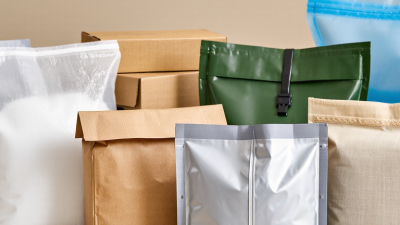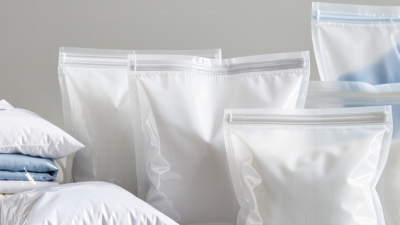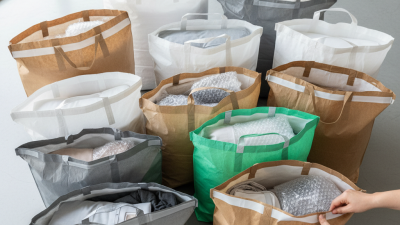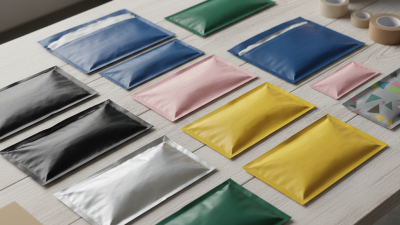

Choosing the right Apparel Shipping Bags can influence product protection, delivery costs, and customer satisfaction across international markets. A soft garment may arrive wrinkled, damp, or torn when its packaging is poorly matched to the journey. That risk increases during long-haul transport, warehouse handling, and seasonal weather changes.
This guide reviews 10 practical Apparel Shipping Bags for global buyers. It considers material strength, closure design, water resistance, size flexibility, branding options, and packing efficiency. Each factor matters. Small details matter too.
A reliable bag should protect folded shirts, dresses, jackets, or uniforms without adding unnecessary bulk. Recycled polyethylene, kraft-lined mailers, and reusable fabric options may suit different shipping models. However, sustainability claims require careful verification. A supplier’s certificate is useful, but it should not replace independent checks.
Real purchasing decisions also involve minimum order quantities, sample testing, production consistency, and shipping lead times. A bag that performs well in one climate may disappoint in another. That is easy to overlook.
The selections in this article are intended to support informed comparison, not promote one universal solution. Buyers should test samples with real garments, labels, and handling conditions before placing large orders. Check the seams. Test the adhesive. Measure the packed item.
Some options may appear cheaper initially but create higher costs through returns or damaged goods. Others may offer stronger protection but reduce packing speed. Reviewing these trade-offs helps global buyers choose Apparel Shipping Bags with greater confidence, clearer expectations, and more dependable results.

Apparel shipping bags are lightweight mailers designed to protect clothing during storage, sorting, and delivery. They usually combine tear resistance, water protection, and a secure adhesive seal. Some include a second seal for returns.
That small detail matters.
The global parcel network handled about 161 billion parcels in 2022, according to the Pitney Bowes Parcel Shipping Index 2023. Each parcel may face conveyor friction, compression, rain, and repeated handling. A strong bag helps prevent wet cartons, loose garments, and damaged labels. For global buyers, lower package weight can also reduce transport costs and emissions, although savings depend on destination and carrier rules.
Returns make the design more demanding. The 2023 NRF and Appriss Retail report estimated that 14.5% of retail sales were returned in the United States. A resealable apparel bag lets customers reuse the original packaging instead of finding another mailer.
I have seen poor bags split around zippers and sharp clothing tags. Material selection needs more testing than attractive product photos suggest. The Ellen MacArthur Foundation and World Economic Forum reported that only 14% of plastic packaging was collected for recycling in 2016. That figure is dated, but still a useful warning.
Buyers should check recycled content, recycling guidance, seal strength, and real transit samples before choosing bags for international apparel shipments.
Reliable apparel shipping bags begin with the right material. Virgin LDPE offers strong moisture resistance and flexible protection during long transit. Recycled polyethylene reduces dependence on new plastic, but quality can vary between suppliers. Test tear strength, seam strength, and puncture resistance before placing large orders. The OECD’s Global Plastics Outlook reports that only 9% of plastic waste was recycled globally in 2019. That figure makes material selection more than a marketing decision. Paper mailers can suit lightweight garments, yet humidity may weaken them. A perfect bag does not exist.
Practical features matter just as much. Choose a secure adhesive strip, clear shipping-label adhesion, and enough internal space to prevent crushed collars. Tamper-evident closures help reveal unwanted opening, while opaque surfaces protect product privacy. Bags should also pass distribution tests that simulate drops, vibration, compression, and temperature changes. The World Bank estimates that global waste reached 2.01 billion tonnes annually, with about 33% unmanaged. Therefore, avoid oversized packaging and request accurate material weights. Smaller bags often reduce both shipping volume and waste.
Tips: Ask for independent test results, recycled-content documentation, and sample shipments. Compare performance after rain exposure and rough handling. Do not trust “eco-friendly” wording alone. Some assumptions need checking. Review local recycling guidance, because accepted materials differ across destinations. Include return options only when the bag can survive another journey.
International clothing orders need shipping bags that protect fabric without adding unnecessary weight. The right bag should resist rain, dust, and rough handling during air or road transport. Strong seams matter, especially for denim, jackets, and multiple folded garments. Opaque material also protects customer privacy.
Poly mailers suit lightweight shirts, dresses, and knitwear. Recycled-content options can reduce material impact, though their quality differs between suppliers. Kraft-style bags feel premium but may weaken when exposed to moisture. For expensive or delicate clothing, use a padded inner layer and a durable outer mailer. Clear size markings help warehouse staff choose properly and prevent oversized packaging.
Tips: Test each bag with a real clothing order. Add a packing slip, and a return label. Press the package firmly, then inspect the seams. Small gaps often appear only under pressure. Choose waterproof adhesive strips, and leave enough surface space for address labels and customs information. Keep labels flat and readable. In practice, no bag performs perfectly in every climate. I once underestimated humidity, and the outer layer softened during storage. That mistake showed why sample testing across different routes is worth the extra time.
Choosing apparel shipping bags for global buyers requires more than comparing prices. Size, durability, security, and sustainability must match the garment and shipping conditions.
Start with the folded item, not the advertised bag dimensions. Measure its length, width, and thickness. Add two to three centimeters for easy packing and sealing. A bag that is too large may slide around and waste material. Too tight. It can stress the seams and wrinkle delicate fabric. Clear sizing charts are useful, but real packing tests remain more reliable.
Durability should be checked through practical handling. Inspect the film thickness, side seams, and adhesive strip. Press the filled bag against a sharp clothing edge, then test it with a light drop. It should resist tearing without feeling unnecessarily heavy. For security, choose opaque material and a closure that shows visible damage after opening. A second seal can provide extra protection during repeated handling. Still, no bag can guarantee perfect security. Packaging teams should record failed tests instead of hiding them.
Sustainability requires careful comparison. Look for recycled content, efficient sizing, and materials that support established local disposal systems. Single-material construction may simplify recycling, but recycling access differs between regions. Compostable claims also need verification. They are not automatically better. I once assumed the lightest bag was the most sustainable choice, but frequent tearing created more waste. The better decision balances resource use, performance, and honest end-of-life information.
| Rank | Shipping Bag Type | Typical Size Options | Recommended Apparel Use | Durability | Moisture & Puncture Protection | Security Features | Sustainability Profile | Best For |
|---|---|---|---|---|---|---|---|---|
| 1 | Recycled LDPE Mailer | 25 × 35 cm to 45 × 60 cm | T-shirts, knitwear, jeans, and lightweight multi-item orders | ★★★★☆ | Good water resistance and tear flexibility; moderate puncture resistance | Permanent tamper-evident adhesive strip | Made with post-consumer polyethylene; recyclable where suitable film-collection programs exist | Balanced protection and lower material impact |
| 2 | Co-Extruded Multi-Layer Poly Mailer | 25 × 35 cm to 50 × 70 cm | Retail apparel, outerwear, and orders requiring stronger sealing | ★★★★★ | Very good moisture, abrasion, and puncture resistance | Opaque film and tamper-evident closure | Lightweight design reduces transport weight; recycling depends on local flexible-plastic infrastructure | Long-distance and humid-climate shipping |
| 3 | Kraft Paper Mailer | 23 × 32 cm to 40 × 55 cm | Folded garments, fashion accessories, and dry-weather deliveries | ★★★☆☆ | Good tear resistance when dry; limited protection against prolonged moisture | Tamper-evident paper tape or adhesive flap | Usually paper-recyclable when clean and dry; often contains recycled fiber | Paper-focused packaging programs and short-to-medium routes |
| 4 | Corrugated Paper Mailer | 25 × 18 × 6 cm to 40 × 30 × 12 cm | Shoes, denim, structured garments, and boxed apparel | ★★★★★ | Excellent crush resistance and good puncture protection; not waterproof unless coated | Self-locking flaps and tear-open strip | Widely recyclable as paperboard if free from excessive contamination; uses more material than thin mailers | High-protection shipments and premium presentation |
| 5 | Recycled PP Woven Shipping Sack | 35 × 45 cm to 60 × 90 cm | Bulk uniforms, workwear, textiles, and large wholesale orders | ★★★★★ | High tear and abrasion resistance; good moisture resistance | Sewn or heat-sealed closure with opaque construction | Reusable several times; polypropylene recycling availability varies by region | Heavy apparel loads and reusable B2B logistics |
| 6 | Recycled PE Bubble-Lined Mailer | 20 × 30 cm to 35 × 50 cm | Small accessories, embellished garments, and delicate fashion items | ★★★★☆ | Good cushioning and moisture resistance; better impact protection than flat film | Opaque exterior and tamper-evident adhesive strip | Recycled content is possible; mixed-material construction can make recycling more difficult | Light cushioning without a rigid box |
| 7 | Reusable RPET Textile Mailer | 30 × 40 cm to 45 × 60 cm | Subscription apparel, returns, exchanges, and closed-loop delivery | ★★★★☆ | Good abrasion resistance; water resistance depends on fabric coating and zipper design | Zipper, hook-and-loop, or resealable closure | Designed for repeated use; made from recycled polyester, but not always accepted in textile recycling | Return-heavy programs and repeated customer use |
| 8 | Plant-Fiber Compostable Mailer | 25 × 35 cm to 45 × 60 cm | Lightweight clothing and brands with access to managed composting systems | ★★★☆☆ | Moderate moisture and tear resistance; performance varies by fiber blend and coating | Tamper-evident adhesive closure | Only compostable under the conditions stated by the supplier; industrial composting may be required | Markets with verified composting infrastructure |
| 9 | Recycled HDPE Drawstring Sack | 35 × 45 cm to 60 × 90 cm | Sportswear, uniforms, laundry-ready garments, and event apparel | ★★★★☆ | Good moisture resistance and high tensile strength; closure area needs reinforcement | Drawstring closure with opaque fabric | Reusable and potentially recyclable through suitable HDPE channels; recycled content varies | Reusable distribution and storage combined with shipping |
| 10 | Paper-Poly Hybrid Mailer | 25 × 35 cm to 45 × 60 cm | Folded apparel requiring a paper exterior and added moisture protection | ★★★★☆ | Better moisture resistance than standard paper; moderate puncture resistance | Opaque liner and tamper-evident adhesive flap | Paper recycling may be limited by the bonded plastic layer; verify local recycling requirements | Mixed protection and paper-look presentation |
Comparison basis: ratings are indicative and depend on film or paper thickness, seam construction, closure quality, package weight, handling conditions, and shipping route. Always confirm actual dimensions, material composition, recycled content, drop-test results, and end-of-life instructions with the supplier before placing a global order.
Choosing the right apparel shipping bag starts with the garment, not the marketing label. Measure folded shirts, jackets, or trousers before selecting a bag size. The package should fit closely without compressing delicate fabric. Extra space can cause shifting, wrinkles, and higher shipping costs.
In packaging trials, I check material thickness, seam strength, closure quality, and water resistance. Recycled polyethylene bags suit many everyday garments and protect against rain during transit. For premium clothing, a softer inner layer may reduce scuffing. A tamper-evident closure adds useful security. Test it.
Do not judge durability by thickness alone. A thin, well-sealed bag can outperform a thick bag with weak seams. I once chose a larger size for easier packing, but the loose fit created messy parcels. That mistake changed our packing guide. Test filled bags with real labels, folding methods, and carrier handling. Check whether barcodes remain flat and readable. Also consider storage space, return handling, and disposal instructions for customers. A reliable supplier should provide material details, sample bags, and consistent production standards. Ask for performance data, but verify it with your own trial. Small tests reveal problems that product descriptions hide.
Compare common apparel shipping bag formats by representative material thickness. Thicker materials generally provide greater puncture and tear resistance, while lighter options can reduce packaging weight and shipping volume.
The figures show representative specifications commonly used in apparel fulfillment. Actual performance depends on film structure, seal quality, bag dimensions, garment weight, moisture exposure, and handling conditions. Choose the lowest thickness that safely meets your product and shipping requirements.