
FAQjuan

How to Choose the Right Poly Mailer for Global Shipping?

Choosing the right Ploy Mailer for global shipping requires more than selecting the lowest price. The package must protect products through sorting centers, air transit, rain, compression, and repeated handling. A reliable mailer should use strong co-extruded plastic, consistent seams, and a tamper-evident adhesive strip. It should also fit the product closely without creating unnecessary empty space.

Practical testing makes the decision clearer. Place sample mailers under stacked cartons, expose them to moisture, and test the seal after temperature changes. A clothing seller may need a lightweight, opaque envelope, while cosmetics or small electronics may require extra cushioning. Fragile products need more than a standard mailer. That point is easy to overlook.

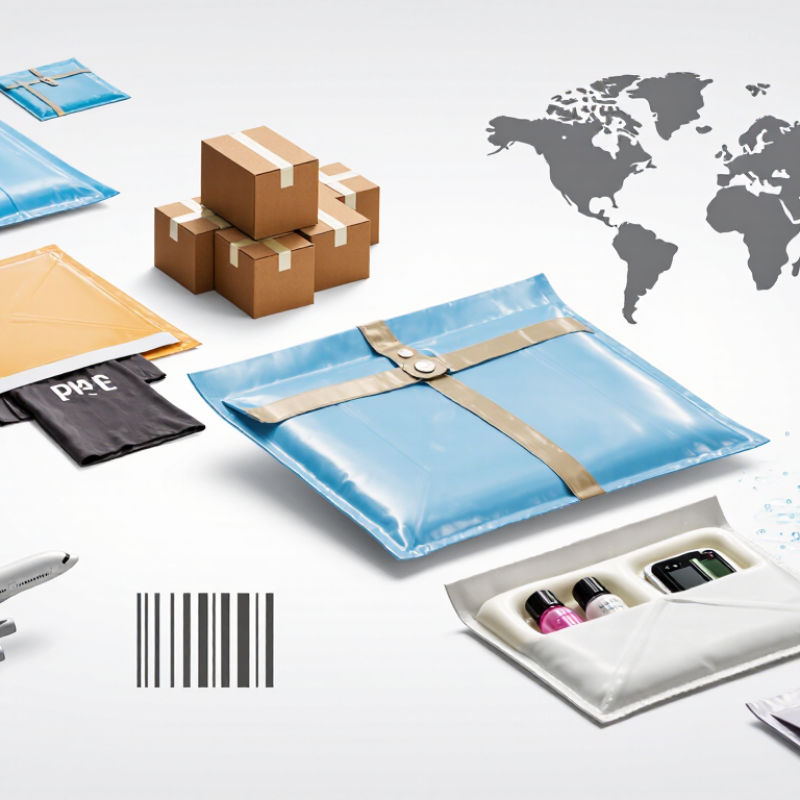
Global shipping also depends on accurate labels, readable barcodes, suitable dimensions, and complete customs information. The Ploy Mailer itself does not replace required documentation. Always confirm packaging, recycling, labeling, and import requirements with the carrier and destination authorities. Rules can differ between countries and may change over time.

Cost deserves careful attention. A thinner mailer may reduce shipping weight, but it can increase returns if seams split. A heavier design may protect better, yet create unnecessary material use. There is no universal choice. The right option balances product risk, destination conditions, sustainability goals, and verified supplier quality. Even experienced shipping teams should review real delivery feedback before making a final decision. Small failures often reveal what laboratory tests miss.
How to Choose the Right Poly Mailer for Global Shipping?

Define the Product, Destination, and Global Shipping Requirements

How to Choose the Right Poly Mailer for Global Shipping?

Define the Product, Destination, and Global Shipping Requirements

Start by defining the product clearly. A soft shirt needs different protection than a boxed accessory. Measure the item after folding, then allow room for sealing without crushing it. Check its weight, edges, and surface sensitivity. Sharp corners may need inner wrapping. Small items can shift inside an oversized mailer. They often arrive with avoidable creases.

Destination matters just as much. A shipment crossing humid seas may face condensation, while a winter route can bring brittle materials and rough handling. Review the destination’s climate, delivery distance, and postal network. A strong, water-resistant mailer helps, but it cannot replace proper internal protection. Choose a size that fits sorting equipment and reduces movement. Not every thicker bag performs better.

Global shipping requirements also include labels, customs information, tracking placement, and carrier limits. Confirm the latest rules for each destination before production. Requirements can change, and assumptions become expensive. Test filled mailers through drop, seal, and abrasion checks. Inspect the closure after repeated handling. A tamper-evident feature may improve security for suitable products, but it can raise costs and complicate returns. Balance protection, recyclability, storage space, and budget. There is no perfect specification; real shipping data should refine the choice.

Compare Poly Mailer Materials, Thicknesses, and Protective Features

Global parcel shipping is unforgiving. The Pitney Bowes Parcel Shipping Index 2023 recorded 161.8 billion parcels worldwide in 2022. Each package may face conveyors, rain, compression, and rough manual handling. Material choice matters more than appearance.

Standard polyethylene mailers are light, waterproof, and economical. Low-density polyethylene offers flexibility, while linear low-density polyethylene can improve puncture resistance. Recycled content reduces virgin plastic use, but quality can vary. Ask suppliers for recycled-content verification and consistent film testing. Thickness is usually measured in microns. A 60-micron mailer may suit soft clothing, but heavier items need stronger film or reinforcement. Thick does not always mean tough.

For fragile products, choose a bubble-lined mailer with sealed edges and a reliable adhesive closure. Air cushioning protects against scuffs and minor impacts, but it will not replace an outer carton for rigid or delicate goods. Tamper-evident seams, opaque film, tear strips, and water-resistant construction improve control during long routes. ASTM D1709 dart-impact testing and tear testing provide useful evidence, although laboratory results cannot perfectly copy global shipping conditions. In my packing trials, overfilled mailers failed near the corners first. I now leave expansion space and test samples on actual routes. That extra step feels inefficient. It prevents expensive assumptions. According to the International Safe Transit Association, package testing should reflect real distribution hazards, not only shelf presentation.

How to Choose the Right Poly Mailer for Global Shipping? — Compare Poly Mailer Materials, Thicknesses, and Protective Features

Thickness conversion: 1 mil = 25.4 microns. Actual performance depends on film formulation, seal quality, package dimensions, handling, and carrier conditions.
Mailer Type Typical Material Typical Thickness Protective Features Best-Suited Products Global Shipping Advantages Limitations and Selection Notes
Standard Poly Mailer Flexible LDPE film, sometimes blended with LLDPE for improved toughness 2.5–3 mil
64–76 microns
Water-resistant outer film, opaque surface, peel-and-seal closure, resistance to tearing under normal parcel handling Clothing, soft goods, textiles, books, and non-fragile accessories Low package weight and compact dimensions can help reduce dimensional and transport costs; protects contents from rain and surface moisture Provides little cushioning against impact or compression; use an inner protective layer for sharp-edged or delicate items
Heavy-Duty Poly Mailer Thicker LDPE/LLDPE film or multi-layer polyethylene film 4–6 mil
102–152 microns
Higher puncture and tear resistance, stronger seams, tamper-evident adhesive closure, water-resistant barrier Shoes, workwear, dense textiles, multiple garments, and packages with rough or angular surfaces Better tolerance for long transit routes, repeated handling, and variable warehouse conditions Uses more material and may cost more than standard film; it still does not replace rigid protection for fragile products
Co-Extruded Poly Mailer Two or more polyethylene layers engineered with different properties, such as toughness, sealability, and opacity 2.5–4 mil
64–102 microns
Balanced tear resistance, strong heat-seal or pressure-sensitive closure, improved puncture performance compared with basic thin film Mixed e-commerce orders, apparel, household goods, and shipments requiring a stronger film without excessive bulk Layer design can provide a useful strength-to-weight balance for international parcel networks Performance varies by layer structure and manufacturing quality; request test data rather than judging by thickness alone
Bubble-Lined Poly Mailer Polyethylene outer film combined with an air-filled polyethylene bubble lining 3–6 mil outer film
Commonly about 2–4 mm total construction
Moisture resistance, light cushioning, scuff protection, peel-and-seal closure, insulation from minor surface impacts Cosmetics, small electronics, accessories, ceramics with additional protection, and products sensitive to scratches Combines a flexible outer envelope with lightweight cushioning while remaining slimmer than many rigid boxes Not suitable for heavy compression, high-impact items, or products that require immobilization; bubble layers can lose cushioning after crushing
Recycled-Content Poly Mailer Polyethylene film containing post-consumer or post-industrial recycled content 2.5–4 mil
64–102 microns
Can offer the same basic features as conventional polyethylene mailers, including water resistance and adhesive closure Apparel, soft goods, subscription shipments, and brands with recycled-content procurement targets May reduce reliance on virgin plastic feedstock when the recycled content is verified and the mailer is accepted in the relevant recycling system Strength, appearance, and seal performance depend on recycled-content ratio and processing; verify certification and local end-of-life guidance
Compostable-Film Mailer Certified compostable polymer film, commonly based on bio-based or biodegradable polymer blends Typically 2.5–4 mil
64–102 microns
Light moisture barrier, adhesive closure, and tear resistance designed for soft goods; some products include compostability markings Lightweight apparel and promotional products where a suitable commercial composting route is available Can support a compostable-packaging program when accepted by the destination’s waste infrastructure “Compostable” does not mean home-compostable or recyclable with polyethylene; verify applicable certification, labeling, storage, and disposal requirements
Returnable Poly Mailer Durable polyethylene film with two separate adhesive strips 3–5 mil
76–127 microns
Original tamper-evident seal plus a second return seal, tear strip, opaque film, and water resistance Fashion, footwear, rental items, samples, and products with frequent return activity Enables customers to reuse the same envelope for returns, reducing the need for a second outer mailer Higher material and manufacturing cost; the return route still needs a suitable carrier label and adequate unused capacity

Practical selection rule: Choose the lightest film that passes your own drop, puncture, seal, and moisture tests. For fragile or heavy products, combine a poly mailer with an appropriately sized inner box, wrap, or molded protective insert.

Select the Right Size, Closure, and Customization Options

How to Choose the Right Poly Mailer for Global Shipping?

Select the Right Size, Closure, and Customization Options

Choosing a poly mailer starts with the item, not the shipping label. Measure the product after adding tissue, padding, or a protective sleeve. Leave enough room for sealing without forcing the contents inside. A snug fit reduces movement and can lower dimensional shipping costs. Oversized mailers often waste material and increase folding during transit. I once used a mailer that looked spacious, but its loose corners caused avoidable creasing.

Size matters.

Test a filled sample before ordering large quantities. Check whether sharp edges press against the film. For softer goods, a flexible mailer may work well. Fragile items need internal protection, because the mailer alone cannot absorb every impact. Closure quality also matters across changing climates. A strong peel-and-seal strip should close evenly on dusty-free surfaces. For repeated handling, consider a tamper-evident closure. It can show visible disturbance without making the package difficult to open.

Customization should support identification and handling. Print the return address area clearly, and keep essential information readable after bending. Simple colors may scan better than crowded artwork. If you use a logo or pattern, test it against low light and rain. Custom printing can also reveal a weakness: dense ink coverage may affect flexibility. I learned this after a sample developed small folds near the seal. A second test with lighter coverage performed better, though not perfectly. Leave room for improvement. Packaging conditions vary between warehouses, trucks, and humid delivery routes.

Evaluate Customs Labels, Sustainability, and Carrier Compatibility

How to Choose the Right Poly Mailer for Global Shipping?

Global parcel volumes make small packaging decisions operationally important. The 2023 Parcel Shipping Index recorded 161.1 billion parcels worldwide in 2022. A suitable poly mailer should protect products without blocking automated sorting.

Customs labeling deserves careful attention. Use a flat, visible document pouch for invoices and declarations. Include the accurate item description, HS code, country of origin, quantity, and declared value. Electronic pre-advice may also be required by postal systems. Label placement matters. Seams, folds, and glossy surfaces can reduce barcode scanning reliability. Test thermal labels after refrigeration, humidity, and long-distance handling. I have seen teams trust a sample too quickly. Real shipments are less forgiving.

Tips: Confirm each destination’s label rules before purchasing volume. Check maximum dimensions, closure strength, thickness, and barcode contrast with your main carriers. Choose recyclable or recycled-content film only when local recovery systems support it. The OECD’s Global Plastics Outlook (2022) reported that only 9% of plastic waste was recycled globally. That figure challenges easy sustainability claims. A recycled mailer is not automatically a circular solution. Request supplier evidence for recycled content, material composition, and disposal guidance. Keep a small test batch for drop, seal, and machine-sorting trials. Compatibility can vary between facilities, even on the same route.

How to Choose the Right Poly Mailer for Global Shipping?

Evaluate customs labels, sustainability, and carrier compatibility before selecting a mailer format.

The planning scores use a 1–5 checklist: external label surface, customs-document practicality, moisture protection, material identification, and disposal-route clarity. Paper mailers are typically identified as PAP 22, conventional poly mailers as LDPE resin code 4, and certified compostable mailers should reference applicable standards such as EN 13432 or ASTM D6400. Customs forms and carrier acceptance requirements vary by destination, so verify the final packaging and documentation rules before shipping.

Test Packaging Performance and Confirm the Final Choice

How to Choose the Right Poly Mailer for Global Shipping?

A poly mailer can look strong and still fail during international transport. Test it with the actual product, not an empty sample. Pack one unit tightly, then measure the remaining space. Excess movement often causes torn corners and crushed contents. Check the seal by pulling gently from several angles. It should stay closed without stretching the film excessively.

Test packages on a practical route. Drop them from table height onto concrete, then repeat with different corners facing down. Add compression by stacking packed parcels for 24 hours. Scratch the surface with keys or rough cardboard to examine puncture resistance. For longer routes, expose samples to humidity and temperature changes. I once tested only dry packages and missed weak seals after moisture exposure. That mistake changed our inspection process.

Tips: Record every result, including product weight, dimensions, and damage location. Test several sizes because performance can change with width. Ask a packaging specialist to review unclear failures. A slightly heavier mailer may reduce claims, but it can also increase shipping costs. Compare both results before choosing. Keep failed samples for future training. The best final choice is the one that protects the product consistently, not the one that feels strongest in your hand.