

What Are the Best Large Poly Mailers in 2026?
Large Poly Mailers can help protect bulky, soft goods while keeping packaging light and easy to store. But “large” means different things across suppliers, so dimensions deserve a close look. A mailer that fits a folded hoodie may not comfortably hold a blanket or several garments. Check usable interior measurements, not just the size printed on the product page.
This guide looks at the features that matter in 2026: film thickness, seam strength, closure quality, opacity, and resistance to everyday scuffs and moisture. It also considers pack quantities, cost per mailer, and whether recycled-content options are available. These details affect packing speed and presentation, but they do not guarantee performance in every shipping environment. A tidy listing is not the same as a tested package.
There is no perfect mailer for every shipment. The best choice depends on the item, how tightly it can be packed, and the handling it may face in transit. Before ordering a large case, compare dimensions and specifications, then consider testing a small sample with your own products. That extra check may feel tedious. It can also reveal a poor fit, a weak seal, or a closure that is awkward to use. The recommendations ahead aim to make those trade-offs clearer, rather than treating one product as the automatic winner.
What Large Poly Mailers Are and How They Are Used
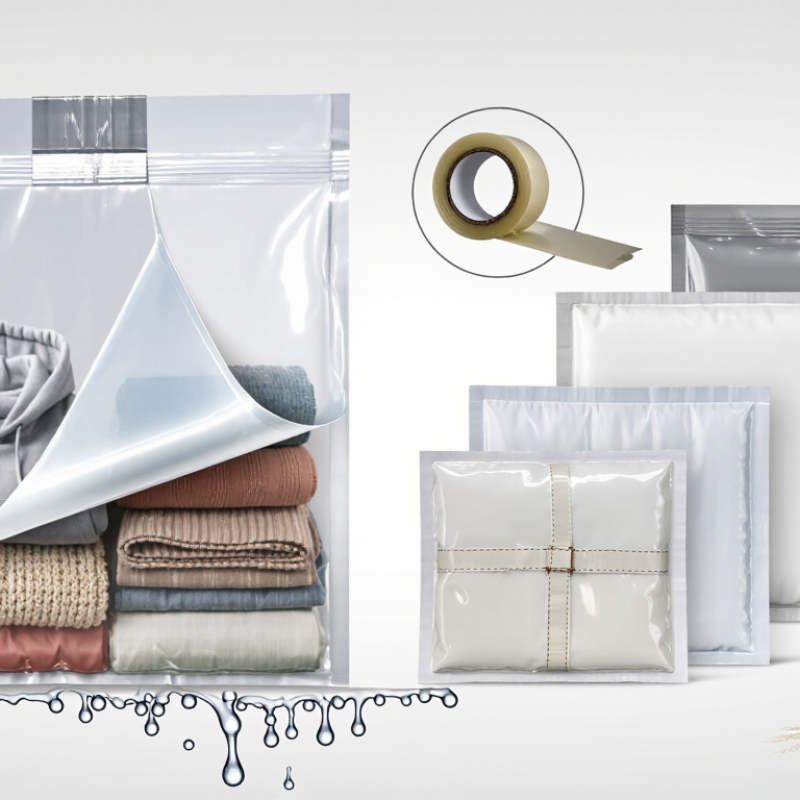
Large poly mailers are lightweight, flexible shipping envelopes made from layered plastic film. They suit soft, non-fragile goods that need protection from dirt and light moisture. Common examples include folded clothing, linens, fabric accessories, and other compressible items. A large mailer can reduce packing time and storage space compared with a box. It provides limited cushioning, though. Sharp corners and delicate items may need extra protection.
Mailers come in varied widths and lengths, so “large” is not a reliable measurement. Measure the packed item, including any protective wrap, and leave room for a secure seal. The mailer should fit closely without stretching across its seams. Too much space can let contents shift, while a tight fit may strain the closure. Check weight limits and seal specifications before shipping. A test pack can reveal awkward corners or a weak seal. It is easy to skip this check, but not every large mailer performs the same way.
Tips: Keep the sealing strip free of dust and fabric. Press the closure along its full length. For soft goods, remove excess air before sealing; avoid forcing the item inside. If the package bulges, try a larger size.
| Mailer Size (Approx.) | What It Is | Typical Uses | Selection Notes |
|---|---|---|---|
| 14.5 × 19 in | A roomy, lightweight polyethylene mailing bag with a self-sealing adhesive flap. | Several folded garments, a sweatshirt, or other soft items that fit without rigid packaging. | Useful when a standard apparel mailer is too small. Check the packed item’s thickness as well as its flat dimensions. |
| 19 × 24 in | A large, flexible mailer designed for bulky or multiple soft goods. | Lightweight jackets, several clothing items, or folded linens. | Choose enough width for the item to lie or fold comfortably; avoid forcing thick contents into the bag. |
| 24 × 24 in | A large square-format poly mailer that can accommodate broad, foldable items. | Small blankets, cushions, and other compressible household textiles. | Check the package’s final thickness and the carrier’s size limits. A square bag may not suit long or rigid products. |
| 24 × 36 in | An extra-large poly mailer for long or oversized soft products. | Large textile bundles, lightweight bedding, or multiple bulky garments. | Best for items that remain flexible. For sharp-edged, heavy, or fragile goods, consider a more protective package. |
| Custom or gusseted large sizes | A mailer made with a specified footprint or added expandable depth. | Bulky apparel, larger soft goods, or products with a consistent packing shape. | Confirm the usable interior dimensions, gusset depth, seal area, and manufacturing tolerances before ordering. |
| What large poly mailers are: Flexible shipping bags generally made from polyethylene film. Many have a pressure-sensitive adhesive strip for closing. They are lightweight and resistant to moisture, but they do not provide the rigid impact protection of a box. | |||
| How to choose: Measure the packed item, including its thickness, and leave room to insert and seal it without stretching the seams. Dimensions are commonly listed as width × length and can vary by supplier; verify the product’s usable interior size. Check local carrier rules for maximum parcel dimensions and weight. | |||
Related Posts
-
How to Choose the Best Poly Mailer Bags for Your Shipping Needs?
-
How to Choose the Best Poly Mailers for Your Business Needs?
-
How to Choose the Best Poly Mailers for Your Business?
-
Exploring the Unique Features and Applications of Premium Large Poly Mailers
-
5 Tips for Choosing the Best Large Poly Mailers for Your Shipping Needs
-
Understanding the Advantages of Poly Mailers for Your Shipping Needs


