How to Choose the Best Large Shipping Bags for Your Needs?
When selecting Large Shipping Bags, it can be daunting to navigate the options available. Industry expert Sarah Thompson, a logistics consultant with over 15 years of experience, emphasizes the importance of choosing wisely. She states, "The right shipping bag can save both time and money in logistics."
Understanding your specific needs is crucial. If you’re shipping fragile items, opt for padded or thicker materials. If weight is a concern, look for lightweight yet durable options. Many businesses overlook the significance of size; selecting the wrong dimensions can lead to increased shipping costs or damaged products.
Quality is essential. Reflect on your past shipping experiences. Were your items damaged? Did you face delays? These are indicators that your choice of Large Shipping Bags might need revisiting. Ensuring reliability will bolster your company’s reputation. Take the time to research and thoughtfully choose your shipping solutions. This will enhance efficiency and customer satisfaction.

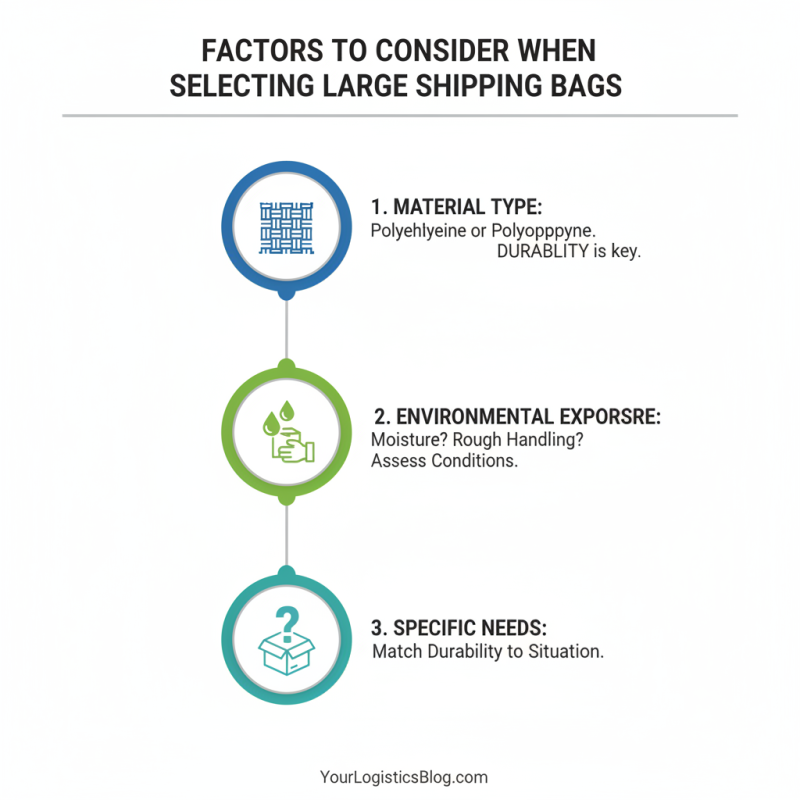
Factors to Consider When Selecting Large Shipping Bags
When selecting large shipping bags, consider the material. Durable options like polyethylene or polypropylene are often best. They should withstand various shipping conditions. Evaluate your specific needs. Will the bags be exposed to moisture or rough handling? Each situation demands different durability levels.
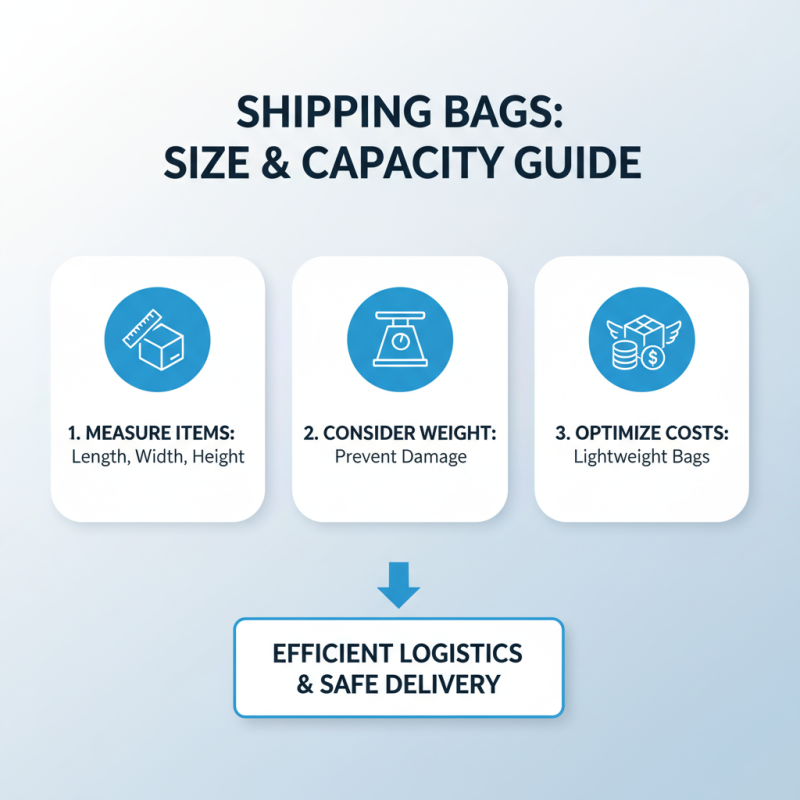
Size is another crucial factor. Measure your items carefully. A bag that’s too small can lead to damage. A bag that’s too large may waste resources. Think about ease of use as well. Ensure that the design allows for efficient packing. Some bags come with additional features like resealable openings. These conveniences can enhance functionality.
Don't overlook environmental impact. Biodegradable options are increasingly available. They help reduce waste and align with eco-friendly practices. However, they may not always provide the same strength. Balance your need for reliability with your commitment to sustainability. Remember, the best choice is one that meets your shipping requirements while being mindful of the planet.
Types of Materials Used in Large Shipping Bags
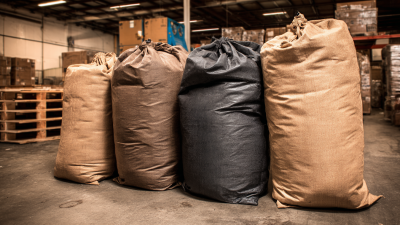
When selecting large shipping bags, material choice is crucial. Common materials include polyethylene, polypropylene, and paper. Polyethylene is popular for its moisture resistance. It's a lightweight option that protects against external elements. A 2022 market report indicated that polyethylene accounted for 40% of the global shipping bags market.
On the other hand, polypropylene is gaining traction due to its strength and durability. This material can handle heavier loads better than others. Research from the Flexible Packaging Association suggests that bags made from polypropylene can withstand significant wear and tear, extending their usability. Though paper bags offer sustainability, they are less durable in wet conditions.
Choosing the right material requires understanding your product's needs. For example, fragile items need cushioning, while perishables require moisture barriers. The ongoing debate about plastic versus recyclable materials continues to challenge businesses. Many organizations struggle to meet consumer demands while balancing environmental responsibilities. Thoughtful consideration of these materials can lead to better shipping solutions.
Evaluating Cost vs. Quality in Shipping Bag Options
When selecting large shipping bags, cost and quality are essential factors. It’s tempting to choose the cheapest option available, especially for bulk orders. However, low-cost bags may not withstand the rigors of transportation. They can tear easily, leading to damaged goods and increased costs. Evaluating your needs is critical. What are you shipping? How far will it travel? These questions can help gauge necessary durability.
Consider the materials used in the bags. Thick polyethylene can provide better protection than flimsy alternatives. But, remember, thicker doesn’t always mean better. Sometimes, overly robust materials can increase shipping weights, raising overall costs. Assessing the balance between price and reliability is vital. Should you compromise on quality for short-term savings? Think about your reputation and customer satisfaction. In the long run, investing in quality bags can enhance your brand image.
Don’t forget to review user feedback on shipping bags. Sometimes, this information serves as a crucial guide. Look for reviews on durability, ease of use, and protection levels. These insights may highlight unexpected weaknesses in seemingly strong options. In the end, reflection on past shipping experiences can inform better choices in the future. Aim for bags that protect your goods and bolster your credibility.
Comparing Cost vs. Quality of Large Shipping Bags
Environmental Considerations in Choosing Shipping Bags
Choosing shipping bags often overlooks environmental impact. Many businesses prioritize durability and cost. However, this narrow focus can lead to serious environmental consequences. According to a report from the Environmental Protection Agency, over 30 million tons of plastic waste end up in landfills annually.
Understanding material composition is crucial. Biodegradable options can reduce landfill waste significantly. A study from the Ellen MacArthur Foundation reveals that switching to alternative materials can decrease plastic emissions by 20-40%. This shift requires careful consideration. Not all biodegradable options break down effectively in landfills.
Recyclability is another critical factor. Bags made from recyclable materials can have a significant impact. Research indicates that increasing recycling rates by just 10% can cut greenhouse gas emissions by 1.3 million tons each year. However, many businesses lack recycling infrastructures. Without a clear plan for disposal, environmental benefits may not be realized. Companies need to reflect on their practices and seek sustainable solutions.
How to Choose the Best Large Shipping Bags for Your Needs? - Environmental Considerations in Choosing Shipping Bags
| Bag Material |
Size (inches) |
Weight Capacity (lbs) |
Recyclability |
Biodegradability |
| Polyethylene |
24 x 36 |
30 |
Yes |
No |
| Kraft Paper |
20 x 30 |
25 |
Yes |
Yes |
| Recycled Plastic |
28 x 40 |
35 |
Yes |
No |
| Biodegradable Plastic |
22 x 32 |
28 |
Yes |
Yes |
| Cotton |
26 x 38 |
40 |
Yes |
Yes |