How to Choose the Right Shipping Envelopes for Your Business?
In the fast-paced world of e-commerce, choosing the right shipping envelopes is crucial for business success. A recent study by the National Retail Federation reveals that nearly 60% of customers judge a brand based on its packaging. This statistic underscores the importance of using appropriate shipping envelopes that offer both protection and appeal.
Shipping envelopes come in various types, such as poly mailers and padded envelopes. Each type has its pros and cons, impacting shipping costs and customer satisfaction. For instance, poly mailers are lightweight and water-resistant, ideal for non-fragile items. However, they may not provide enough protection for delicate products.
Many businesses sometimes overlook the significance of selecting the right shipping envelopes. They may default to standard options, compromising quality for cost. However, investing in the right envelopes can enhance brand perception and reduce return rates. Overall, making informed choices about shipping envelopes is essential for maintaining a reliable and professional image.
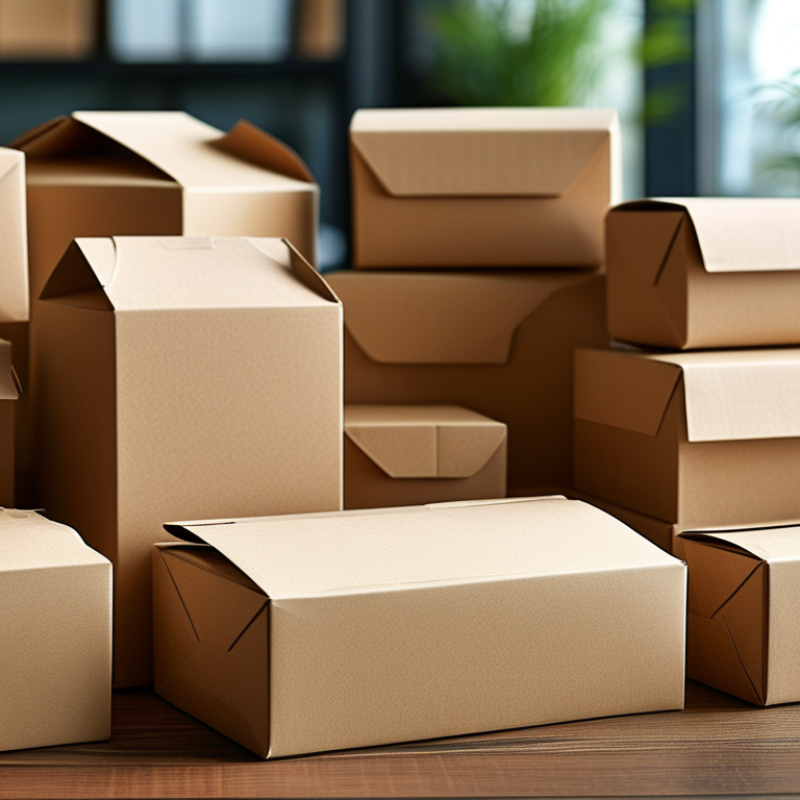
Understanding the Different Types of Shipping Envelopes Available
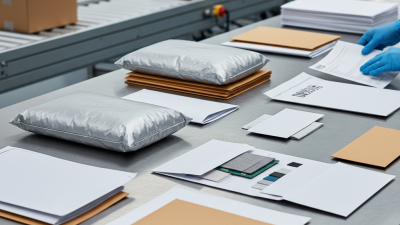
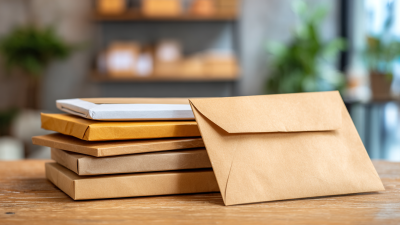
When it comes to shipping envelopes, understanding your options is crucial for your business. There are various types available, each with unique features. Poly mailers are lightweight and waterproof. They are ideal for clothing items or non-fragile products. These envelopes protect contents from moisture during transit. Paper envelopes are another choice. They are perfect for documents or gifts. However, they lack the same level of water resistance.
Bubble mailers combine padding with protection. They are great for fragile items. The cushion inside helps absorb shocks. Choosing the wrong envelope can lead to damaged goods. That’s a costly mistake for any business. Also, consider the size and weight. Oversized envelopes can increase shipping costs. Small changes in size can significantly impact expenses.
Reflecting on past experiences shows the importance of proper selection. Businesses sometimes prioritize cost over protection, only to face returns. It’s better to invest in the right materials upfront. Understanding the different types of shipping envelopes can set you apart from competitors. You’re not just sending products; you’re building trust with your customers. The right envelope enhances your brand’s reliability.
How to Choose the Right Shipping Envelopes for Your Business?
| Type of Envelope |
Material |
Size Options |
Best For |
Cost |
| Padded Envelopes |
Bubble Wrap |
Various sizes, e.g., 6x9, 9x12 |
Fragile items, electronics |
$0.50 - $2.00 |
| Rigid Mailers |
Cardboard |
Various sizes, e.g., 8.5x11 |
Document shipping, artwork |
$1.00 - $3.00 |
| Poly Mailers |
Plastic |
Multiple sizes, e.g., 10x13 |
Clothing, non-fragile items |
$0.30 - $1.50 |
| Kraft Envelopes |
Paper |
Various sizes, e.g., 6x9, 10x15 |
Documents, brochures |
$0.20 - $1.00 |
| Custom Envelopes |
Varies |
Custom sizes |
Branding, unique items |
Varies based on design |
Evaluating the Size and Weight Requirements for Your Shipments
When evaluating size and weight for shipping envelopes, it’s crucial to consider your products. Each item has a specific dimension and weight that demand careful selection. A small envelope for a lightweight document might suffice, while heavier items need sturdy options. Measure your products precisely. This step reduces the risk of damages during transit.
Opt for envelopes that fit your items snugly. A too-large envelope can allow movement, leading to potential damage. Conversely, a too-small envelope may not accommodate the product safely. It’s a balancing act. Consider adding protective materials like bubble wrap when needed. This extra layer can make a significant difference.
Don’t overlook the weight aspect. Shipping costs often depend on the weight of the envelope. Heavier materials will raise your expenses. Yet, underpacking risks damaging your items. Review your shipping strategy regularly. Look for patterns in weight and size that could be optimized. Experimentation can lead to better choices.
Choosing the Right Material for Shipping Envelopes: Pros and Cons
When selecting a shipping envelope, the material matters greatly. Each option has its own pros and cons. For instance, paper envelopes are biodegradable but may not offer the durability needed for fragile items. On the other hand, plastic envelopes are water-resistant and more tear-resistant, but they pose environmental concerns due to their non-biodegradable nature.
Consider how you plan to use the envelopes. If you ship items that are sensitive to moisture, plastic might be your best bet. If you ship documents or light items, a paper envelope will suffice. Always ensure the material aligns with your product's needs.
Tips: Test different materials on a small scale. Assess their performance through various shipping methods. This will help you identify which envelope suits your business best while also minimizing waste. Try packing a variety of items using different envelopes. Keep track of any damages or issues. Your experience will guide future decisions.
Assessing Your Branding Needs When Selecting Shipping Envelopes
When selecting shipping envelopes, your branding needs play a crucial role. Think about the impression you want to make. A sleek, professional design reflects a serious business. On the other hand, bright colors and unique shapes convey creativity. Choose envelopes that align with your brand identity.
Consider the materials of the envelopes. Eco-friendly options appeal to environmentally conscious customers. This shows your commitment to sustainability. However, sometimes these materials may be less durable. Evaluate whether your shipping needs align with your envelope choices.
Also, think about branding visibility. Custom-printed envelopes enhance brand recognition. Yet, this option may lead to higher costs. Weigh the benefits carefully. Remember, every envelope represents your business. Ensure it conveys the right message, even in its imperfections. This attention to detail can set you apart from competitors.
Cost Considerations: Balancing Quality and Budget for Shipping Solutions
When selecting shipping envelopes, cost is a significant factor. Balancing quality with budget is crucial. Research shows that about 79% of consumers expect their parcels to arrive undamaged. Investing in durable materials can minimize returns and damage complaints, leading to increased customer satisfaction.
Cost-effective solutions can still meet quality standards. For example, poly mailers are lightweight and often cheaper than traditional boxes. They can reduce shipping costs significantly, saving up to 30% on postage. However, it’s essential to consider that overly cheap materials can lead to poor protection. This could harm your brand’s reputation.
Tips: Opt for bulk purchases to lower costs. Evaluate your shipment sizes and choose envelope dimensions wisely. Pay attention to seal strength; effective adhesives ensure that envelopes remain secure during transit. Always balance low prices with functionality for the best results.