

How to Choose the Best Rigid Mailer for Your Shipping Needs?
Choosing the best rigid mailer for your shipping needs is crucial for ensuring your items arrive safely. According to industry expert John Smith, "A quality rigid mailer can make all the difference in protecting your products." This sentiment resonates with many businesses looking to optimize their shipping methods.
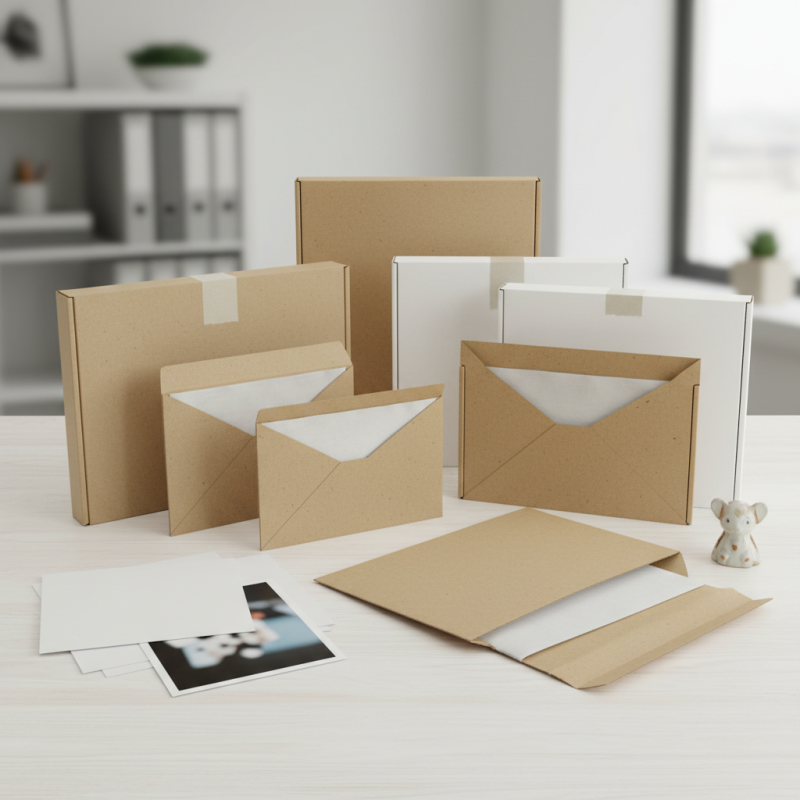
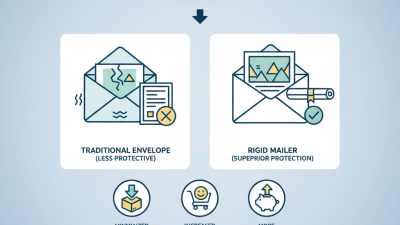
Rigid mailers provide excellent protection for fragile items. They are sturdy and resistant to bending. This is particularly important for mailing photographs, documents, or delicate merchandise. However, selecting the perfect rigid mailer isn't always straightforward. Many options exist, and not all are created equal.
Consider the size, thickness, and material of the mailer. A mailer too small may not adequately protect your items. Conversely, one that is oversized could waste your resources. Remember, every shipping decision matters. Reflecting on your choices can lead to better protection and a more professional presentation of your brand.
Factors to Consider When Choosing Rigid Mailers
When selecting rigid mailers for shipping, several factors come into play. The size of the item is crucial. Ensure that the mailer fits snugly without excess space. According to industry reports, improperly sized mailers account for 30% of shipping damages. This statistic emphasizes the importance of precise measurements.
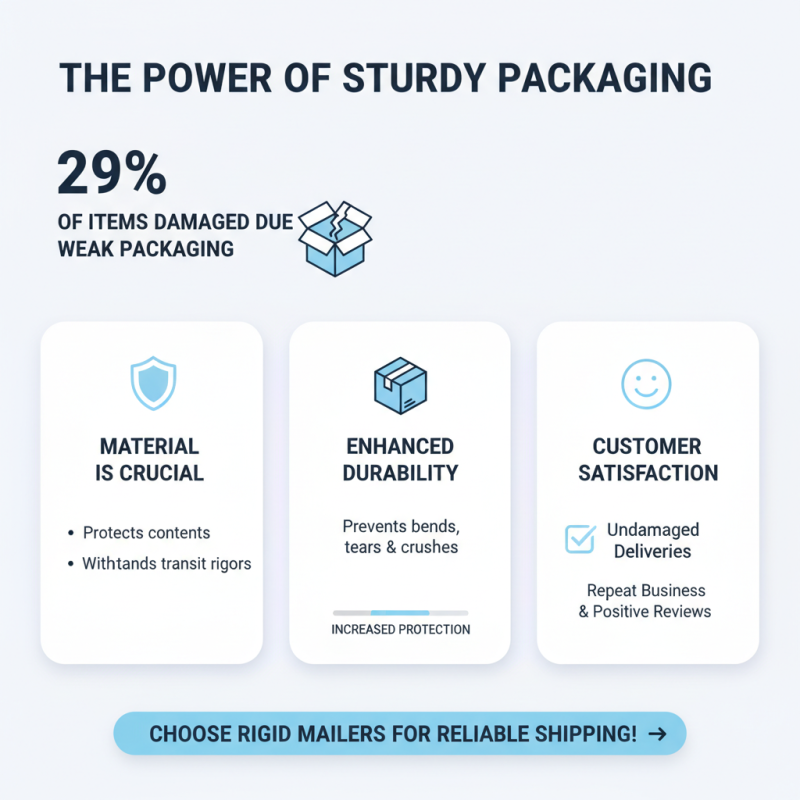
Material quality is another critical factor. Rigid mailers should withstand pressure and impacts during transit. Reports show that 25% of products suffer damage due to poor mailer quality. Cardboard thickness matters as well. A thickness of at least 300 GSM can provide adequate protection under typical shipping conditions.
Cost is a significant consideration, too. While cheaper options may be appealing, they can lead to increased returns and replacements. A study found that adequate protective mailers reduce return rates by 15%. Choosing a higher-quality mailer can save money long-term. Balancing cost and protection is essential for effective shipping strategies.
How to Choose the Best Rigid Mailer for Your Shipping Needs?
| Factors | Description | Recommended Material | Typical Use |
|---|---|---|---|
| Size | Choose a rigid mailer size that fits the items snugly to avoid movement. | Cardboard, Corrugated | Books, Photos |
| Thickness | Consider the thickness for protection based on item type. | 2mm, 3mm options | Fragile items, Jewelry |
| Seal Type | Self-sealing or tape-sealed options for easy closure. | Peel & Seal | General shipping |
| Water Resistance | Choose a waterproof mailer for items sensitive to moisture. | Plastic lamination | Clothing, Electronics |
| Environmental Impact | Look for recyclable or biodegradable materials. | Recycled cardboard | Eco-friendly shipping |
Related Posts
-

How to Choose the Right Rigid Mailer for Your Shipping Needs
-
How to Choose the Best Rigid Mailer for Your Shipping Needs?
-
Unlocking Success: The Advantages of Choosing the Best Rigid Mailer for Your Business
-

How to Choose the Right Rigid Mailer for Your Packaging Needs
-
What is a Rigid Mailer and Why You Should Use It for Shipping
-
What is a Rigid Mailer and How Does it Improve Your Shipping Experience


