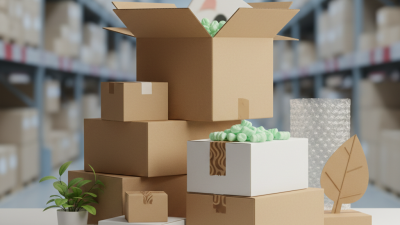
How to Choose the Best Shipping Packaging for Your Business?
Choosing the right shipping packaging is essential for any business. It impacts product safety, customer satisfaction, and overall brand image. According to logistics expert Mark Johnson, "Effective shipping packaging can make or break your delivery experience." This emphasizes the significance of selecting the right materials and designs.
Shipping packaging isn't just a protective layer. It represents your brand's values and commitment to quality. A well-packaged item creates a memorable unboxing experience. Customers are likely to return if they feel valued, and packaging plays a key role in that perception. Businesses must evaluate their products' needs while considering cost-effectiveness and sustainability.
However, the process is not straightforward. Companies often overlook the importance of testing their packaging under real-world conditions. Packaging that looks good might not be practical. Balancing aesthetics with functionality is crucial. Relying on assumptions can lead to damaged goods and unhappy customers. It's essential to continually revisit and refine your shipping packaging strategies. Every detail matters in the competitive market.
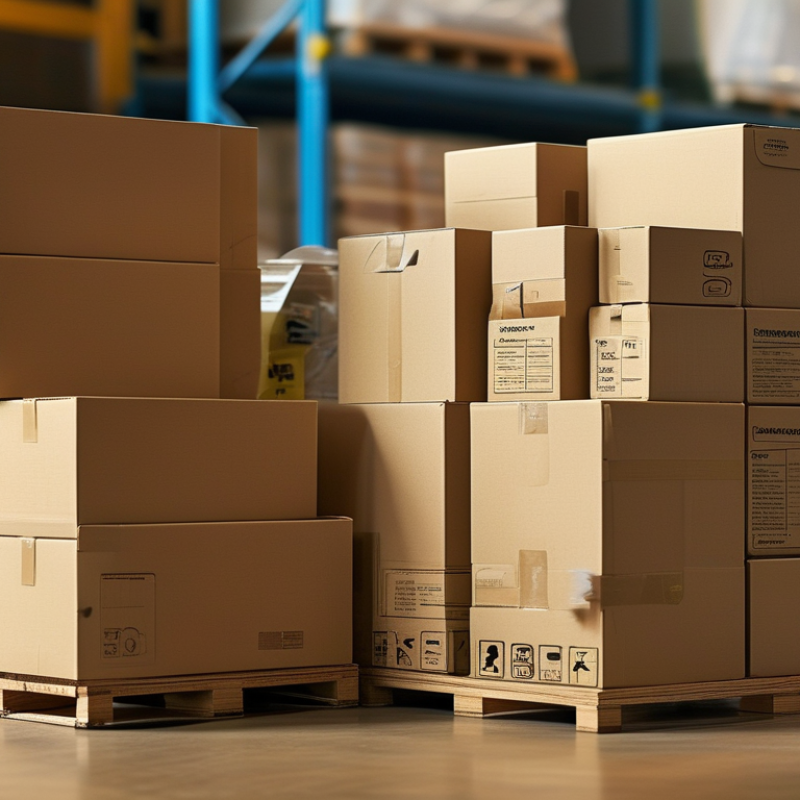
Understanding Your Shipping Needs and Business Requirements
When selecting shipping packaging, understanding your shipping needs is crucial. Consider the nature of your products. Are they fragile, bulky, or irregularly shaped? Choose packaging that provides adequate protection and support. For fragile items, padded materials or sturdy boxes may be necessary. Lightweight products require less cushioning but still need secure containment. Finding the right balance is essential.
Assess your business requirements next. Shipping volume can significantly influence your choice. If you ship large quantities, consider bulk packaging options. This can reduce costs and streamline operations. Companies might also weigh the importance of branding. Custom packaging can enhance customer experience but may come with a higher price tag.
Packaging choices often involve trade-offs. A cheaper option might save money but could lead to damaged goods. Evaluate the long-term implications of your decision. While it’s tempting to minimize costs, investing in reliable packaging can improve customer trust. Analyze past shipping experiences to identify recurring issues. Learning from mistakes can guide better packaging strategies.
How to Choose the Best Shipping Packaging for Your Business? - Understanding Your Shipping Needs and Business Requirements
| Packaging Type |
Ideal Use Case |
Material |
Cost Range |
Environmental Impact |
| Boxes |
General shipping of goods |
Cardboard |
$1 - $5 each |
Recyclable |
| Padded Envelopes |
Shipping small, fragile items |
Plastic, Bubble wrap |
$0.50 - $2 each |
Not recyclable |
| Wrapping Paper |
Gift items or additional padding |
Paper |
$0.10 - $0.50 per roll |
Recyclable |
| Shrink Wrap |
Securing items on pallets |
Plastic |
$20 - $50 per roll |
Not recyclable |
| Reusable Containers |
Frequent shipments |
Plastic, Metal |
$5 - $25 each |
Eco-friendly |
Types of Shipping Packaging Materials and Their Benefits
When selecting shipping packaging, various materials offer unique benefits. Corrugated cardboard is a popular choice. It is lightweight yet durable. This material provides excellent protection for fragile items. The customizability allows businesses to create boxes that fit their products perfectly, reducing movement during transit. However, it may not be suitable for all environments.
Another option is bubble wrap. It adds an extra layer of cushioning. For small items, padded envelopes provide light protection and are cost-effective. However, using bubble wrap and padded envelopes increases waste. Consider sustainability when choosing these materials.
Biodegradable packaging presents a greener alternative. It reduces environmental impact but may not always provide the same level of protection. Stretch film is another practical choice for securing multiple items together. While effective, it can be tricky to recycle. Each material has pros and cons, so evaluate your needs carefully. Engage in reflection to improve your choice over time.
Shipping Packaging Materials and Their Benefits
Evaluating Cost-Effectiveness of Packaging Options
When evaluating the cost-effectiveness of packaging options, businesses must analyze various factors. The initial cost of materials can be misleading. Cheaper materials may lead to higher shipping costs due to damage during transit. A comprehensive understanding of product fragility is required.
Weight plays a crucial role in shipping expenses. Lightweight options can reduce overall costs. However, insufficient protection can expose products to risks. Finding the right balance between weight and protection is essential. Businesses should consider the lifespan of materials. Eco-friendly options may cost more upfront but can enhance brand value over time.
It’s also important to evaluate customer expectations. An appealing package can enhance customer satisfaction. Yet, trends change. What works today may not resonate tomorrow. Regular assessments of packaging effectiveness can lead to better choices. Experimenting with different materials can help identify the best fit. Always seek customer feedback. It offers insights into their preferences. Making informed choices will ultimately protect the bottom line and foster growth.
Ensuring Protection and Safety During Transit
Selecting the right shipping packaging is crucial for ensuring protection and safety during transit. Studies indicate that about 30% of products sustain damage during shipping, leading to significant costs for businesses. Proper packaging can reduce these incidents significantly. Companies that invest in quality materials often see a decline in return rates by up to 50%. This reflects the importance of choosing packaging that withstands various shipping conditions.
Using the right packaging materials not only protects the items but also enhances customer satisfaction. A report from the Packaging Association highlights that 60% of consumers consider the packaging quality when evaluating a brand. Thus, it is essential to strike a balance between durable materials and cost-effectiveness. Failure to do so can result in a negative impression, jeopardizing long-term customer relationships.
Reflection on past experiences reveals that many businesses overlook the fine details, such as void fill and cushioning. Inadequate protection leads to damaged goods and increased return costs. Organizations must reevaluate their packaging strategies regularly. Constantly assessing feedback and transit data can provide insights that help improve packaging choices over time.
Eco-Friendly Packaging Solutions for Sustainable Shipping
Sustainable shipping has become a necessity for businesses aiming to reduce their environmental impact. According to a report by McKinsey, 66% of consumers are willing to pay more for sustainable products. This shift presents a unique opportunity for businesses to adopt eco-friendly packaging solutions. Biodegradable materials, such as plant-based plastics and recycled paper, provide viable options that can help lower carbon footprints.
Research shows that plastic waste in oceans could reach 250 million metric tons by 2025. Transitioning to sustainable packaging can significantly mitigate this problem. Many companies are now exploring alternatives like compostable mailers and reusable boxes. These materials not only minimize waste but can also enhance brand reputation. Customers are increasingly informed and are drawn to businesses that prioritize the environment.
Despite these advantages, some businesses may hesitate to switch due to costs. Eco-friendly packaging can sometimes be more expensive upfront, causing doubt about the return on investment. However, long-term savings may arise from reduced disposal costs. It’s essential to evaluate both short-term and long-term benefits when considering packaging choices. Balancing sustainability with practicality is a challenge many face today.