Why is Packaging Parcel Important for Global Procurement?
In the realm of global procurement, the concept of "Packaging Parcel" plays a crucial role. Effective packaging ensures products arrive safely and in perfect condition. Poor packaging can lead to damage, increased costs, or delays. Such issues can hurt a company's reputation and customer satisfaction.
Furthermore, the right packaging facilitates smoother logistics. Well-designed parcels are easier to handle and store. They can optimize space during transport, reducing shipping costs. This efficiency is vital for businesses looking to maintain competitiveness in a volatile market.
Despite these benefits, many still overlook the importance of packaging. Companies sometimes focus solely on cost reduction. This can lead to subpar packaging choices that compromise product integrity. It is essential for procurement professionals to recognize that a well-thought-out packaging strategy directly contributes to overall success.
Importance of Packaging in Global Supply Chain Management
Packaging plays a crucial role in global supply chain management. A well-designed package protects products during transit and reduces waste. According to a study by the World Packaging Organisation, better packaging can reduce supply chain costs by up to 30%. This highlights the significance of investing in quality packaging solutions.
In addition, packaging influences consumer decisions. Research indicates that 72% of consumers judge a product by its packaging. This connection emphasizes the need for companies to focus on aesthetics and functionality. However, packaging waste poses an environmental challenge. In 2020, the global packaging waste was estimated at over 300 million tons. This raises questions about sustainability in packaging choices.
Effective packaging also enhances logistics efficiency. Properly sized packages reduce shipping costs and optimize storage. For example, a 10% reduction in package size can lead to a 5% decrease in logistics expenses. Yet, many companies overlook the importance of testing packaging for durability. Inadequate testing can lead to product damage and increased returns, which can erode profit margins.
Impact of Packaging on Cost Efficiency in Procurement
Effective packaging is crucial in global procurement processes. It directly affects cost efficiency, which is vital for businesses. Proper packaging minimizes damages during transit. This leads to fewer losses and lower insurance premiums. Additionally, sustainable packaging materials can lower overall costs in the long run. Businesses may find that investing in better packaging can yield significant savings on logistics.
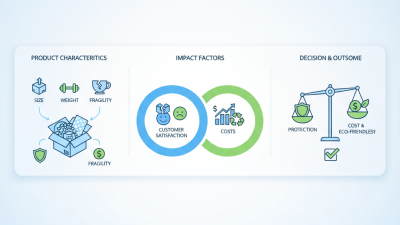
Choosing the right package not only enhances product safety but also influences shipping fees. Lightweight and compact packaging can reduce transportation costs significantly. However, the challenge lies in balancing protective packaging with cost considerations. Some companies may overestimate the need for heavy-duty materials, leading to unnecessary expenses. Rethinking packaging choices can often reveal ways to cut costs while maintaining product integrity.
Packaging decisions should reflect both current logistical needs and future sustainability goals. The choice of materials and design can shape a firm's environmental footprint. Companies should remain open to feedback and continuously assess the effectiveness of their packaging strategies. This ongoing evaluation can drive innovation and lead to better procurement practices over time.
Impact of Packaging on Cost Efficiency in Global Procurement
Role of Packaging in Product Safety and Integrity during Transit
Packaging plays a crucial role in ensuring product safety and integrity during transit. Properly designed packaging protects items from physical damage, moisture, and temperature fluctuations. It acts as a barrier, safeguarding products against contaminants. This is vital, especially for delicate or perishable goods, where even minor incidents can lead to significant losses.
Using the right materials is essential. Corrugated boxes, for instance, offer excellent strength and cushioning. However, relying solely on traditional packaging might not address all challenges. Innovations like biodegradable materials or anti-static films can enhance protection. Consider the product's journey—every stop poses different risks. This awareness can guide packaging choices effectively.
When selecting packaging, evaluate its environmental impact too. There is a growing emphasis on sustainable practices. Ensure that your choice balances protection with eco-friendliness. Regularly review packaging processes. Reflect on customer feedback to make improvements. Keep an eye out for new trends and technologies to enhance packaging effectiveness and efficiency.
Sustainability Considerations in Packaging for Global Commerce
Sustainability in packaging has become a core consideration for global procurement. Recent studies indicate that over 90% of consumers prefer brands that prioritize eco-friendly practices. Companies are transitioning towards sustainable materials, such as biodegradable plastics and recycled paper, to align with consumer preferences. This shift not only reduces environmental impact but also enhances brand loyalty.
According to the World Economic Forum, packaging accounts for 30% of plastic waste globally. This data highlights a significant challenge in the supply chain. Businesses must adapt to regulations and consumer demands that emphasize sustainability. The use of eco-friendly packaging can reduce waste and lower carbon footprints. Aiming for a circular economy could enhance resilience and efficiency in global commerce.
However, the implementation of sustainable packaging is not without challenges. Many companies face higher costs and manufacturing hurdles in sourcing sustainable materials. Additionally, the effectiveness of eco-friendly packaging can vary based on geographic locations and logistical constraints. Continuous innovation and collaboration across industries are essential for improving sustainable practices while maintaining quality and accessibility in global procurement.
Trends and Innovations in Packaging Design for Global Procurement
In the realm of global procurement, packaging design is continually evolving. Recent trends emphasize sustainability and functionality. Eco-friendly materials are gaining traction, as companies seek to minimize their environmental impact. Using biodegradable options not only helps the planet but also appeals to eco-conscious consumers. This shift illustrates a growing understanding that packaging plays a crucial role in supply chain responsibility.
Another trend is the integration of smart technology in packaging. QR codes and NFC chips are being utilized to provide consumers with instant access to product information. This innovation engages customers while enhancing transparency. However, the effectiveness of such features can vary. Some consumers may find technology intimidating, leading to potential confusion and reduced engagement.
Yet, despite these advancements, many areas require improvement. Some designs still face challenges regarding durability and protection. Packaging must withstand various shipping conditions, ensuring product safety. An innovative design that looks great but fails in function can tarnish a brand's reputation. Companies need to reflect on these aspects, balancing aesthetics with practicality in their packaging choices.