What is a Polymailer Bag and How to Choose the Best One?
Polymailer bags have transformed the packaging industry, becoming a preferred choice for e-commerce businesses. According to a recent report by Smithers Pira, the global market for flexible packaging is expected to reach $300 billion by 2024. This growth highlights the increasing demand for efficient shipping solutions. Polymailer bags, known for their durability and lightweight nature, play a crucial role in this trend.
Selecting the right Polymailer bag is essential for businesses aiming to enhance their shipping processes. Many companies overlook factors like material quality, thickness, and sealing mechanisms. A study by Packaging Strategies reveals that 70% of consumers rank package quality as a decisive factor in their shopping experience. Thus, understanding the various options available can be daunting yet necessary for success.
Not all Polymailer bags are created equal. Some use subpar materials that can compromise package integrity. Businesses must reflect on their specific needs, including size and design. By exploring these options, companies can prevent costly errors and ensure their products arrive safely. Balancing cost and quality is a constant challenge, but a well-chosen Polymailer bag can significantly impact overall customer satisfaction.

Definition and Key Features of Polymailer Bags
Polymailer bags are versatile shipping solutions used in e-commerce and retail. These bags are made from a combination of plastic materials, providing durability and water resistance. They come in various sizes, allowing businesses to choose the perfect fit for their products. Polymailer bags are lightweight, which helps reduce shipping costs. Their self-sealing adhesive strips make packaging simple and efficient.
When selecting the best polymailer bag, consider the thickness of the material. A gauge of at least 2.5 mil ensures strength and protection. Look for features such as tear resistance and flexibility, which enhance the bag's ability to withstand rough handling during transit.
It’s essential to check the bag’s design and aesthetic appeal if branding is important to you. Custom prints can add a unique touch, but this may require additional budget considerations.
While polymailer bags offer many advantages, it’s important to reflect on their environmental impact. Many options on the market are not biodegradable. Therefore, considering eco-friendly alternatives may be wise. Balancing cost, functionality, and sustainability is vital when making a choice. This assessment can lead to more responsible purchasing decisions.
Benefits of Using Polymailer Bags in Shipping
Polymailer bags are a popular choice for shipping. They offer several benefits for businesses and individuals alike. First, they are lightweight and durable, making them an excellent option for various products. Their resistance to punctures and tears ensures that items remain safe during transit. This is especially crucial for e-commerce businesses that want to maintain a good reputation.
Using polymailer bags can significantly reduce shipping costs. Their lightweight nature means lower postage fees, especially for businesses that ship frequently. Additionally, they provide waterproof protection, which is essential in preventing damage caused by rain or humidity. Customers appreciate receiving intact packages, enhancing their trust in a brand’s reliability.
Another advantage is their versatility. Polymailer bags come in various sizes, accommodating different products. However, some users may struggle with the right size, leading to wasted space or excess material. It is essential to assess product dimensions carefully. Moreover, while these bags are often recyclable, not all are biodegradable. This aspect raises questions about environmental impact, prompting reviews and potential users to reflect on sustainable practices in packaging.
What is a Polymailer Bag and How to Choose the Best One? - Benefits of Using Polymailer Bags in Shipping
| Feature |
Description |
Benefits |
| Material |
Water-resistant, tear-resistant plastic |
Protects contents from moisture and damage |
| Closure Type |
Self-sealing adhesive strip |
Easy to use and secure |
| Sizes |
Various sizes available |
Accommodates different products and sizes |
| Weight |
Lightweight |
Reduces shipping costs |
| Customization |
Available in custom prints and colors |
Enhances brand visibility |
| Sustainability |
Can be made from recycled materials |
Eco-friendly option for shipping |
Factors to Consider When Choosing Polymailer Bags
When choosing polymailer bags, several key factors come into play. Material quality is crucial. Look for bags made from durable, tear-resistant plastic. This ensures that your items remain secure during transit. Thickness matters, too. A thicker bag often offers better protection against rough handling. Testing various thicknesses can help you find the right balance between weight and durability.
Another important aspect is the size. Polymailers come in many dimensions. Assess the items you intend to ship regularly. A bag too large may waste resources, while a bag too small risks damage to your products. Custom sizes are also an option if you frequently ship unique items.
Consider the sealing method as well. Self-seal adhesive closures are user-friendly and can save time. But not all seals are created equal. Ensure your choice will hold up during transit. Reflect on your shipping experience. It can inform your decision-making, leading to stronger outcomes.
Material Types and Their Impact on Durability and Cost
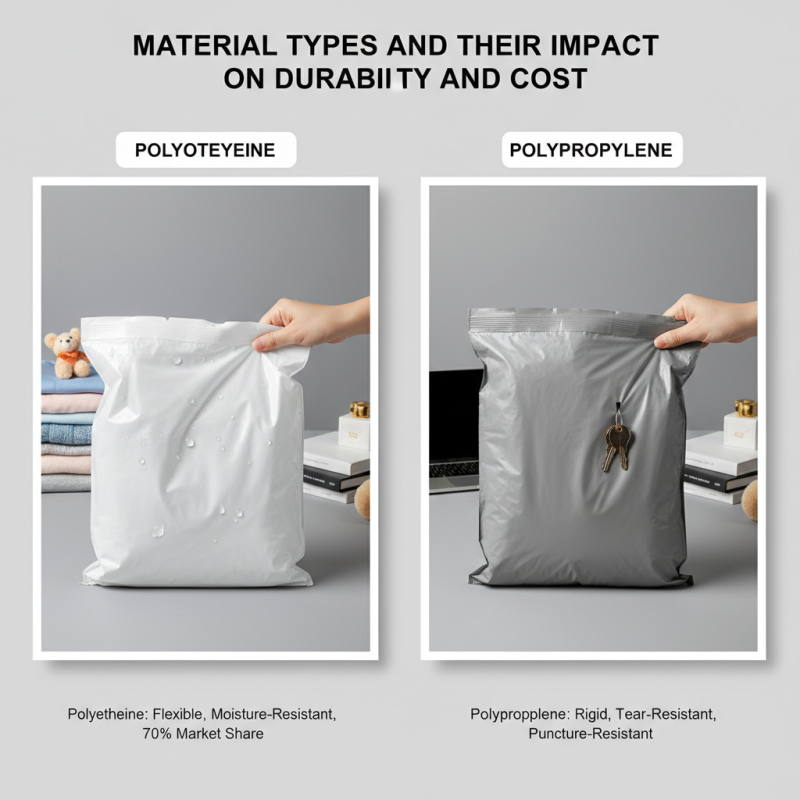
Polymailer bags are increasingly popular in shipping and packaging. Choosing the right one significantly impacts durability and cost. The most common materials include polyethylene and polypropylene. Polyethylene offers flexibility and moisture resistance. Polypropylene, while more rigid, provides better tear resistance. According to a recent study by Smithers Pira, polyethylene accounts for about 70% of the market share in flexible packaging materials.
When contemplating durability, it's essential to recognize the trade-offs between material types. Thicker polymailers typically resist punctures and tears better than thinner options. However, they tend to cost more, with prices varying based on thickness and added features. Data from the Flexible Packaging Association highlights that the average retail price for a standard polymailer can range between $0.10 to $0.35 each, depending on material and production scale.
**Tips:** Always check specifications before purchasing. Not all bags labeled as “durable” meet the same standards. Consider the weight of the items being shipped. For light goods, thinner bags may suffice. For fragile products, opt for thicker options. Customization, while tempting, can increase costs dramatically. Balance your needs with budget constraints when making your choice.
Market Trends: The Growth of the Polymailer Bag Industry
The polymailer bag industry is experiencing rapid growth. As e-commerce expands, the demand for reliable shipping solutions increases. Polymailer bags are lightweight, durable, and water-resistant, making them ideal for various products. Their design helps protect items during transit, ensuring customer satisfaction.
Market trends indicate a shift towards sustainable materials. Consumers are more eco-conscious, seeking brands that use recyclable options. Several companies are innovating, developing biodegradable polymailer bags. This trend reflects changing consumer preferences and a push for environmental responsibility.
However, there are challenges. Not all suppliers meet sustainability standards. Sifting through brands can be overwhelming. Businesses need to choose wisely, balancing cost with eco-friendliness. As the industry evolves, staying informed is crucial for making impactful decisions. Understanding the nuances of different materials will help companies thrive in this competitive market.
Market Trends in the Polymailer Bag Industry