
FAQjuan

What Is a Rigid Mailer and How Is It Used?

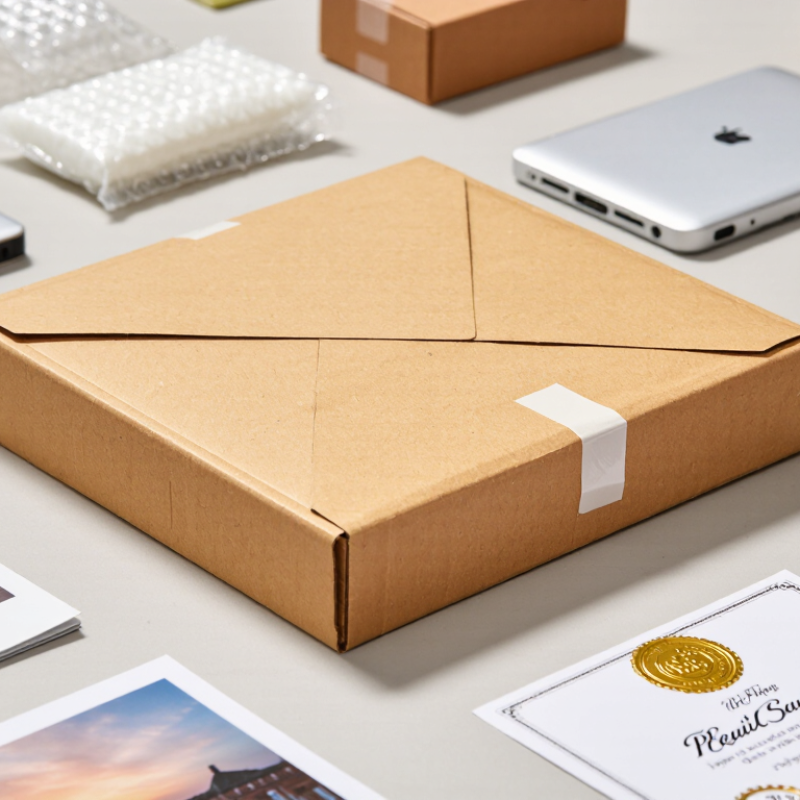
A Rigid Mailer is a protective shipping format designed to keep flat or lightweight products from bending, crushing, or creasing. It usually combines a firm paperboard, corrugated board, or plastic structure with a self-sealing closure. The result feels more substantial than a flexible envelope. That physical difference matters when mailing photographs, certificates, product samples, cards, catalogs, or thin electronics.

Packaging expert Walter Soroka describes packaging as “a coordinated system of preparing goods for transport, distribution, storage, retailing, and end-use.” His definition helps explain the broader role of a Rigid Mailer. It is not merely an outer sleeve. It supports product presentation, handling efficiency, and customer confidence. A well-designed mailer may include reinforced edges, a tear strip, tamper-evident features, or a snug internal fit. Small details matter.

However, rigidity alone does not guarantee safe delivery. Poor sizing can leave products moving inside the package. Weak closures can fail under pressure. Excess material can also increase shipping costs and environmental concerns. A little uncomfortable, but important.

Choosing the right Rigid Mailer requires practical judgment. Consider the product’s dimensions, weight, surface sensitivity, and expected handling conditions. A photograph may need a smooth interior, while a boxed sample may require deeper sidewalls. Test the package before large-scale use. Drop testing, compression checks, and real packing trials can reveal weaknesses that specifications miss.

This guide examines what a Rigid Mailer is, how it works, and where it performs best. It also considers its limitations, material choices, closure systems, and common business applications. The goal is simple: match the mailer to the product, not the other way around.
What Is a Rigid Mailer and How Is It Used?

Definition and Core Features of a Rigid Mailer

A rigid mailer is a protective shipping envelope designed to resist bending, crushing, and surface damage. Unlike a flexible poly mailer, it keeps a stable shape during handling. Its firm structure usually comes from corrugated fiberboard, paperboard, or layered protective materials. The design is lightweight, yet noticeably stronger than a standard envelope.

Core features include a flat profile, reinforced edges, a secure closure, and an interior sized for specific products. Some rigid mailers include a peel-and-seal strip, while others use a tuck flap or adhesive tab. A smooth inner surface helps prevent scratching. A snug fit also limits movement during transit. However, “rigid” does not mean indestructible. Excessive moisture, sharp impacts, or poor packing can still cause damage.

In practical use, rigid mailers suit photographs, certificates, brochures, thin books, artwork, and other flat items that should arrive straight. I recommend measuring the product before selecting the mailer. Allow enough space for protective tissue or a thin cushioning layer. Too much room can create shifting. Too little room can bend the contents during sealing. This detail is easy to overlook.

The closure should be checked by hand. The corners should remain flat. A simple shake test may reveal unwanted movement. Some packaging choices look secure but fail under repeated handling. That is worth testing before regular shipment. A rigid mailer protects best when its material, dimensions, closure, and contents work together.

Materials and Structural Design of Rigid Mailers

What Is a Rigid Mailer and How Is It Used?

Materials and Structural Design of Rigid Mailers

A rigid mailer is a protective envelope designed to resist bending during handling. It commonly uses solid paperboard, corrugated fiberboard, or molded pulp. Solid paperboard offers a smooth surface for documents and printed materials. Corrugated fiberboard provides stronger cushioning through its fluted inner layer. Molded pulp can add shape while reducing reliance on plastic components.

Material thickness affects protection, weight, and shipping cost. A heavier board is not always a better choice. Moisture resistance also matters when packages may face rain or humid storage areas. Some mailers use water-resistant coatings, but coatings can complicate recycling. This trade-off deserves closer testing.

Structural design controls how the mailer performs. Folded panels create stiffness across broad surfaces. Reinforced edges help protect corners from crushing. Locking tabs can close the package without extra adhesive. Precise score lines support clean folding and reduce accidental gaps. Internal clearance should be small, yet enough for easy insertion. Too much empty space allows the contents to move.

It is not perfect.

A practical evaluation includes drop checks, compression tests, and repeated opening trials. Inspectors should examine crushed corners, split folds, and loose tabs. Small design flaws often appear during real handling, not on a drafting screen. I have found that a slightly simpler structure can perform more reliably than an elaborate one. The best rigid mailer balances material efficiency, product fit, and dependable closure.

How Rigid Mailers Protect Items During Shipping

A rigid mailer is a firm shipping envelope designed to resist bending and crushing. It commonly uses thick paperboard, corrugated fiberboard, or another stiff material. Unlike a flexible envelope, it keeps its shape when handled, stacked, or placed under light pressure. This structure helps protect documents, photographs, certificates, prints, and other flat items during delivery.

The main defense is bending resistance. A rigid mailer prevents corners from folding and reduces surface creases. Its tight fit also limits movement inside the package. For better protection, place the item between two flat inserts, then secure it without pressing too hard. A small gap can allow shifting. Excessive pressure can damage delicate surfaces. That detail is easy to overlook.

In practical packing tests, drop protection depends on more than stiffness. Strong adhesive seams help prevent the mailer from opening. A water-resistant outer layer can reduce damage from brief exposure to moisture, but it is not fully waterproof. Keep fragile contents away from exposed edges, and inspect the mailer before use. A bent mailer may already have lost part of its protective strength. Clear address placement also matters, since folded or poorly attached labels can delay handling. Rigid packaging protects well, but it cannot correct careless sizing or weak internal support.

Rigid Mailer Formats and the Items They Protect

Rigid mailers use stiff paperboard or corrugated fiberboard to resist bending and help keep flat items aligned during handling. The chart compares standard ISO paper formats commonly shipped in rigid mailers.

Larger formats are typically selected for posters, artwork, and documents, while smaller formats suit photographs, certificates, and compact prints. A rigid mailer should provide enough internal clearance for protective inserts without allowing the contents to move freely.

Common Uses Across Mailing and Packaging Needs

What Is a Rigid Mailer and How Is It Used?

A rigid mailer is a firm envelope designed to protect flat items during handling and transport. It usually contains reinforced paperboard, corrugated fiberboard, or another stiff material. Unlike soft envelopes, it resists bending, folding, and light crushing. Common uses include mailing photographs, certificates, artwork, brochures, calendars, and collectible cards. It can also hold product samples, instruction sheets, and small documents that should arrive flat.

In daily packing work, I match the mailer size closely to the contents. Extra space can allow movement and create corner damage. A snug fit works better, especially when a flat item has sharp edges. I usually add a thin protective sleeve or a sheet of padding for delicate surfaces. The closure should be pressed firmly, then checked along every edge. Small details matter here. A weak seal can fail during sorting, even when the mailer itself is strong.

Rigid mailers also support retail packaging and internal document distribution. Offices use them for contracts, presentation materials, and records that should not arrive creased. Artists may use them for prints, while online sellers often choose them for flat goods. However, rigid does not mean damage-proof. I have seen corners bend when packages were overfilled or poorly labeled. Choosing a stronger mailer may help, but careful packing still deserves attention. Some items need a box instead.

What Is a Rigid Mailer and How Is It Used? - Common Uses Across Mailing and Packaging Needs
Data Dimension Typical Information Packaging Benefit Common Mailing or Packaging Uses Important Considerations
Definition A rigid mailer is a flat or shallow mailing package designed to resist bending, folding, or crushing during handling and transport. Helps maintain the shape and condition of enclosed items. Documents, photographs, certificates, prints, cards, small books, and thin merchandise. It is more protective than a standard paper envelope but is generally less cushioned than a padded mailer.
Common Outer Materials Paperboard, corrugated fiberboard, solid fiberboard, plastic sheets, or combinations of these materials. Material selection can provide stiffness, puncture resistance, moisture resistance, or lower weight. Paperboard mailers for documents; corrugated mailers for retail products; plastic rigid mailers for moisture-sensitive contents. Recycling options depend on the material, coatings, adhesives, and local recycling facilities.
Typical Construction Common designs include two-panel folders, book-fold mailers, reinforced envelopes, and shallow cartons with a locking or adhesive closure. Folded panels and reinforced edges improve rigidity without requiring a large box. Flat mailings, subscription items, e-commerce orders, promotional materials, and archival shipments. Closures should be securely sealed to prevent contents from slipping out during sorting and delivery.
Protection Against Bending Rigid mailers reduce flexing, but their performance varies with board thickness, flute structure, panel design, and size. Useful for items that can crease, crack, or lose value when bent. Art prints, diplomas, trading cards, photographs, booklets, brochures, and product inserts. For highly valuable or fragile contents, use additional backing, corner protection, or a stronger outer package.
Protection Against Impact Most rigid mailers provide limited impact protection because they usually contain little or no cushioning material. Offers basic structural protection against compression and handling pressure. Flat, non-fragile items such as paperwork, apparel accessories, stationery, and thin consumer goods. Glass, ceramics, electronics, and other breakable products usually require bubble cushioning, foam, or a protective carton.
Common Size Formats Available in document-sized formats, large flat formats, and compact shallow-carton formats. Exact dimensions vary by supplier and postal requirements. Allows the package to match the contents and reduce unnecessary void space. Letter-size documents, A4 or similar paperwork, magazine-sized materials, small books, and flat retail products. Measure the contents before selecting a mailer and allow enough internal space for insertion without bending.
Weight Efficiency Paperboard and fiberboard mailers are generally lighter than rigid plastic cases or conventional shipping boxes of similar coverage. Lower package weight can help control postage and shipping costs. Direct mail, fulfillment orders, educational materials, and lightweight retail shipments. Total shipping cost also depends on package thickness, dimensions, destination, and carrier pricing rules.
Closure Methods Typical closures include peel-and-seal adhesive strips, tuck flaps, locking tabs, self-locking folds, and removable adhesive strips. Supports faster packing and helps keep the package closed during transit. High-volume fulfillment, office mailings, subscription shipments, and customer returns. Adhesive strength can be affected by dust, cold temperatures, moisture, and rough handling.
Branding and Presentation Paper-based rigid mailers can be printed, labeled, stamped, or finished with custom graphics. Creates a cleaner unboxing experience and provides space for handling instructions or return information. Retail orders, promotional kits, publishing materials, invitations, and marketing campaigns. Ink, coatings, laminates, and mixed-material components may affect recyclability.
Moisture Resistance Uncoated paperboard and fiberboard can absorb moisture, while coated board, plastic, or an inner protective bag can provide greater resistance. Helps reduce damage from light moisture exposure during handling. Printed materials, apparel accessories, paper goods, and products shipped in humid conditions. A moisture-resistant mailer is not necessarily waterproof; prolonged water exposure may still damage the contents.
Storage and Handling Many rigid mailers ship flat and can be stored efficiently before use. Flat storage saves warehouse and office space compared with pre-assembled boxes. Mailrooms, fulfillment centers, offices, print shops, schools, and small businesses. Store paper-based mailers in a dry location to help prevent warping and loss of stiffness.
Environmental Profile Paperboard and fiberboard mailers may be recyclable when they are clean and accepted by the local recycling system. Fiber-based formats can reduce reliance on plastic packaging in suitable applications. Documents, printed materials, lightweight products, and shipments where cushioning is not required. Remove plastic windows, foam, metal parts, and excessive adhesive when local recycling guidance requires it.
Best-Suited Contents Flat, lightweight, and moderately durable items that mainly need protection from bending, abrasion, or surface damage. Provides an efficient balance between protection, presentation, and shipping convenience. Certificates, artwork, photographs, greeting cards, thin books, catalogs, stationery, and flat accessories. Contents should not exceed the mailer's stated capacity or create bulges that weaken the closure.
When to Choose an Alternative Use a padded mailer or corrugated shipping box when the contents need cushioning, greater crush resistance, or more internal space. Matching the package type to the product reduces damage risk and unnecessary material use. Fragile products, irregularly shaped items, heavy goods, liquid products, and multi-item orders. Packaging should be selected according to product fragility, weight, dimensions, route, and handling conditions.
Note: Performance depends on the mailer's material, dimensions, construction, closure, and the handling conditions used during transport.

Choosing the Right Rigid Mailer for Each Application

What Is a Rigid Mailer and How Is It Used?

Choosing the Right Rigid Mailer for Each Application

A rigid mailer is a protective envelope or shallow box that resists bending during handling. It is useful for documents, photographs, certificates, small books, and printed samples. The best choice depends on the item’s stiffness, weight, and surface sensitivity. A thin board mailer suits flat papers. A stronger corrugated design works better for heavier contents.

Measure the item before selecting the mailer. Leave limited room for protective padding, but avoid excessive space. Loose contents can slide and develop corner damage. A snug fit feels safer. It is not always safer. The closure also matters. Peel-and-seal strips save packing time, while reusable flaps support returns or repeated handling. For glossy prints, choose an interior that will not rub against the surface.

Moisture exposure deserves attention. A coated exterior can help during brief contact with rain, but it should not replace internal protection. For fragile materials, add a rigid insert and test the packed mailer with gentle pressure. I have seen oversized mailers arrive with crushed edges because the contents moved inside. That mistake is easy to miss during packing. Weight is another practical concern. A very thick mailer may protect well, yet increase shipping costs and create unnecessary bulk. The right design balances firmness, fit, closure quality, and handling conditions for the specific application.