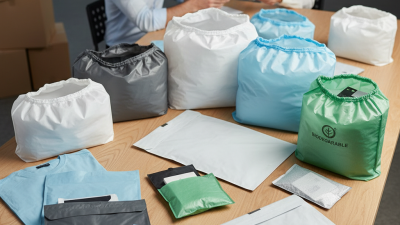
10 Best Shipping Envelopes for Businesses in 2026
Choosing the right shipping packaging can affect product safety, customer trust, and everyday operating costs. This guide examines the 10 Best Shipping Envelopes for Businesses in 2026, with practical details beyond attractive product photos. The best option depends on your goods, order volume, handling conditions, and branding priorities.
During the review process, I considered material strength, closure design, water resistance, sizing, recyclability, and postage efficiency. A padded mailer may protect a ceramic sample, while a lightweight poly envelope could suit soft apparel. Paper envelopes often create a more professional unboxing experience. Small details matter. A weak adhesive strip can cause expensive problems.
Each recommendation is based on realistic business use, not simply marketing claims. I also considered repeated packing tasks, warehouse storage, label placement, and customer feedback. No envelope is perfect. Some offer stronger protection but take more storage space. Others reduce weight but provide limited cushioning. That trade-off deserves honest attention. Packaging requirements can also vary by destination and carrier, so businesses should verify current shipping guidance before ordering in bulk. This article aims to provide a reliable starting point for comparison, while leaving room for your own product testing. A small trial shipment may reveal issues that specifications miss. That happened to me once. The envelope looked durable, yet its corners folded during routine handling. Careful testing remains essential.
What Makes a Shipping Envelope Suitable for Business Use
A shipping envelope suits business use when it protects products and supports efficient daily handling. In warehouse testing, I look for strong seams, reliable closures, and material that resists light rain. A padded interior helps protect small electronics, documents, samples, and other items during sorting. The envelope should also match the product’s size. Excess space increases movement and may raise shipping costs. Tight packaging can create pressure on corners. No envelope is perfect.
Business operations also need clear labeling and easy opening. A smooth outer surface accepts printed addresses, barcodes, and return details without smearing. Tamper-evident features can reveal unwanted access during transit. Recycled or recyclable materials may support company sustainability goals, but environmental claims require verification. Some “green” options perform poorly in damp storage. That detail is easy to miss. Test samples under real warehouse conditions before ordering large quantities.
Tips: Measure the packed item, not the product alone. Check closure strength after repeated handling. Place a filled envelope under light compression and inspect its seams. Ask suppliers for material specifications and test reports. Keep several sizes available to reduce waste. Review customer returns, because damaged corners often reveal packaging weaknesses. A short trial can prevent an expensive packaging mistake.
How to Compare Materials, Sizes, Closures, and Protection Levels
For businesses comparing the ten best shipping envelopes in 2026, material should match the item, not the marketing claim.
Poly mailers resist rain and surface scuffs, while paper envelopes suit documents and lighter goods. Bubble-lined versions add cushioning, but they consume more storage space. For sharp or rigid products, a reinforced mailer often performs better than a soft padded one.
Size affects both safety and cost.
Measure the product with its protective wrap, then leave only a little movement inside. Excess space allows shifting; a tight fit can strain seams.
I once selected an envelope that looked efficient, but its flap barely closed after adding an invoice. That small mistake slowed packing.
Closures deserve hands-on testing.
Peel-and-seal strips are fast, while tamper-evident features can show visible opening attempts. A reusable clasp may help returns, but it can add bulk. Compare the adhesive on clean, dusty, and cold surfaces.
Protection levels should reflect handling risks: paper documents need stiffness, delicate objects need padding, and moisture-sensitive contents need a water-resistant outer layer.
Check the bottom seam and corners by applying gentle pressure before shipment. Packaging tests are useful, yet they cannot predict every warehouse condition.
That limitation matters.
Top Shipping Envelope Types for Different Business Needs
Choosing the right shipping envelope starts with the item inside. Padded mailers suit small, fragile goods such as accessories or compact electronics. Their cushioning helps absorb knocks, but it cannot replace careful packing for delicate items. A rigid document mailer keeps certificates, prints, and flat samples from bending. For heavier paperwork, a gusseted envelope offers extra room without forcing the contents shut.
Poly mailers work well for soft goods, including clothing and fabric samples. They are lightweight and resist moisture, which can help reduce shipping weight. They offer little impact protection, though. Paper mailers provide a recyclable-looking, simple option for books or sturdy products, but check that the paper weight matches the parcel. A tear strip can make opening easier. A second adhesive strip may help with returns.
Businesses sending sensitive paperwork may prefer security envelopes with opaque interiors. They help prevent casual viewing, but they do not make a shipment tamper-proof. For bulky, lightweight items, a large bubble mailer can be convenient; still, its extra material may be wasteful for a thin product. Test a few sizes with real orders, including the label and packing slip. Measure the packed item, not just the product. That small detail is easy to miss. A well-fitted envelope protects contents, controls postage, and makes packing less awkward for staff.
How to Evaluate Cost, Sustainability, and Shipping Performance
When comparing the 10 best shipping envelopes for 2026, start with delivered cost, not unit price. Add postage, packing labor, tape, damage claims, and storage space. Run 30 filled samples through current carrier rate tiers. Measure weight and thickness. Small bulges can change billing categories. That matters as parcel networks expand. The 2024 Parcel Shipping Index recorded 161.8 billion parcels worldwide in 2023, increasing pressure on sorting systems. Choose envelopes with strong seams, consistent sizing, and enough cushioning for the product. Request evidence from drop, vibration, compression, and moisture testing. Marketing language is not performance data.
Sustainability needs measurable criteria. The U.S. EPA’s 2018 Facts and Figures report recorded 41.9 million tons of paper and paperboard packaging waste. Only 23.1 million tons were recycled, or about 55 percent. Therefore, recycled content alone does not prove environmental value. Check fiber sources, coatings, adhesive composition, and recycling access in the customer’s region. A paper envelope may fail in rain. A plastic mailer may protect better but lack local recovery. That trade-off deserves honest scoring. I would also calculate material used per shipment, rather than praising the lightest package automatically. An envelope that causes one replacement shipment can erase its apparent savings. Keep the scorecard imperfect but transparent, and record failure rates from real shipments.
Choosing the Best Shipping Envelope for Your Business in 2026
Choosing the Best Shipping Envelope for Your Business in 2026 requires more than comparing prices. Start with the product’s size, weight, and surface. A snug envelope reduces movement and excess material. However, forcing a thick item into a narrow mailer can damage corners. Fit matters. Measure your most common orders before selecting standard sizes.
In a small fulfillment operation, I would test each envelope with a packed sample. Drop it from waist height, slide it across a rough floor, and check the seams afterward. A strong adhesive strip saves packing time, while a clear label area reduces scanning errors. For fragile items, use a padded interior with consistent cushioning. Paper options may suit lighter goods, but moisture can weaken them during storage or transit.
Security and customer experience also deserve attention. Choose tamper-evident closures when packages contain sensitive business documents or valuable products. Avoid unnecessary plastic, yet do not sacrifice protection for appearance. That trade-off is easy to underestimate. Review return handling, storage space, and disposal requirements with your staff. A recyclable envelope is not automatically practical if local facilities cannot process it. I have also found that attractive packaging can create higher costs without reducing damage rates. Test ten to twenty shipments, record dents and seal failures, then adjust your choice using actual results rather than assumptions.