How to Choose the Best Large Shipping Bags for Your Business?
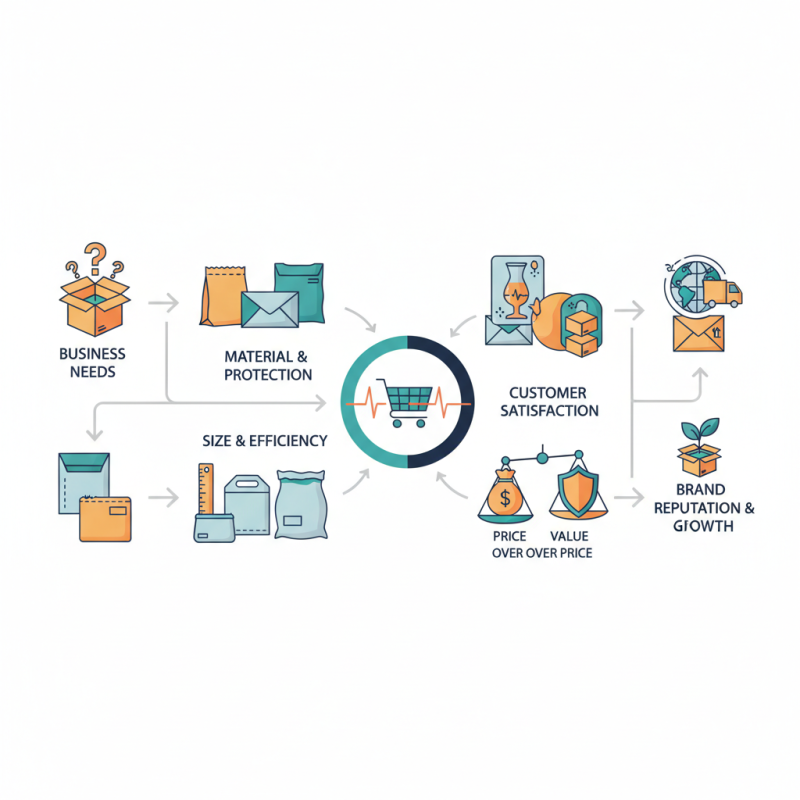
In today’s competitive market, choosing the right packaging is crucial. Large shipping bags play a vital role in ensuring your products reach customers safely. Selecting the perfect large shipping bags involves understanding your business needs and your customers' expectations.
Understanding the materials and sizes of large shipping bags is important. Different products require different levels of protection. For instance, fragile items may need extra cushioning. The right bag can enhance customer satisfaction. However, not all bags offer the same durability or protection. Businesses must reflect on their shipping practices to choose wisely.
Investing in quality large shipping bags shows that you care about your products. It also boosts your brand’s reputation. Yet, it’s easy to fall into the trap of choosing options solely based on price. Price is important, but the value should be the primary concern. Efficient packaging reduces waste and improves shipping costs over time. As you navigate your options, consider both immediate needs and future growth.
Understanding the Importance of Large Shipping Bags for Businesses
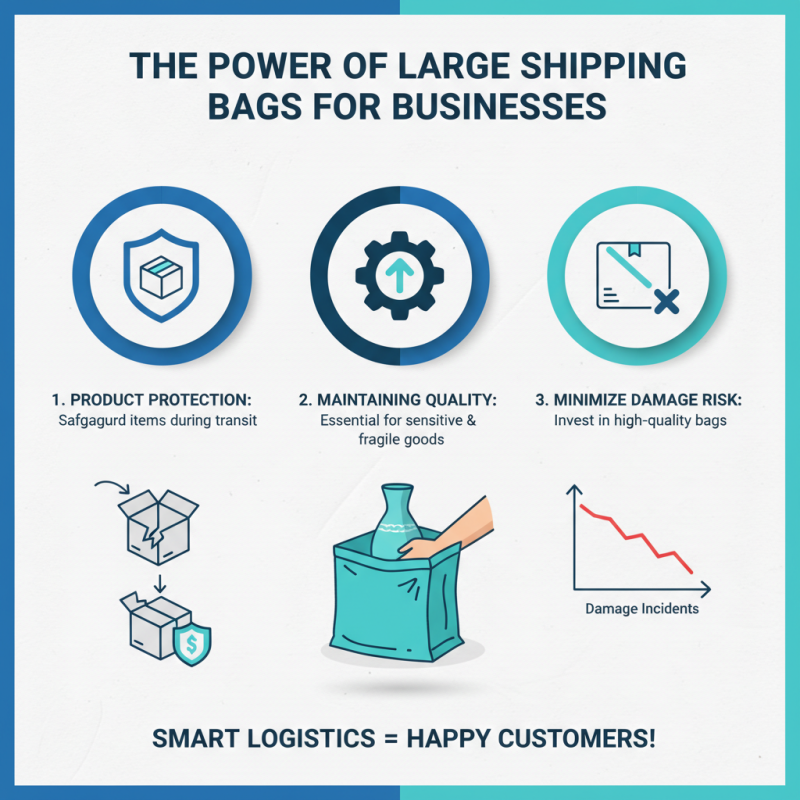
Large shipping bags play a crucial role in the logistics of businesses. They protect products during transit and are essential for maintaining quality. When you invest in high-quality shipping bags, you minimize the risk of damage. This is especially important for fragile or sensitive items.
The right shipping bags can enhance your overall efficiency. Choosing the right size prevents waste and saves costs. Additionally, they are often lightweight, reducing shipping expenses. However, not all shipping bags are created equal. Some may not offer the durability you need. It’s vital to consider the material and features of each option. Is it waterproof? Can it withstand heavy loads? These are questions that every business owner should ask.
While large shipping bags provide many benefits, they also present challenges. Sizing issues can lead to wasted space or inadequate protection. Choosing a bag that is too small can result in damaged goods. On the other hand, oversized bags can increase shipping costs. Balancing these factors requires careful thought and sometimes trial and error. It’s essential to regularly evaluate your shipping needs to adapt to changing demands.
Identifying Your Shipping Needs and Product Requirements
When selecting large shipping bags, understanding your specific shipping needs is crucial. Consider the dimensions of your products. Measure carefully. If your items vary in size, opt for adjustable bags. Durability is another important factor. Evaluate materials to ensure they can withstand handling and environmental conditions. Lightweight options can save on shipping costs, but don’t compromise on strength.
Additionally, think about the protection level required. Some products need extra cushioning, while others may require waterproofing. Analyze your customer base as well. Do they prioritize eco-friendly options? Choose bags that align with their values if so. Remember that your packaging reflects your brand. For some businesses, an aesthetically pleasing bag can enhance customer experience.
It’s also worth noting that your needs may change over time. Keep track of product trends. Changes in materials or shipping methods could influence your choices. Regular reviews can help identify whether your current bags adequately serve your objectives. There is always room for improvement. Reflect on feedback from your customers, and be open to adjustments.
How to Choose the Best Large Shipping Bags for Your Business?
This chart displays the average shipping bag sizes preferred by various types of businesses based on their shipping needs. Understanding these preferences can help you select the most suitable shipping bags for your requirements.
Evaluating Material Options for Durability and Protection
When evaluating material options for large shipping bags, durability and protection should be top priorities. According to a report by the Packaging Association, 72% of businesses report damage during transit due to subpar packaging. Selecting the right material can greatly reduce this risk. Common options include polyethylene and polypropylene, each offering different strengths and weaknesses.
Polyethylene is often used for its moisture resistance and flexibility. It withstands various temperatures and is relatively cost-effective. In contrast, polypropylene bags provide superior strength and tear resistance. Data shows that bags made from polypropylene can offer up to 20% higher tensile strength than polyethylene bags. This choice matters for businesses shipping heavy or bulky items.
It's also crucial to assess the impact of weight on shipping costs. Lightweight materials can save money, but they may compromise protection. Steps should be taken to test various materials under real-world conditions. Not every bag performs well in every situation. Many businesses find themselves reevaluating their choices after experiencing shipping issues. The learning curve involves a combination of trial and error, stressing the importance of careful selection based on empirical data.
How to Choose the Best Large Shipping Bags for Your Business? - Evaluating Material Options for Durability and Protection
| Material Type |
Durability |
Water Resistance |
Breathability |
Cost |
| Polyethylene (PE) |
High |
Yes |
Low |
Low |
| Kraft Paper |
Medium |
No |
High |
Medium |
| Polypropylene (PP) |
Very High |
Yes |
Medium |
Medium |
| Nylon |
Very High |
Yes |
Low |
High |
| Cotton |
Medium |
No |
High |
Medium |
Considering Size, Weight, and Design for Optimal Efficiency
When selecting large shipping bags, size is a primary consideration. The dimensions should match your items perfectly. Oversized bags can lead to increased shipping costs. Conversely, smaller bags may not fit the products securely. Evaluating your inventory can help you determine the ideal measurements. Consider how the items stack and their fragility. Proper sizing ensures protection during transit.
Weight is another crucial aspect. Lightweight bags can significantly reduce shipping expenses. However, extremely thin materials may compromise durability. Finding a balance is essential. It’s worth testing different materials to identify which offers the best protection without adding excess weight. Consider the destination and transit times as well.
The design of your shipping bags impacts efficiency. Simple designs can streamline packing processes. However, consider aesthetics too. A visually appealing bag can enhance brand perception. Some companies overlook this aspect, resulting in missed opportunities for marketing during shipping. Think critically about how your choices reflect your brand's identity. Analyzing feedback from your team and customers can guide improvements.
Comparing Costs and Supplier Reliability for Budget Management
When selecting large shipping bags for your business, consider costs seriously. Pricing varies based on material, size, and supplier. Understanding how these factors impact your budget is essential. For instance, thicker bags may cost more but offer better protection. This protection can save money in the long run by preventing damage during transit.
Supplier reliability is another critical aspect. A dependable supplier ensures timely delivery and consistent quality. Check reviews and testimonials to gauge their trustworthiness. Sometimes, lower prices draw businesses to less reliable sources. This can lead to delays and material issues. Finding the right balance between cost and reliability is a challenge.
Keep an eye on bulk purchase discounts. These can significantly reduce overall expenses. However, assess if a supplier can meet your needs consistently. If a supplier fails to deliver, it could disrupt your operations. This is a risk worth evaluating before making a financial commitment. Always weigh your options carefully and examine both the price and reliability of potential suppliers.