
China is an important sourcing market for protective paper packaging, including the Rigid Mailer. Buyers comparing manufacturers and suppliers should look beyond attractive product photos. Consistent quality matters. A mailer must protect its contents while staying practical to pack, store, and ship. Board thickness, corner strength, closure design, and size tolerance all affect performance. So does the fit: an oversized mailer may waste space, while a tight one can be difficult to load. These details deserve close attention.
This guide introduces key points for assessing Chinese suppliers, rather than presenting an unverified ranking. It considers product range, customization, printing options, sample quality, production capacity, and communication. Ask for specifications and samples, then check whether the finished mailer matches the approved version. Useful questions include how suppliers manage color consistency, inspect edges, and handle changes to an order. Response time matters, too. A fast reply is helpful, but clear records and realistic lead times are stronger signs of dependable service. Certifications and quality claims should be checked directly, not taken on trust. One sample cannot reveal every production issue. That is worth remembering. With careful comparison, buyers can narrow their options and discuss requirements with greater confidence. The process may feel slower than choosing from a catalog, but the extra checks can prevent avoidable surprises.

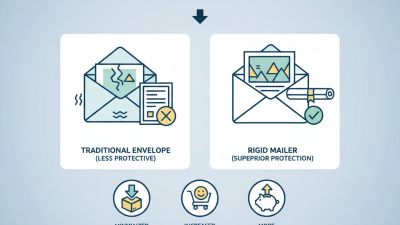
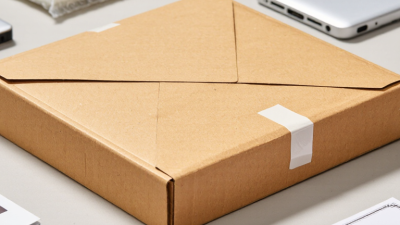
A rigid mailer is a flat shipping envelope made with stiff paperboard or layered cardboard. Unlike a padded mailer, it is designed to resist bending, not absorb heavy impacts. Its firm panels help keep documents and flat products neat during sorting and delivery. That distinction matters.
Common uses include mailing photographs, art prints, certificates, invitations, and thin booklets. A print can slide between protective sheets before it enters the mailer, reducing scuffs and corner wear. For certificates, a close-fitting size helps limit movement inside the package. Too much empty space can still cause trouble.
Small businesses also use rigid mailers for product inserts, stationery, and lightweight samples. Before choosing one, check the item’s dimensions, thickness, and total packed weight. A snug fit is useful, but the mailer should close without forcing the contents against its edges. Not always simple. The board’s stiffness varies, and moisture can soften some materials. Rigid mailers are not waterproof, so a separate inner sleeve may be sensible for items that must stay clean and dry. A good choice depends on what is being sent, how it is packed, and the protection the item actually needs.
China’s rigid mailer manufacturing sector combines paperboard converting, box forming, and finishing within a coordinated production workflow. Buyers usually share the product dimensions, board preference, artwork, and shipping requirements before requesting a sample. A factory may then prepare a cutting die and assemble a prototype to check fit and rigidity. Details matter: a mailer holding a ceramic cup needs different reinforcement from one carrying a flat print. Production commonly includes board cutting, scoring, folding, adhesive application, and inspection. Some suppliers handle printing in-house; others coordinate with separate print facilities, which can affect schedules.
Tips: Ask for a physical sample made with the proposed board and closure. Check corner strength, fold lines, and whether the mailer stays shut after repeated handling. Request written confirmation of dimensions, acceptable color variation, order quantity, and lead time. Small differences can become costly later.
Quality checks may cover board thickness, print alignment, glue coverage, and carton counts. Buyers can ask how defects are recorded and whether inspection results are available before dispatch. Do not assume every factory uses the same standards. It is also worth checking how changes are managed after sample approval. One overlooked issue: a snug fit can still make packing slow. The best specification balances protection, easy assembly, and shipping volume.
| Operational Dimension | Typical Inputs or Requirements | How the Sector Operates | Common Checks or Outputs |
|---|---|---|---|
| Product formats | Rigid paperboard mailers, folding mailers, book-style mailers, and corrugated mailers | Converters select a structure according to the item’s size, protection needs, presentation requirements, and shipping method. | Sample fit, closure function, and resistance to bending or crushing are reviewed. |
| Materials sourcing | Paperboard, corrugated board, liner paper, adhesives, printing inks, and optional cushioning materials | Packaging producers source board and converting materials through domestic and international supply channels, with selection guided by product design and customer specifications. | Material grade, dimensions, surface condition, and supplied documentation are checked against purchase specifications. |
| Design and sampling | Product measurements, artwork files, board choice, closure style, and packing requirements | A structure is laid out for cutting and creasing; a physical or digital sample is commonly reviewed before production approval. | Fit, fold lines, opening experience, artwork placement, and packing compatibility are confirmed. |
| Printing and finishing | Approved artwork, print-ready files, inks, coatings, and any specified surface finish | Depending on the order, printing may be followed by finishing operations such as coating, lamination, or other decorative treatments. | Color consistency, print alignment, scuffing, finish uniformity, and defects are inspected. |
| Converting and assembly | Printed or unprinted board, cutting dies, creasing rules, adhesives, and assembly instructions | Sheets are cut and creased to the approved design, then folded and glued or otherwise assembled as required by the construction. | Cut accuracy, crease quality, glue bonding, dimensional consistency, and closure performance are checked. |
| Quality management | Customer specifications, approved samples, inspection criteria, and production records | Quality checks can take place during material receipt, production, and finished-goods packing; the scope varies by producer and order. | Typical checks include dimensions, appearance, print quality, structural integrity, and order quantity. |
| Customization and order planning | Order quantity, size range, material specification, print requirements, and delivery schedule | Production planning takes account of tooling, material availability, machine setup, finishing steps, and the approved delivery plan. | Buyers typically confirm a quotation, sample approval, specifications, and packing details before manufacture. |
| Packing and logistics | Finished mailers, protective outer packaging, carton labels, and shipping documents | Products are packed to reduce damage and facilitate handling; shipment arrangements depend on destination, order terms, and buyer requirements. | Carton condition, labeling, packing count, and shipping documentation are verified before dispatch. |
| Supplier evaluation | Product samples, written specifications, production capability, quality procedures, and communication records | Buyers can compare suppliers by technical fit, sample quality, order handling, documentation, and ability to meet agreed requirements. | Evaluation should be based on verifiable samples, agreed acceptance criteria, and order-specific evidence rather than general claims. |
When evaluating Chinese rigid mailer suppliers, start with the product specifications, not the catalog photos. Request the board thickness, finished dimensions, wrap material, and acceptable size tolerances in writing. Ask for evidence. A sample should close cleanly, sit flat, and protect its contents without excessive movement.
Inspect the corners and edges under bright light. Look for lifted paper, exposed board, uneven folds, and glue marks. Small details matter. Compare samples from different production runs when possible; one excellent prototype cannot prove consistent output. I still find this easy to overlook. Ask how the supplier checks dimensions and appearance during production, and whether inspection records can be shared.
Discuss order capacity, lead times, packing methods, and how defects are handled before placing a large order. A clear answer is useful; a specific process is better. Confirm that sample materials and construction match the planned production run. If they differ, request an explanation. Communication deserves attention too: delayed replies or vague specifications can create avoidable revisions. No checklist removes every risk, but written standards and repeatable checks make supplier comparisons more grounded.
China’s rigid-mailer manufacturers generally fall into a few useful profiles. Some focus on paperboard converting, cutting sheets and forming sturdy mailers at scale. Others specialize in custom packaging, adding wrapped paper, printed surfaces, or fitted inserts. A third group works across both areas and may coordinate design, sampling, and production under one roof.
Rigid mailers often use layered board, so material thickness and corner construction affect how well they resist bending. Ask for material specifications and a sample.
Suppliers with clear quality checks can explain how they inspect dimensions, adhesive coverage, and surface finish. For export orders, confirm packing details and production timelines in writing.
These are practical indicators, not guarantees.
Compare samples under the same conditions, such as placing a book inside and checking whether the edges stay square during handling. A neat sample can still mislead. It happens. Requesting a production sample may reveal differences in wrapping, fit, or stiffness before a larger order.
No single factory suits every project; the right choice depends on the mailer’s size, weight, finish, and order volume.
Sourcing a rigid mailer in China is not just a price comparison. Ask suppliers for board grade, thickness, finished dimensions, and production tolerances. Request a sample made with the same materials and finish as the intended order. A glossy sample can hide weak corners. Small details matter.
Customization should protect the item without adding needless bulk. Specify the product’s weight, fit, closure style, and any inserts before approving a dieline. Ask how the supplier controls color variation and adhesive placement across production runs. Eurostat reported that 83% of paper and cardboard packaging waste was recycled in the EU in 2022. That figure supports careful material choices, but it does not guarantee that every coated or laminated mailer is recyclable in every local system.
Before shipment, inspect samples from several points in the run, not just the first carton. Check dimensions, edge compression, crease quality, closure strength, and surface scuffing. If mailers will travel through parcel networks, conduct a drop test with the actual packed item. Keep approved samples and inspection records for repeat orders. I still find one check easy to miss: confirm that the packed product does not shift inside the mailer. A supplier’s quality certificate helps, but it cannot replace buyer-side testing.