China Best Shipping Envelopes for Your Global Sourcing Needs?
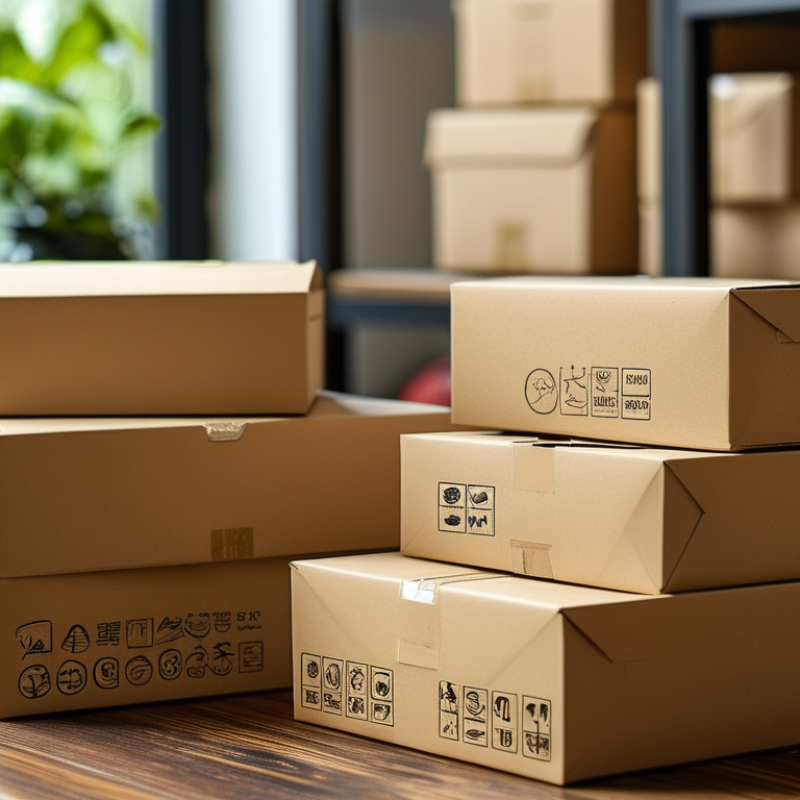
When it comes to global sourcing, choosing the right shipping envelopes is crucial. These envelopes protect your products and ensure they arrive safely at their destination. The right option can save costs and enhance customer satisfaction.
In China, shipping envelopes come in various sizes and materials. Selecting the right type can be challenging. You need to consider durability, size, and weight. Each factor impacts shipping costs and delivery times. The marketplace is saturated with options, making it hard to choose the best fit.
It's also important to evaluate suppliers' credibility. Some companies may promise high quality but fall short. Conducting research and reading reviews can help avoid disappointment. Remember, the choice of shipping envelopes can significantly affect your business's reputation.
China's Leading Shipping Envelope Materials for Global Trade
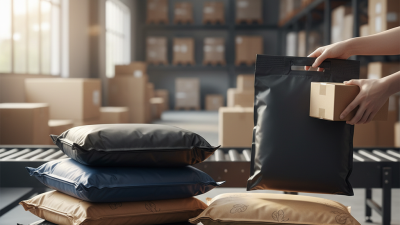
When it comes to global trade, the choice of shipping envelope materials is crucial. China's shipping envelope market is diverse, offering various materials that cater to different needs. According to recent industry analysis, plastic mailers dominate about 65% of the market due to their durability and lightweight properties. These envelopes provide excellent protection against moisture and punctures, making them ideal for international shipping.
However, not all materials are created equal. Paper envelopes, while eco-friendly, constitute only 25% of the market share. They are praised for their sustainability, but they can be less resilient under harsh shipping conditions. The debate over eco-friendliness versus durability is ongoing. Many businesses are still trying to find a balance between protecting their products and minimizing environmental impact.
As e-commerce continues to grow, the demand for effective shipping solutions spikes. A report by the World Trade Organization indicates that global e-commerce sales reached over $4 trillion in 2020. This surge highlights the necessity for reliable shipping envelopes. Companies must weigh their options carefully, considering factors such as cost, performance, and environmental sustainability. This reflection is not merely about choosing materials; it involves a deeper commitment to responsible sourcing and long-term business viability.
Key Features to Consider in Shipping Envelopes for International Shipping
When selecting shipping envelopes for international shipping, focus on several key features. Material strength is crucial. A robust envelope can protect contents from damage during transit. According to a recent industry report, over 25% of products suffer damage in shipping. Using durable materials can help mitigate this risk.
Size and shape also matter significantly. Envelopes must fit the items precisely. If they are too loose, items might shift and get damaged. Conversely, overly tight envelopes can lead to tearing. Experts recommend choosing adjustable or padded envelopes to cater to varying product sizes. This adds another layer of protection without compromising efficiency.
Another important aspect is security. Envelopes should have tamper-evident seals. Studies show that secure packaging can deter theft, which is a concern during global shipping. Items shipped with reinforced seals see a 15% reduction in loss rates. Overall, when various shipping options are considered, the envelope's integrity remains paramount to ensure safe international delivery.
Shipping Envelope Materials Comparison for International Shipping
Comparative Analysis of Shipping Envelope Suppliers in China
When sourcing shipping envelopes from China, analyzing suppliers is crucial. Many companies offer a wide range of products. Comparing their materials, prices, and services can save you time and money. Look for suppliers who use durable materials to ensure your packages arrive intact. High-quality envelopes reduce the risk of damage during transit, which is a primary concern for global shipping.
Tips for evaluating suppliers: Check customer reviews and ratings. Reliable feedback highlights a supplier's strengths and weaknesses. Also, consider their production capabilities. Some suppliers may promise fast delivery but struggle with quantity. Asking for samples before placing bulk orders allows you to assess quality firsthand.
Another point worth considering is the flexibility of suppliers. Can they adapt to custom sizes or specialized designs? It’s essential to find partners who meet your specific needs. Long-term relationships with adaptable suppliers often yield better deals and consistent quality. In this competitive landscape, finding the right supplier can make a significant difference to your business.
Best Practices for Sourcing Shipping Envelopes from China
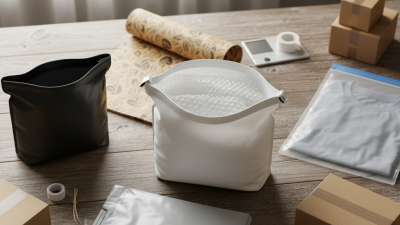
When sourcing shipping envelopes from China, understanding the market is crucial. The country offers a variety of shipping materials. These include padded envelopes, poly mailers, and biodegradable options. Each material serves different purposes. Choosing the right one impacts your shipping efficiency and costs.
Look for suppliers that have a proven track record. Checking references helps ensure quality. Examine reviews on different platforms. Be wary of overly positive feedback; it may not always reflect reality. Communicating directly with manufacturers can provide clarity. Ask questions about production processes and sustainability.
It's essential to consider lead times and minimum order quantities. This affects your inventory management. Flexibility in order sizes can be beneficial. Investigate potential hidden costs, such as shipping fees. Be prepared for unexpected issues that may arise during the sourcing process. This approach minimizes surprises and helps build a reliable supply chain.
China Best Shipping Envelopes for Your Global Sourcing Needs
| Envelope Type |
Material |
Size (inches) |
Weight Capacity (lbs) |
Price Range (USD) |
Best Use |
| Padded Envelope |
Bubble Wrap |
10 x 13 |
3 |
0.50 - 1.00 |
Fragile Items |
| Flat Mailer |
Kraft Paper |
9 x 12 |
2 |
0.30 - 0.70 |
Documents & Photos |
| Poly Mailer |
Polyethylene |
12 x 15.5 |
5 |
0.25 - 0.60 |
Apparels & Non-Fragile Items |
| Document Sleeve |
Plastic |
9.5 x 12.5 |
1 |
0.10 - 0.30 |
Legal Documents |
| Rigid Mailer |
Cardboard |
11.5 x 14.5 |
4 |
0.75 - 1.50 |
Artwork & Photobooks |
Environmental Impact of Shipping Envelopes and Sustainable Options
Shipping envelopes play a crucial role in global sourcing. The choice of materials can significantly impact the environment. Traditional options often rely on plastic, contributing to pollution and waste. On the other hand, sustainable alternatives are available. These options include biodegradable envelopes made from plant-based materials.
Using eco-friendly envelopes reduces carbon footprints. They can break down naturally, unlike their plastic counterparts. However, not all sustainable materials are created equal. Some might still contain harmful additives or may not decompose efficiently. It’s essential to research and understand the environmental impact of your chosen envelope.
Many businesses rush to adopt green packaging without careful consideration. They may believe any eco-friendly option is suitable. But, evaluating the source and manufacturing process is crucial. Transparency in production can help ensure that your choices truly benefit the environment.